
Buying or selling real estate involves more than reviewing photographs, comparing prices, and evaluating location. A building may look attractive during a walkthrough while still having maintenance issues that are difficult to recognize without a closer examination. Real Estate Inspections provide useful information about the visible condition of a property's major components, including roofing, plumbing, electrical systems, interiors, and accessible structural features. Buyers can use inspection findings to understand potential repair needs, while sellers can identify concerns before listing. Having a clearer picture of the property's condition makes it easier to assess its suitability and plan the next steps.
Examine the Building's Exterior
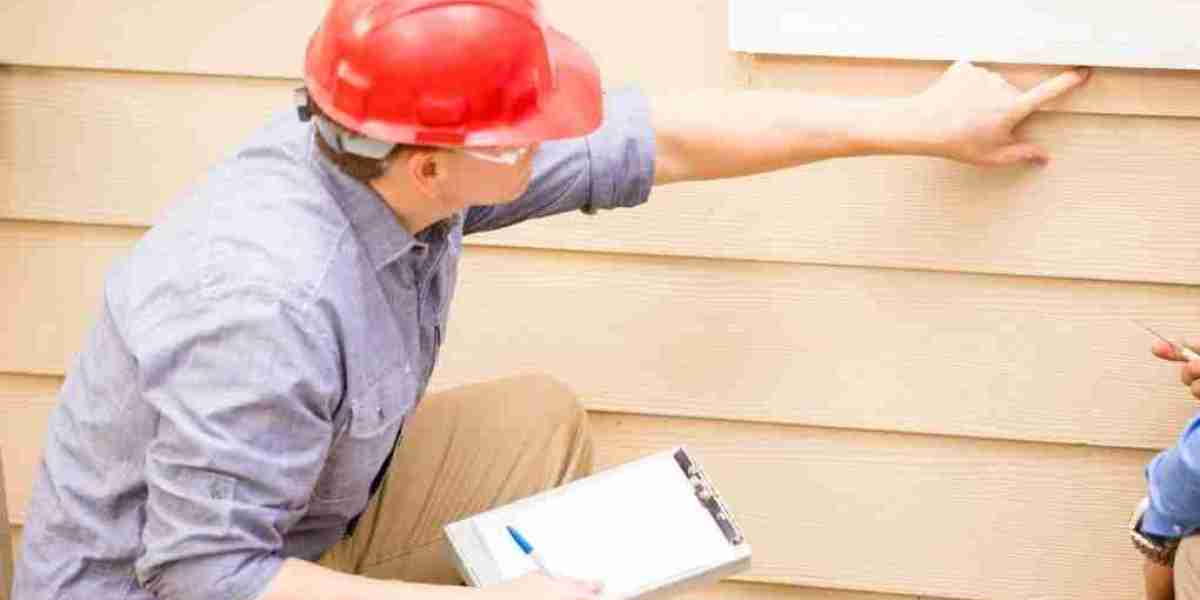
Exterior walls, windows, doors, trim, and other exposed features help protect a property from weather and moisture. During Real Estate Inspections, accessible exterior areas may be reviewed for cracks, deteriorated materials, damaged finishes, and signs of poor maintenance. Walkways, steps, retaining walls, and other visible site features may also deserve attention. The ground surrounding the building is important because inadequate grading can direct water toward the foundation. Identifying visible exterior concerns can help buyers understand which repairs may be necessary and give sellers an opportunity to address maintenance issues before a transaction progresses.
Review the Roof and Drainage System
The roof is a major part of a property's weather protection, and its condition can influence future maintenance expenses. Real Estate Inspections in Baltimore may include a visual assessment of accessible roofing materials, flashing, gutters, downspouts, and visible roof penetrations. Missing shingles, damaged sections, deteriorated flashing, or signs of water intrusion may indicate that additional evaluation is needed. Drainage components should also be checked for visible blockages or damage that could allow water to collect near the building. A general inspection does not replace a specialized roofing assessment, but it can reveal concerns that deserve closer attention before a property purchase.
Check Plumbing and Electrical Features
Plumbing and electrical systems are essential to the everyday use of residential and commercial buildings. During Real Estate Inspections, accessible faucets, toilets, drains, exposed pipes, outlets, switches, electrical panels, and visible wiring may be reviewed for noticeable defects. Leaking fixtures, corrosion, damaged outlets, exposed wiring, and other visible problems can indicate the need for repairs or specialist evaluation. Concealed pipes and wiring cannot always be fully assessed during a general inspection. When significant concerns are discovered, qualified plumbing or electrical specialists can investigate further and provide a clearer understanding of the work required.
Evaluate Heating, Cooling, and Ventilation
Heating, cooling, and ventilation equipment can affect indoor comfort, operating expenses, and future maintenance planning. Real Estate Inspections may include reviewing accessible HVAC equipment, thermostats, vents, ductwork, and related components for visible conditions and general operation. Unusual sounds, restricted airflow, damaged parts, or signs of neglected maintenance may warrant further assessment. Buyers should also consider the available service history and apparent age of major equipment when evaluating a property. Although a general inspection cannot guarantee future performance, its findings can help identify systems that may need servicing, repair, or more detailed testing.
Look for Interior Damage and Moisture
Interior surfaces can provide important clues about how a building has been maintained. During Real Estate Inspections, accessible walls, ceilings, floors, doors, windows, stairs, and other interior features may be reviewed for cracks, stains, uneven surfaces, and visible deterioration. Water marks, damp materials, or damaged finishes can indicate moisture concerns that require further investigation. Bathrooms, kitchens, basements, attics, and areas around windows deserve particular attention because leaks and condensation may affect surrounding materials. Some defects are cosmetic, while others may point to a more extensive problem. Additional testing can be useful when the cause of damage is unclear.
Assess Structural Features and Safety Concerns
A property's foundation, framing, stairs, railings, balconies, decks, and other structural features contribute to its stability and everyday usability. Real Estate Inspections can document visible concerns such as significant cracks, sagging areas, damaged supports, loose railings, or deteriorating steps. These observations do not always establish the cause or severity of a defect, so further assessment may be appropriate when structural movement or safety risks are suspected. Buyers should understand which findings require prompt attention and which may be managed through routine maintenance. Identifying these concerns before finalizing a purchase can support better planning and reduce unexpected repair challenges.
Consider the Needs of Buyers and Sellers
Inspection findings can serve different purposes depending on where a property stands in the transaction process. For buyers, Real Estate Inspections provide information that may help with budgeting, repair planning, and decisions about proceeding with a purchase. Sellers can use an inspection to identify visible defects before marketing the property and prepare for questions about its condition. Property investors may also find inspection information useful when estimating renovation costs or comparing potential purchases. An inspection does not determine a property's market value or guarantee that every defect will be discovered, but it can add practical information to the decision-making process.
Review the Report and Plan Follow-Up Work
A useful inspection report records observed conditions and highlights areas that may require repair, maintenance, or specialist evaluation. After Real Estate Inspections, review the findings carefully instead of focusing only on the number of defects listed. Consider the potential consequences of each issue, the urgency of any repair, and the cost of obtaining additional assessments. Contractors can provide estimates for significant work, while specialists can investigate concerns that fall outside the scope of a general inspection. Keeping these findings organized makes it easier to compare priorities and decide which matters should be addressed before or after a transaction.
Make Property Decisions With Greater Confidence
A property inspection provides a snapshot of accessible conditions at a particular time. Real Estate Inspections cannot predict every future failure or confirm the condition of every concealed component, but they can reveal visible concerns that deserve consideration. Buyers and sellers should interpret the findings alongside the property's age, maintenance history, transaction requirements, and any specialist reports. Existing owners can also use inspection information to organize repairs and plan future upkeep. With careful review and appropriate follow-up, inspection findings can support more informed real estate decisions and a clearer understanding of the responsibilities associated with property ownership.