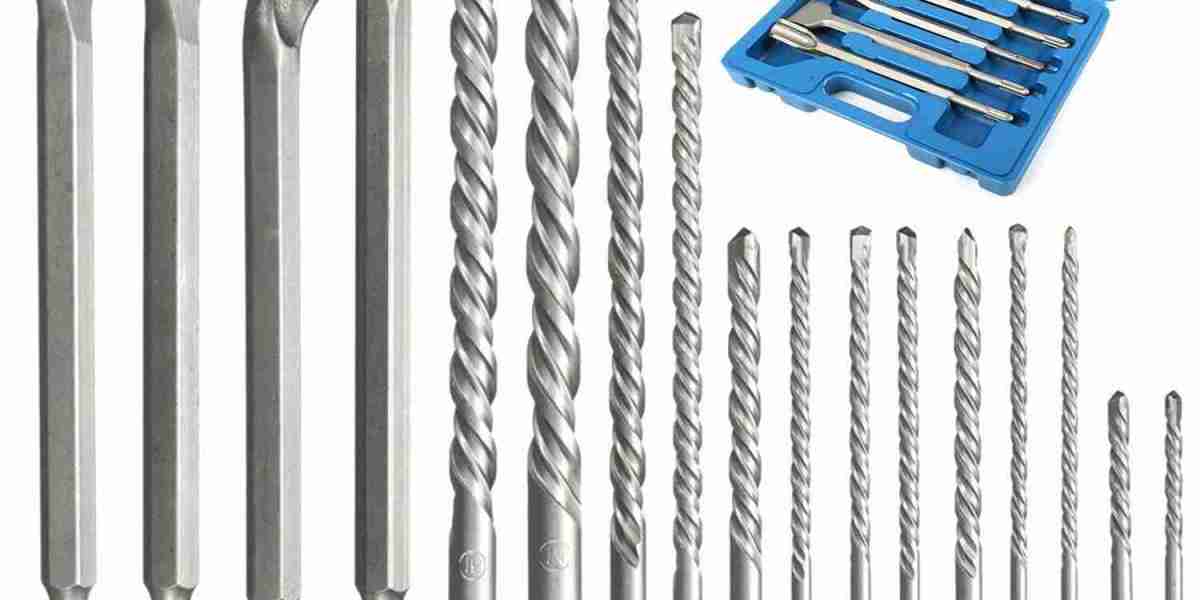

Many workers begin their projects by selecting an SDS Drill Bit that matches their task requirements, and brands such as fangda-tools often appear in conversations among users who want predictable handling and steady control during drilling routines. When the accessory fits the operator's familiar method of handling vibration, alignment, and depth control, the entire workflow feels smoother, allowing attention to remain on accuracy and pace rather than unexpected tool behavior.
In practical construction environments, drilling is rarely limited to a single step. It supports marking, clearing dust, positioning fasteners, and verifying structural alignment. Each of these actions influences the next, creating a chain where consistency matters. When a bit enters material with a stable pattern, users can maintain a calm rhythm that reduces small pauses and adjustments. Over time, this steady approach helps workers conserve energy and manage long sequences of holes without feeling rushed or unsettled.
A key part of this process involves understanding how the bit engages with masonry, concrete, or composite materials. Each surface responds differently to impact force, and predictability becomes essential. When the drill behaves as expected, operators respond with more deliberate movements, placing holes in cleaner, more dependable positions. This measured interaction supports safer work, reduces the chance of wandering, and keeps projects aligned with layout markings.
Maintenance habits also influence the outcome. Workers who keep their storage cases tidy, ensure shank surfaces remain clean, and check accessories before use often experience smoother drilling sessions. These simple routines help avoid unexpected friction, slippage, or interruptions. Over longer work periods, these habits reduce accumulated stress and create a more controlled environment where tools can perform as intended.
SDS drilling also plays a role in planning. When workers understand how the bit reacts across materials, they can more accurately estimate task duration, coordinate steps with teammates, and prepare backup accessories. This clarity supports efficient scheduling and helps prevent bottlenecks during time-sensitive projects. Predictability in drilling patterns can even shape how tasks are grouped, encouraging more organized sequences and reducing unnecessary repositioning.
Another aspect involves the adaptability of drilling techniques. Many tasks—whether installing anchors, forming through-holes, or performing repair work—share similar fundamentals. This familiarity allows workers to refine their skillset instead of learning new methods for every material or fixture layout. The repetition reinforces confidence, helping users maintain steady form, balanced pressure, and consistent follow-through even during extended periods of work.
Across renovation, installation, or structural reinforcement tasks, a stable drilling experience often contributes to a sense of progress. When each hole aligns with planned measurements, the project takes shape in a clear and orderly way. Workers can track advancement visually and mentally, reinforcing motivation and supporting the overall flow of the job.
If a quiet curiosity nudges you to see tools suited for structured, reliable drilling routines, let that hint guide your next step. Follow the subtle path toward https://www.fangda-tools.com/product/ , where one simple click may spark the direction of your upcoming project.