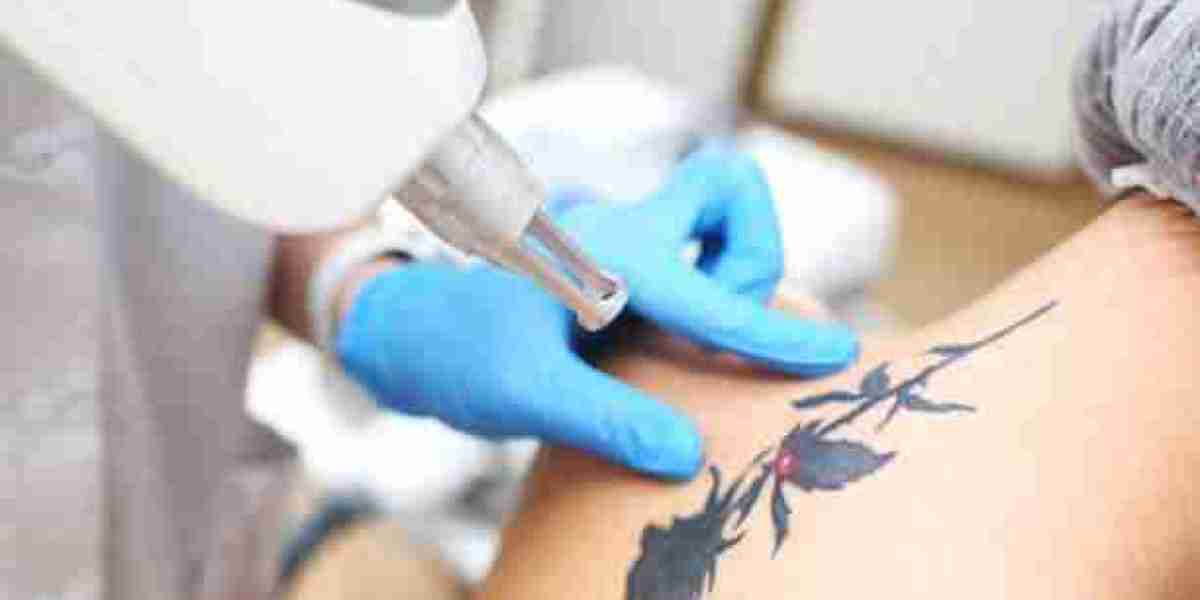

Laser Tattoo Removal in Riyadh has become a popular aesthetic treatment for people looking for a more refined and even-looking skin appearance. Modern laser technology is designed to target tattoo pigments while minimizing unnecessary effects on the surrounding skin, making professional treatment an option worth exploring for suitable candidates.
Understanding how tattoo laser removal works can help Riyadh patients approach treatment with realistic expectations. The procedure uses specialized laser energy to target pigment particles within the skin. The body can then gradually clear the fragmented pigment through its natural processes. Because tattoos differ in color, depth, size, and ink composition, each person's treatment plan can be different.
Understanding Laser Tattoo Removal
How Laser Technology Targets Tattoo Ink
Laser tattoo removal works by delivering controlled pulses of energy into the tattooed area. The energy is absorbed by tattoo pigments, causing them to break into smaller particles. The surrounding skin is carefully considered during treatment so that the laser can focus primarily on the unwanted pigment. Different laser technologies may be selected according to the characteristics of the tattoo and the patient's skin.
Why Tattoo Characteristics Matter
Not every tattoo responds to treatment in exactly the same way. Factors such as ink color, tattoo age, pigment depth, size, location, and the type of ink used can influence the treatment process. Professional assessment is therefore important before beginning a treatment plan. A qualified practitioner can examine the tattoo and determine an appropriate approach based on individual needs.
What Riyadh Patients Can Expect
During the Treatment
Before treatment, the targeted area is typically assessed and prepared. Protective measures are used to safeguard the eyes and surrounding skin when necessary. During the procedure, patients may experience sensations such as warmth, snapping, or mild discomfort as the laser pulses interact with the tattoo pigment. The duration of each session depends largely on the size and characteristics of the tattoo.
After the Procedure
Following treatment, temporary redness, swelling, tenderness, or sensitivity may occur around the treated area. These effects generally settle as the skin recovers. Patients should follow their practitioner's aftercare instructions carefully and avoid unnecessary irritation of the treated skin. Protecting the area from excessive sun exposure is also an important part of responsible post-treatment care.
Factors That Influence Treatment Results
Tattoo Color and Pigment
Tattoo colors can respond differently to laser energy. Some pigments are more responsive to particular wavelengths, while others may require a different approach. Multicolored tattoos can therefore involve a more individualized treatment strategy. A professional assessment helps determine which technology and settings are appropriate.
Skin Type and Tattoo Location
Individual skin characteristics can influence how treatment is planned. The location of a tattoo may also affect how the skin responds and how quickly pigment is naturally cleared. For this reason, treatment should be customized rather than approached as a one-size-fits-all procedure.
Why Professional Assessment Matters
A consultation is an important step before starting laser tattoo removal. During the assessment, the practitioner can evaluate the tattoo, discuss the patient's goals, review relevant skin considerations, and explain what can realistically be achieved. Patients should understand that complete removal is not guaranteed in every case, and several sessions may be needed depending on individual circumstances.
Professional treatment also helps ensure that appropriate laser settings and safety measures are selected. Choosing an experienced aesthetic clinic can provide patients with a structured treatment approach and guidance throughout the process.
Preparing for Your Treatment
Before Your Session
Patients should discuss their medical history, skin concerns, previous tattoo treatments, and any relevant medications with their practitioner. The treatment area should be kept in good condition, and patients should follow any specific preparation instructions provided during their consultation.
Supporting Healthy Skin After Treatment
After each session, following recommended aftercare can support normal skin recovery. Patients should avoid picking, scratching, or unnecessarily rubbing the treated area. Gentle skin care and appropriate protection from sunlight can also help maintain the condition of the surrounding skin while it heals.
Frequently Asked Questions
Is laser tattoo removal suitable for everyone?
Laser tattoo removal may be suitable for many adults, but candidacy depends on factors such as skin type, tattoo characteristics, overall skin condition, and medical history. A professional consultation is recommended to determine whether treatment is appropriate.
How many sessions are needed for tattoo removal?
The number of sessions varies from person to person. Tattoo size, color, pigment depth, location, age, and ink composition can all influence the treatment timeline. An individualized assessment can provide a more realistic expectation.
Does laser tattoo removal completely remove a tattoo?
Some tattoos can be significantly faded or removed, while others may leave traces of pigment. Results depend on the characteristics of the tattoo and the individual's response to treatment. Complete removal cannot be guaranteed in every situation.
What happens after a laser tattoo removal session?
Temporary redness, swelling, tenderness, or sensitivity may occur after treatment. These effects are generally part of the skin's normal response. Following professional aftercare instructions is important during the recovery period.
Can old and new tattoos both be treated?
Both older and newer tattoos may be candidates for laser treatment. However, the age of a tattoo is only one factor considered during assessment. Ink type, color, depth, location, and skin characteristics also play important roles.
Plan Your Consultation in Riyadh
If you are considering tattoo removal and want to understand which approach may be suitable for your skin and tattoo, a professional consultation is an important first step. Enfield Royal Clinic can help you explore your treatment options, understand the process, and develop a personalized approach based on your aesthetic goals.