
A crane that cannot lift is just expensive inventory. On a Manitowoc, the gatekeeper is the Moment Control System, and it does not negotiate. Once it decides a lift is unsafe, motion stops until the numbers come back into range. Understanding that logic is the fastest route to a correct repair.
What follows is a practical overview of how the system decides, what usually goes wrong, and how to source components intelligently. Troubleshooting is easier when you can name the failing unit instead of describing symptoms. Getting the right Manitowoc parts starts with knowing exactly what the system measures. Let us begin there.
How the System Decides
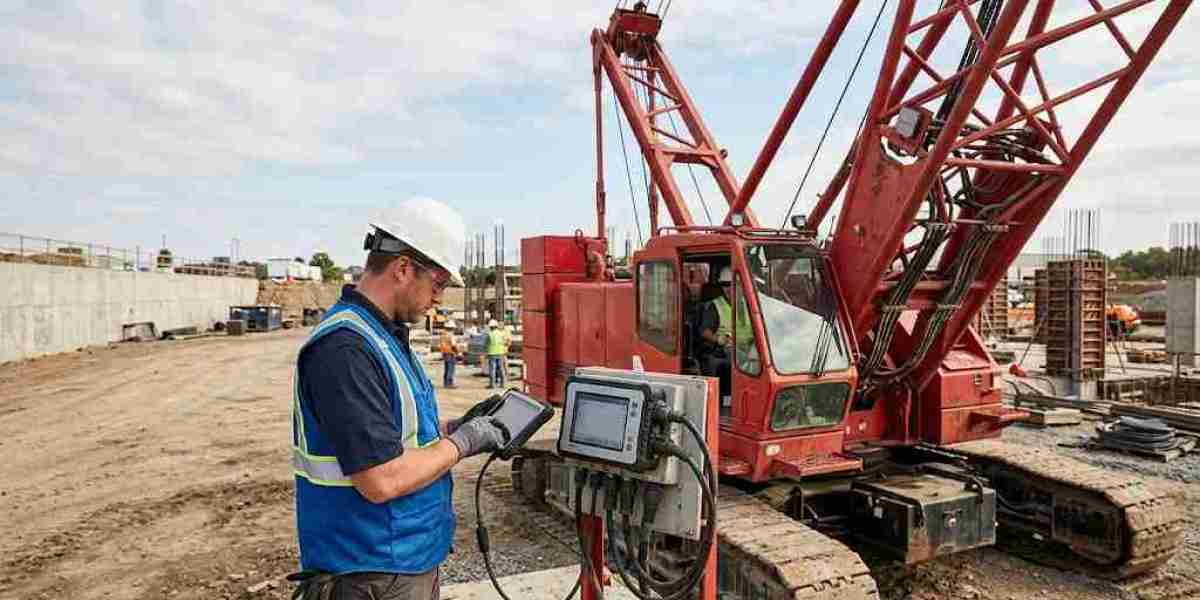
Inside the cab, the Moment Control System is known as the LMI, or Load Moment Indicator. Its reasoning is straightforward. It reads boom length, boom angle, and radius, then compares them to the stored load chart. Anything outside the permitted envelope triggers an immediate cutoff.
That cutoff is not a suggestion. Lifting functions stop until the operator corrects the configuration. It protects the crew, the load, and the structure of the machine itself. Annoying as it feels from the seat, the intervention is working.
The hardware that makes those decisions faces a rough existence. Weather, vibration, dust, and hydraulic shock all take a toll over time. Solid crane parts are built for that exposure, but no component lasts indefinitely. Budgeting for periodic LMI service is simply part of running the fleet.
Which Generation Do You Have
Manitowoc has never used a single LMI design across all model years. Older machines frequently run the EPIC platform. Mid-generation units moved to CRCS, and the newest models use CAN-bus networking. Each of these handles information differently.
On analog systems, every sensor reports over its own dedicated wire. On networked systems, many devices share a single communication line. That split changes the diagnostic approach more than any other variable. A failure symptom that means one thing on EPIC means something else entirely on CAN-bus.
Pull the machine documentation before you start testing anything. A missing node on a network is not the same as a broken conductor. Bringing the correct Manitowoc parts to the job depends on that identification. Guessing here wastes hours and usually produces a return order.
The Four Usual Suspects
Every LMI has a small cast of components that carry most of the failures. Knowing their roles narrows the search quickly. Look at these first when a symptom appears. They account for the majority of service calls.
Length and angle sensors. Positioned at the boom head, these report tip location to the controller. The angle sensor is a pendulum or inclinometer vulnerable to weather and impact. The length sensor is a reel-and-cable mechanism that stretches, frays, and eventually breaks. Bad data from either one invalidates the entire load chart.
Pressure transducers. These estimate load weight by reading hydraulic pressure. They thread into the rod side and the bore side of the hoist cylinders. Moisture, mechanical shock, and ordinary age cause most failures. The giveaway is a load figure that bears no relation to what is on the hook.
The controller. This unit compares live inputs against the stored chart and issues commands. It drives the display and operates the hydraulic cutoff valves. Outright failure is unusual, though water and shorts will end one. Total system silence often leads back to this box.
The display. This is the operator's window into what the system believes. Backlights dim, glass cracks, and buttons stop registering. If the numbers cannot be read, the lift cannot be planned. Treat display trouble as a stop-work issue, not a cosmetic one.
What Failing Looks Like From the Cab
Not every fault announces itself with a code and a lockout. Slow drift and strange numbers often come first. Those early signals are worth more than any diagnostic tool. Catching them saves a full day later.
Watch for readings that change while the machine sits still. Load weight may swing thousands of pounds with the hook parked. Boom angle can wander several degrees without any movement. Both patterns mean the LMI can no longer be trusted.
Begin at the physical layer before suspecting software. Chafed wiring near the boom hinge is a repeat offender in these cases. Corroded contacts inside junction boxes account for many more. Cleaning and repairing connections frequently resolves what looked like a dead sensor, and the necessary crane parts turn out to be simple.
Crew feedback deserves weight. When an operator says something feels wrong, that report usually predates the fault code. Investigate early and investigate physically first. Waiting for a hard lockout converts a small repair into a schedule problem.
Ordering Without Guesswork
Correct identification beats fast ordering every time. A wrong component costs more time than a careful phone call ever will. Collect the numbers before you reach for the receiver. Half an hour of preparation avoids most return shipments.
OEM Versus Aftermarket
Factory components are engineered against the original system specifications. On a safety-critical network, that specification match carries real weight. Qualified aftermarket crane parts can serve well when the supplier understands Manitowoc electronics. A transducer with the wrong signal output produces readings that cannot be used for anything.
Why the Serial Number Rules
Model names do not tell the whole story. Manitowoc revises internal hardware during a production run without changing the model designation. Two cranes from the same year may differ in their LMI configuration. Record the machine serial number and the failed unit's part number before calling anyone.
Firmware and Programming
A modern controller is half hardware and half software. Firmware must match the connected sensors and the correct load chart data. A replacement often needs programming by a dealer before it will function. Never assume a used controller will run as delivered.
When the Part Is Out of Production
Being told a component is obsolete is routine on older machines. It is frustrating, but it does not end the conversation. Several viable routes remain, and fleet size usually decides which fits best. Weigh each one against future serviceability, not just the immediate outage.
Rebuilt or tested used components can restore service quickly. Retrofit kits replace legacy analog sensors with current digital designs. Broader upgrades modernize the full LMI network in a single project.
Digital retrofits usually cost more at the front and less over time. New hardware tends to stay supported much longer than the units it replaces. Some shops hold used Manitowoc parts as a stopgap while an upgrade is scheduled. Confirm every option against your exact serial number before committing.
Installation Discipline
The physical swap is rarely the hard part. Electrical handling is where repairs go wrong. A consistent sequence removes most of that risk. Treat the procedure the same way on every job.
Disconnect battery power. Do this before unplugging anything at all. Live connection work can destroy a fresh controller in one motion. It is the least expensive precaution on the list.
Respect the connectors. Pins are fine, and the signals they carry are small. One bent contact creates an intermittent fault that eats hours. A light coat of dielectric grease keeps moisture out. Seat each plug fully before moving to the next.
Copy the factory routing. A cable pressed against a sharp boom edge will fail within days. Use the ties, guides, and clips specified by the manual. Routing also affects length measurement accuracy.
Calibrate before work resumes. A fresh angle sensor is unproven until checked against known values. Even correct Manitowoc parts require certified test weights and a calibrated boom angle gauge. Skipping this step puts people at risk and defeats the purpose of the system.
Record What You Did
Documentation closes the repair properly. Note the fault, the diagnosis, and the components fitted. Include part numbers, calibration figures, and dates. The next service call moves faster because of that entry.
Keep the record with the machine or in the fleet file, whichever travels better. Digital logs work fine when they are maintained consistently. Add any error codes captured during troubleshooting. Whoever works on the crane next will benefit from the detail.
Closing Thoughts
The Moment Control System exists to make decisions no operator can make by eye. It measures, calculates, and stops motion when the envelope is exceeded. When it fails, patience during diagnosis pays back the lost hour many times over. Identify the fault, install properly, calibrate fully, and verify before the first lift of the day.