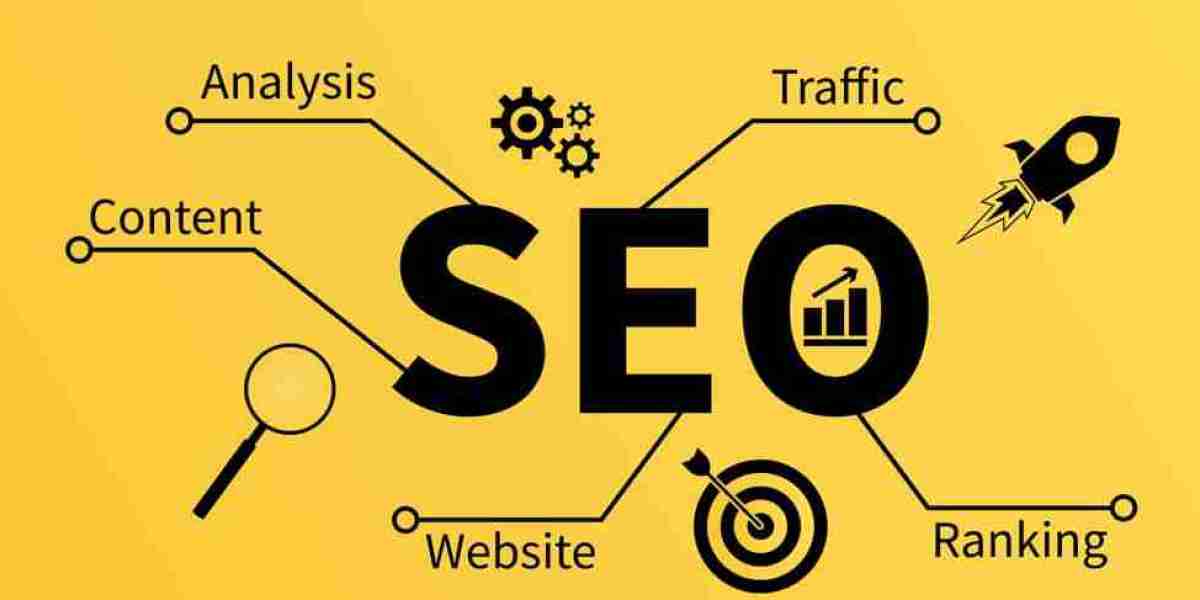

Organic growth does not come from publishing content simply to keep a website active. Businesses need a clear understanding of what their audiences are searching for, why those searches matter, and how useful content can address those needs. Search-focused content provides this foundation by connecting content creation with real search behavior, customer questions, industry topics, and business objectives. Instead of treating every article as an isolated marketing task, businesses can build a connected content ecosystem that gradually expands visibility, authority, traffic, and customer acquisition opportunities.
A strong organic growth foundation is created when content consistently provides value while serving a clear search purpose. The goal is not to chase every available keyword or publish as many pages as possible. It is to develop resources that deserve attention because they answer relevant questions, solve genuine problems, explain important topics, and guide potential customers toward useful next steps. Over time, this approach can turn a website into a stronger destination for both search engines and its target audience.
Search-Focused Content Starts With Audience Research
Understanding the audience is the first step toward building a strong content foundation.
People search for information because they have specific needs. They may be trying to solve a problem, understand a concept, compare different options, research a product, evaluate a service, or prepare to make a purchasing decision. Each of these situations creates different content opportunities.
Businesses can research customer questions, industry discussions, frequently asked questions, competitor content, search behavior, and common objections to understand what their audience actually wants to know. This information provides a more reliable basis for content planning than simply choosing topics based on assumptions.
When content reflects genuine audience needs, it becomes more relevant and useful. This relevance can help businesses attract visitors who are more closely connected to their products, services, and areas of expertise.
Search Intent Gives Content a Clear Direction
Keywords can help identify what people search for, but search intent explains what they expect to find.
A search query may indicate that someone wants a quick answer, a detailed explanation, a comparison, a solution, or a specific product or service. Businesses that understand this intent can create content that matches the user's expectations more effectively.
For example, informational searches may require educational guides, while comparison searches may benefit from detailed evaluations. Users with stronger commercial intent may need service pages, product information, case studies, or consultation resources.
Matching content with intent creates a more useful experience and helps businesses avoid producing pages that attract visitors but fail to answer their actual questions.
Search-Focused Content Expands Organic Visibility
A website with a well-planned content strategy can target a much broader range of relevant searches than a website that relies only on a handful of commercial pages.
Every useful resource creates another opportunity for organic discovery. An educational article can attract someone researching a problem. A detailed guide can introduce a potential customer to the brand. A comparison page can reach someone evaluating solutions.
As these resources accumulate, the website can begin capturing search demand across multiple topics and stages of the customer journey.
This broader visibility provides a stronger foundation for organic growth because the business is not dependent on a small number of pages or keywords.
Topic Clusters Build Topical Depth
Strong organic growth requires depth as well as breadth.
Businesses can build topical depth by organizing content into related groups. A central resource can cover a broad subject while supporting articles address specific questions, challenges, processes, trends, and related concepts.
These pages can be connected through internal links, creating a structured network of information.
Topic clusters help businesses develop comprehensive coverage around subjects that matter to their audiences. Instead of having scattered articles with little relationship to one another, the website develops a clearer structure around important areas of expertise.
This creates a stronger foundation for expanding organic visibility over time.
Useful Content Strengthens Website Authority
Authority is built through consistent demonstration of knowledge and usefulness.
Businesses can strengthen their content by providing accurate explanations, practical examples, relevant insights, clear processes, and information that helps readers make better decisions. Content should provide something genuinely useful rather than simply repeating basic information found across numerous websites.
When a website consistently publishes valuable resources around related subjects, visitors have more opportunities to recognize its expertise.
A strong content library can also support broader search performance by establishing the website as a comprehensive resource within its industry.
Internal Linking Creates a Connected Content Ecosystem
Individual content pages become more valuable when they are connected strategically.
Internal linking allows businesses to guide readers toward related resources that can help them continue their research. A visitor reading a beginner's guide may discover an advanced article. Someone exploring a specific problem may find a detailed solution page. A user researching solutions may eventually reach a relevant service or product page.
These connections improve navigation and help visitors discover more useful information.
Internal links also help search engines understand the relationships between pages and the broader structure of the website. As the content library expands, strategic linking can help ensure that new and existing resources support one another.
Evergreen Resources Create Long-Term Stability
A strong organic foundation should include content that remains valuable beyond short-term trends.
Evergreen resources address topics that people are likely to continue searching for over time. These may include educational guides, frequently asked questions, foundational explanations, tutorials, and practical resources.
Because the underlying questions remain relevant, these pages can continue attracting visitors long after publication.
Businesses should still review evergreen content regularly. Updating outdated information, improving clarity, adding relevant examples, and strengthening internal links can help preserve the usefulness of these resources.
This creates a collection of durable content assets capable of supporting organic visibility over extended periods.
Search Content Supports the Customer Journey
Organic growth is not only about attracting visitors. Businesses also need to help those visitors move toward meaningful interactions.
Search-focused content can support different stages of the customer journey. Early-stage content can introduce a problem or explain a concept. Mid-stage resources can help users compare approaches or evaluate solutions. Later-stage content can provide detailed information about products, services, pricing considerations, or next steps.
This creates a natural progression from discovery to consideration.
When businesses plan content around the complete customer journey, they can remain visible to potential customers even when those customers are not yet ready to make a purchase.
Content Can Create Qualified Traffic
More traffic does not automatically mean more business.
A strong organic growth foundation focuses on attracting relevant visitors whose interests align with the company's expertise and offerings. Search-focused content helps achieve this by targeting topics connected to customer needs rather than pursuing traffic purely for volume.
A highly relevant article may attract fewer visitors than a broad trending topic but generate greater business value because its audience has a stronger connection to the company's products or services.
This makes content relevance an important part of sustainable organic growth.
Search-Focused Content Supports Lead Generation
Content can become a direct contributor to lead generation when it provides relevant pathways toward conversion.
Businesses can include appropriate calls to action within their resources. Depending on the user's intent, this might involve exploring a service, downloading a guide, signing up for updates, requesting information, or contacting the business.
The most effective approach is to match the conversion opportunity with the content's purpose.
An educational article may focus on encouraging further research, while a commercial resource may provide a stronger invitation to contact the company. This creates a smoother transition between organic discovery and customer engagement.
Content Updates Protect Organic Value
Building a strong content foundation does not end when an article is published.
Search results evolve, competitors publish new resources, industries change, and users develop new questions. Businesses should regularly evaluate important content to determine whether it still provides the best possible experience.
Updates can include adding new information, improving explanations, removing outdated details, strengthening internal links, expanding sections, and addressing new search questions.
Refreshing existing content allows businesses to protect the value of previous investments while continuing to improve their organic presence.
Performance Data Improves Content Planning
Search-focused content strategies should evolve based on measurable results.
Businesses can monitor organic impressions, clicks, engagement, conversions, rankings, leads, and other relevant indicators to understand how content contributes to growth.
Performance data can identify successful topics that deserve additional coverage. It can also reveal pages that receive visibility but fail to generate meaningful engagement.
These insights allow businesses to make more informed decisions about what to create, update, expand, or consolidate.
Over time, data-driven planning helps transform content strategy from a publishing schedule into a continuous optimization process.
Consistency Strengthens the Organic Foundation
Organic growth requires patience and consistency.
Businesses that regularly create useful content, expand topic coverage, improve existing pages, and analyze performance can gradually build a stronger search presence.
Consistency does not mean publishing large quantities of content without a clear purpose. It means maintaining a strategic commitment to creating and improving resources that serve both users and business objectives.
Each useful page can contribute another layer to the website's organic foundation. As these layers accumulate, the overall content ecosystem becomes more comprehensive and valuable.
Search-Focused Content Creates Compounding Value
One of the greatest benefits of a strong organic content foundation is the potential for compounding value.
A new article can attract visitors while also strengthening internal links to existing resources. An established page can introduce visitors to newer content. A comprehensive topic cluster can support several related searches at the same time.
This interconnected structure means that individual content assets do not have to work independently.
As the website becomes larger, more organized, and more authoritative, its ability to capture relevant search demand can expand. This creates a long-term growth system rather than a collection of disconnected marketing activities.
Conclusion
Search-focused content builds a stronger organic growth foundation by connecting audience needs, search intent, valuable information, topical depth, internal linking, and business objectives. Instead of publishing content simply to increase website activity, businesses can create resources that provide lasting value and support different stages of the customer journey.
Through topic clusters, evergreen content, strategic internal linking, regular updates, performance analysis, and consistent publishing, businesses can develop an organic presence that becomes stronger over time. Each useful resource creates another opportunity for discovery while contributing to the broader authority and usefulness of the website.
When content is built around what audiences genuinely search for and need, organic growth becomes more structured and sustainable. The result is a website that can attract relevant traffic, establish trust, support lead generation, and create a stronger foundation for long-term business growth.
Read More Read More Read More Read More Read More Read More Read More
Read More Read More Read More Read More Read More Read More Read More
Read More Read More Read More Read More Read More Read More Read More
Read More Read More Read More Read More Read More Read More Read More
Read More Read More Read More Read More Read More Read More Read More
Read More Read More Read More Read More Read More Read More Read More
Read More Read More Read More Read More Read More Read More Read More
Read More Read More Read More Read More Read More Read More Read More
Read More Read More Read More Read More Read More Read More Read More