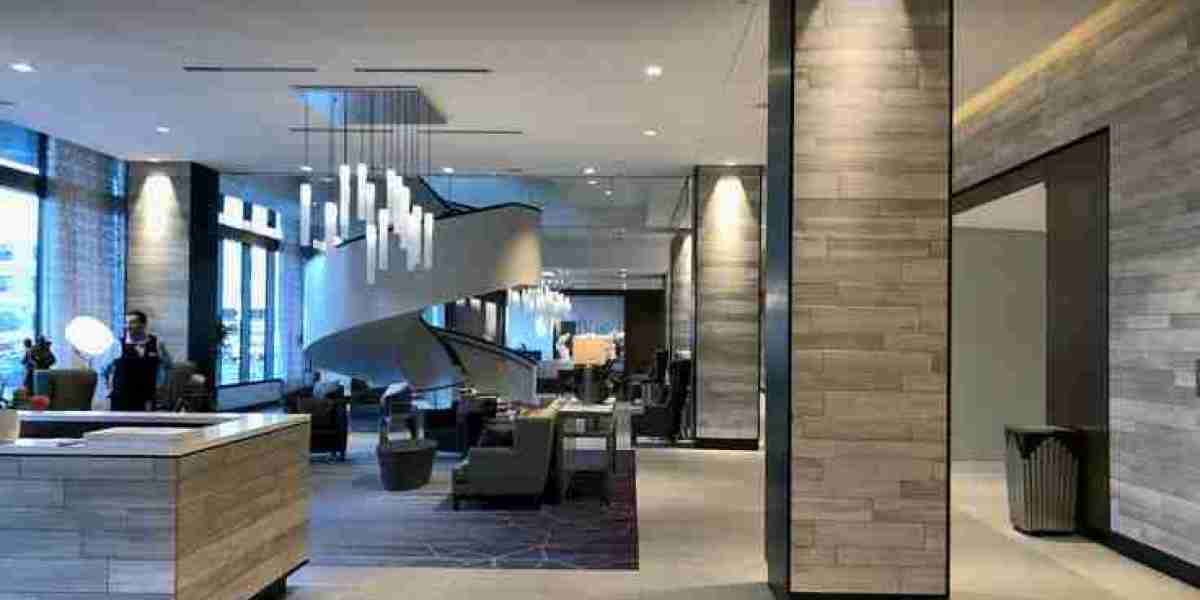

Interior spaces often need more than basic furniture and standard finishes to achieve a specific look and function. Architectural Millwork can introduce carefully designed wood components that complement the structure, layout, and purpose of a room. Wall panels, reception desks, built-in cabinets, doors, counters, shelving, trim, and other features can be designed around the dimensions of the space. When these elements are planned together, they can create a consistent interior while making better use of available areas. Detailed millwork can also bring practical storage and organization into spaces where standard products may not fit properly.
Design Millwork Around the Space
Every building has different dimensions, architectural details, and functional requirements. Standard products may leave awkward gaps or fail to provide the exact arrangement needed for a particular room. Architectural Millwork allows individual components to be planned around existing walls, ceilings, openings, and other features. Measurements should be taken carefully before production begins so that finished pieces fit their intended locations. Design considerations can include proportions, materials, hardware, finishes, and how people will interact with the completed installation. Careful planning helps create millwork that feels connected to the architecture rather than appearing as an unrelated addition.
Create Functional Built-In Storage
Storage is one of the most useful applications of detailed interior millwork. Cabinets, shelving units, wardrobes, bookcases, and other built-ins can provide organized places for everyday belongings while using available wall space effectively. Architectural Millwork in Ellisville can incorporate storage into living areas, offices, libraries, reception spaces, retail environments, and other interiors. Shelves and cabinets can be arranged according to the size and type of items they need to hold. Doors, drawers, open shelving, and concealed storage can also be combined to create a practical arrangement. Thoughtful storage design can reduce clutter while maintaining the intended appearance of the room.
Enhance Commercial Interiors
Businesses often need interiors that support both daily operations and a consistent visual identity. Reception desks, wall features, counters, display units, conference room elements, and office cabinetry can all be incorporated into a commercial environment. Architectural Millwork can help coordinate these components so that different parts of a workplace share compatible materials, finishes, and proportions. Commercial millwork can also be designed around practical requirements such as equipment placement, cable management, storage, and employee workflow. A well-planned interior can provide useful working features while contributing to the overall character of the business space.
Add Detail to Residential Spaces
Homes can also benefit from custom woodwork that is designed around individual rooms and household needs. Kitchens, libraries, home offices, entertainment areas, bedrooms, and entryways can incorporate built-in features that make the property more organized. Architectural Millwork can include custom cabinetry, wall paneling, fireplace surrounds, shelving, trim, doors, and other elements that suit the home's layout. Residential designs can be adjusted to match existing finishes or introduce a new interior style. Combining decorative details with practical functions can make a room more useful without relying entirely on freestanding furniture.
Select Materials and Finishes Carefully
The appearance and performance of millwork depend heavily on the materials and finishes selected for the project. Wood species, veneers, laminates, paints, stains, hardware, and surface treatments can create very different results. Architectural Millwork should be planned around the environment where the finished components will be installed. High-use commercial areas may require materials that can withstand frequent contact, while residential applications may place greater emphasis on specific colors, textures, or decorative details. Material selection should also account for cleaning requirements, moisture exposure, durability, and compatibility with surrounding surfaces.
Coordinate With Other Building Features
Millwork rarely exists separately from the rest of an interior. Electrical outlets, lighting, flooring, doors, windows, HVAC components, plumbing, and architectural structures may all affect where cabinets, panels, counters, and other elements can be installed. Architectural Millwork should be coordinated with these features before fabrication to reduce conflicts during installation. Accurate drawings and measurements can help identify potential obstacles in advance. Coordination is especially important for commercial projects where multiple trades may be working within the same space. Planning these relationships early can support a cleaner and more organized installation.
Use Millwork to Improve Work Areas
Workspaces need storage, surfaces, organization, and convenient access to equipment. Custom desks, counters, cabinets, shelving, and integrated workstations can be designed around how employees actually use the room. Architectural Millwork can incorporate features such as cable openings, filing storage, display areas, and equipment compartments into the design. This can reduce the need for separate furniture and make better use of limited floor space. A carefully arranged workstation can support daily activities while maintaining a more consistent appearance throughout the office or commercial environment.
Plan Installation Before Fabrication
Successful millwork depends on accurate information before materials are cut and finished. Site measurements, drawings, material specifications, hardware selections, and installation conditions should be reviewed before production begins. Architectural Millwork often involves components that must fit precisely into existing spaces, so even small measurement differences can create problems. Access to the installation area should also be considered, particularly for large cabinets, panels, counters, or built-in structures. Preparing the site and confirming project details in advance can make the installation process more organized and reduce avoidable adjustments.
Create Interiors That Last
Well-planned millwork can become an important part of a property's interior for many years. Its value comes from combining appearance, organization, and practical use within the available space. Architectural Millwork can provide custom features that support the way a home, office, retail space, hospitality property, or other building is used. Regular cleaning and appropriate care can help preserve finished surfaces, hardware, and wood components over time. With accurate planning, suitable materials, coordinated design, and careful installation, architectural millwork can contribute lasting character and functionality to an interior.