
A comfortable home needs reliable heating and cooling throughout the year. During summer, indoor temperatures can become uncomfortable, while colder months can make living spaces difficult to keep warm. A reverse cycle split system provides a practical solution by combining heating and cooling functions within one efficient air conditioning system. Instead of installing separate systems for different seasons, homeowners can use one system to manage indoor temperatures throughout the year. Understanding how a reverse cycle split system works can help homeowners make informed decisions about improving comfort, energy efficiency and indoor climate control.
What Is a Reverse Cycle Split System?
A reverse cycle split system is an air conditioning system designed to provide both cooling and heating. The system generally consists of an indoor unit and an outdoor unit connected by refrigerant pipes and electrical connections. The indoor unit distributes conditioned air throughout the room, while the outdoor unit manages the heat exchange process required to heat or cool the indoor environment.
The key feature of a reverse cycle split system is its ability to change the direction of refrigerant flow. In cooling mode, the system removes heat from inside the home and transfers it outdoors. In heating mode, the process is reversed, allowing the system to extract available heat from outdoor air and transfer it indoors. This reversible operation allows the same system to provide comfort during both hot and cold weather.
How Reverse Cycle Split Systems Cool Your Home
When temperatures rise, a reverse cycle split system operates in cooling mode to reduce indoor heat. The indoor unit draws warm air from the room and passes it over a cold indoor coil. Refrigerant circulating through the system absorbs heat from the indoor air, reducing its temperature before the cooled air is returned to the room.
The absorbed heat is then transferred through the refrigerant to the outdoor unit. The outdoor unit releases this heat into the outside environment. The refrigerant continues circulating through the system, allowing the process to repeat until the desired indoor temperature is reached.
Modern systems can automatically regulate their operation based on the temperature selected on the remote control or thermostat. Once the room reaches the desired temperature, the system can adjust its output rather than continuously operating at maximum capacity. This can contribute to more consistent comfort and potentially reduce unnecessary energy consumption.
How Reverse Cycle Split Systems Provide Heating
Heating mode works differently from traditional electric resistance heating. Instead of simply generating heat, a reverse cycle split system transfers heat from outdoor air into the home. Even when outdoor temperatures feel cold, there is still thermal energy available in the surrounding air.
When heating is selected, the system reverses the direction of refrigerant flow. The outdoor unit absorbs heat from the outside air, and the refrigerant carries that thermal energy toward the indoor unit. The indoor coil then releases the heat into the room, raising the indoor temperature.
This process allows a reverse cycle split system to provide heating without relying solely on conventional heating elements. The amount of heat the system can extract depends on factors such as outdoor temperature, system capacity, equipment efficiency and installation quality. Modern systems are designed to operate across a range of outdoor conditions, making them suitable for many residential environments.
The Role of Refrigerant in the Heating and Cooling Process
Refrigerant is an important component of a reverse cycle split system because it transfers thermal energy between the indoor and outdoor environments. Rather than simply creating hot or cold air, the system uses refrigerant to move heat from one location to another.
During cooling, refrigerant absorbs heat from indoor air and releases it outdoors. During heating, the refrigerant flow is reversed so that heat can be collected from outdoor air and released inside. A component called a reversing valve enables the system to switch between these two operating modes.
This process is one reason reverse cycle technology can provide both heating and cooling from the same equipment. The system essentially changes the direction in which heat is transferred depending on whether the home needs to be warmer or cooler.
Why One System Can Provide Year-Round Comfort
One of the main advantages of a reverse cycle split system is its versatility. A homeowner does not necessarily need one appliance for summer cooling and another for winter heating. The same system can be adjusted according to seasonal requirements.
During warm weather, the system removes excess heat from indoor spaces. During cooler weather, it transfers heat from outside into the home. This makes the system suitable for households that experience significant temperature changes throughout the year.
Year-round operation can also simplify temperature management. Instead of switching between unrelated heating and cooling appliances, homeowners can use the same controls and equipment for both functions. Depending on the home and system selected, this can also help reduce the amount of equipment required within the property.
Understanding Energy Efficiency
Energy efficiency is an important consideration when selecting heating and cooling equipment. A reverse cycle split system transfers heat rather than relying entirely on direct electrical heating, which can make it an efficient way to provide both heating and cooling when properly selected and operated.
Efficiency can vary considerably between models. Factors such as the system's energy rating, capacity, operating conditions, room size and installation quality all influence performance. Choosing a system that is appropriately sized for the space is particularly important. An undersized system may need to operate for extended periods to achieve the desired temperature, while an oversized system may cycle on and off more frequently than necessary.
Homeowners should consider the specific characteristics of their property when selecting equipment. Room dimensions, ceiling height, insulation, windows, sunlight exposure and the number of occupants can all affect heating and cooling requirements.
The Importance of Correct System Sizing
Selecting the correct capacity is essential for effective performance. A system needs enough capacity to handle the heating and cooling requirements of the space without being unnecessarily large.
A professional assessment can help determine the appropriate capacity based on the characteristics of the room and property. A well-sized reverse cycle split system can provide more consistent temperature control while avoiding unnecessary energy use.
System sizing should also account for the purpose of the room. A small bedroom may have different requirements from a large open-plan living area. Similarly, a room with large windows or significant exposure to direct sunlight may require more cooling capacity than a shaded room of the same size.
How Installation Affects Performance
Even a high-quality reverse cycle split system may not perform as expected if it is installed incorrectly. The location of both indoor and outdoor units can affect airflow, efficiency and overall performance.
The indoor unit should generally be positioned where it can distribute conditioned air effectively throughout the room. Obstructions around the unit can restrict airflow and reduce its ability to circulate air evenly. The outdoor unit also needs sufficient airflow and appropriate clearance around it to support effective heat exchange.
Professional installation also helps ensure that refrigerant lines, electrical connections and drainage are correctly installed. Proper installation can support reliable operation and help reduce the risk of avoidable performance problems.
Maintaining a Reverse Cycle Split System
Regular maintenance can help a reverse cycle split system continue operating efficiently. Dust and debris can accumulate in filters and other components over time. Dirty filters can restrict airflow, making the system work harder to achieve the selected temperature.
Cleaning or replacing filters according to the manufacturer's recommendations can help maintain airflow and indoor air quality. Outdoor units should also be kept clear of excessive leaves, dirt and other obstructions.
Professional servicing may also be useful for checking components that homeowners cannot easily inspect. Refrigerant levels, electrical connections, coils and other parts can affect system performance. Addressing potential issues early may help prevent more significant problems and maintain reliable heating and cooling.
Improving Comfort With Temperature Control
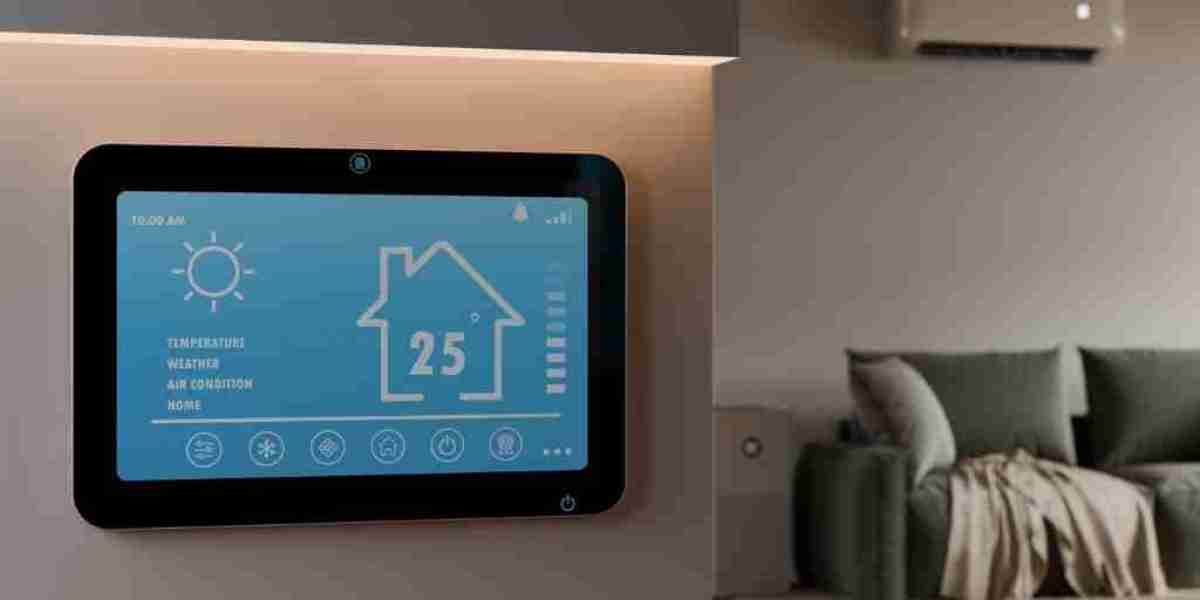
Modern systems often provide convenient temperature controls that allow homeowners to adjust settings according to their preferences. Many models include features such as timers, different fan speeds, sleep modes and automatic temperature control.
Using the system appropriately can contribute to better comfort and energy management. Instead of selecting an extremely low temperature during summer or an excessively high temperature during winter, homeowners can choose a moderate setting that provides comfortable conditions without placing unnecessary demand on the system.
Some systems can also adjust output automatically as indoor conditions change. This allows the system to respond to changing temperature requirements rather than operating at maximum capacity continuously.
Reverse Cycle Split Systems and Different Room Requirements
A reverse cycle split system can be particularly useful when homeowners want to control the temperature of individual rooms. Unlike some whole-home systems, split systems can provide targeted heating or cooling to specific areas.
For example, a homeowner may want to cool a living room during the day and heat a bedroom during the evening. Depending on the system configuration, individual rooms can be managed according to their occupancy and comfort requirements.
This type of targeted temperature control can be useful for households where different areas of the property are used at different times. It can also help avoid conditioning unused spaces unnecessarily.
Reducing Unnecessary Energy Use
Efficient operation involves more than choosing an efficient appliance. Homeowners can also consider how their property retains and loses heat. Good insulation, appropriate window coverings, effective sealing and suitable ventilation can all influence heating and cooling requirements.
When a home is well insulated, conditioned air can remain indoors for longer. This can reduce the amount of work required from the reverse cycle split system to maintain a comfortable temperature.
Using timers and temperature settings appropriately can also help prevent unnecessary operation. Regular maintenance is another important part of efficient operation because restricted airflow or dirty components can affect performance.
Choosing the Right Reverse Cycle Split System
When selecting a system, homeowners should consider more than the purchase price. Capacity, energy efficiency, room size, operating noise, features, warranty and installation requirements can all influence the suitability of a particular model.
The climate in the area should also be considered. A system needs to perform effectively under the local weather conditions, particularly if it will be used regularly for both heating and cooling.
Homeowners should also consider how frequently the system will be used. A system for occasional bedroom use may have different requirements from one intended to provide daily comfort in a large living area.
Professional advice can help homeowners understand the differences between available systems and select equipment that matches the property's requirements.
Long-Term Benefits of Reverse Cycle Technology
The ability to heat and cool with one system makes reverse cycle technology a flexible option for residential properties. Instead of relying on separate appliances for seasonal temperature control, homeowners can use one integrated system throughout the year.
A properly selected and maintained reverse cycle split system can support comfortable indoor temperatures while providing convenient control over heating and cooling. Its heat-transfer operation can also provide an efficient approach to temperature management when compared with some conventional heating methods.
Long-term performance will depend on factors including equipment quality, correct sizing, installation, maintenance and operating habits. Homeowners who consider all these factors can make better use of the technology and potentially improve the overall comfort of their property.
Conclusion
A reverse cycle split system works by transferring heat between the inside and outside of a home. In cooling mode, it removes heat from indoor air and releases it outdoors. In heating mode, it reverses the refrigerant flow and transfers available heat from outdoor air into the home. This reversible process allows one system to provide both heating and cooling throughout the year.
Choosing the right capacity, arranging professional installation and maintaining the equipment can all contribute to reliable performance. Homeowners can also improve results by combining efficient air conditioning with good insulation, suitable temperature settings and sensible energy-use habits.
For households looking for a flexible approach to year-round indoor comfort, a reverse cycle split system can provide both heating and cooling from a single solution. Understanding how the technology operates makes it easier to select, use and maintain a system that suits the needs of the home.