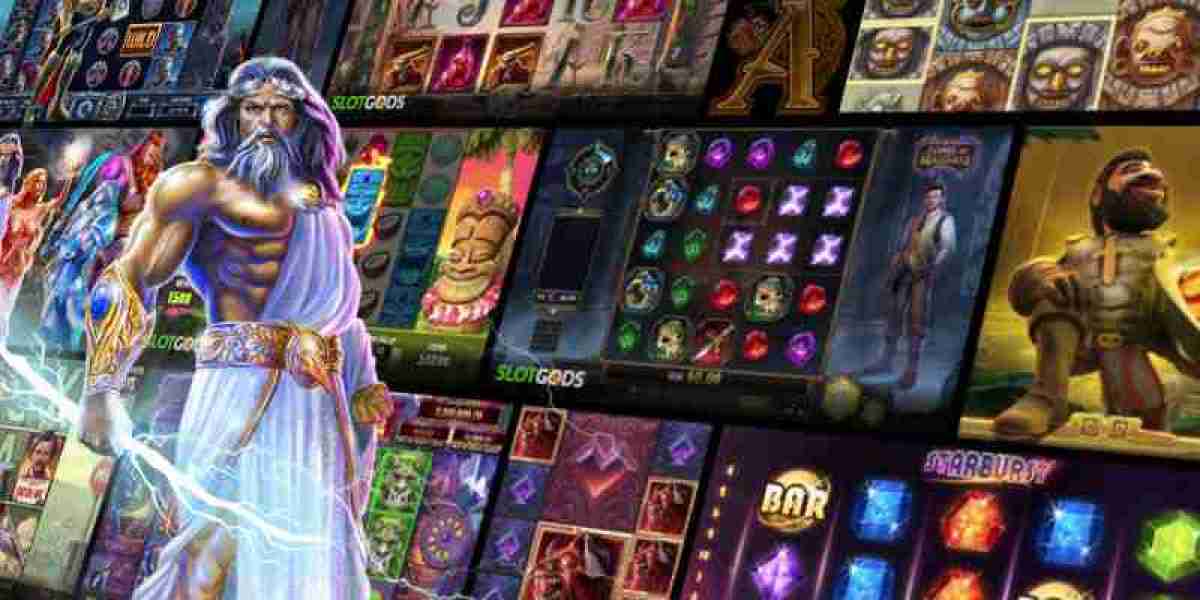

When a game keeps pulling you back, it usually isn’t luck. Small design choices shape player engagement long before a big bonus or flashy theme gets involved, and Trybet is a useful reference point for how those choices work in practice.
What keeps sessions moving
People usually stay for the rhythm. Not for one giant feature. The loop has to keep handing you reasons to continue, without slipping into sameness, and that’s where short feedback matters, a spin, a result, a near miss, a progress bar, all of it telling your brain something just happened.
Pacing does a lot of work. Slow games can still land if they build tension properly, but most modern titles keep things tight so there’s no dead stretch. Menus open fast. Animations wrap quickly. Bonus rounds arrive before your attention wanders. Sound helps too, because a sharp cue tells you, plain as day, that a hit or feature deserves a glance.
The better systems dodge flat play. Repetition gets stale. So developers keep adding small twists, like symbols that trigger extra effects, daily missions, or round-by-round goals that make a session feel a bit different from the last one. You don’t need a brand-new game every minute. You do need enough variation that your mind doesn’t switch to autopilot.
A few simple tools do more than they look like they should.
- Progress bars give you a visible reason to keep going, because they turn loose time into a target.
- Level-based rewards work when they arrive at sensible intervals, since the next step stays in view.
- Bonus rounds with different mechanics break the pattern before the main loop goes dull.
- Short missions or challenges add direction, especially if you like a goal instead of open-ended spinning.
- Clear visual changes, even tiny ones, help each win or feature stand apart from the last.
Reward design and choice architecture
Good reward design is not just about bigger prizes. Timing often matters more than size. If rewards come too rarely, the session feels dry. If they show up too often, they lose bite. Developers usually balance that by mixing smaller returns with occasional standout moments, which keeps attention moving without turning every result into noise.
Choice keeps people involved too. Modern games often let you pick stake levels, feature paths, autoplay settings, or bonus entry options, and those choices make the experience feel more personal. Even simple control over volatility can change the feel of a session. Some players want frequent small hits. Others prefer long gaps with the chance of a larger outcome. Matching those preferences to the game structure is one of the clearest ways to hold attention.
Social features can add another layer, but only if they stay light. Leaderboards, shared challenges, and live events create a sense of movement outside your own session. Used badly, they feel pushy. Used well, they give context. You’re not just spinning alone, you’re part of a time-bound event, and that framing can make a familiar game feel fresh again.
Interface design matters too. Clean screens cut friction, and friction kills momentum. If a player has to hunt for rules, balance info, or the next action, the session starts to break apart. Fast access to game info, readable pay tables, and obvious controls all support steady attention because the player spends time playing, not fumbling around.
Responsible play stays part of the picture
Keeping sessions interesting should never mean ignoring limits. Responsible play starts with a simple idea, gambling is entertainment, not income. If you treat it like a way to make money, every streak feels heavier than it should, and the whole thing gets harder to manage.
Set boundaries before you start. A deposit limit, a loss cap, or a time reminder can keep a session from running longer than planned. If you notice chasing losses, playing longer after frustration, hiding activity, or spending more than feels comfortable, take it seriously. Breaks help. So does self-exclusion when limits no longer do enough.
Age rules vary by market, so only play where you meet the legal age requirement in your location, often 18+ or 21+. If gambling is causing stress, support is available through recognised help services and local support organisations.
Why Trybet Casino fits a modern play style
The platform suits players who prefer structure over clutter. The appeal is not loud branding or empty promises, it’s the way a well-built platform keeps attention by making each step feel clear, quick, and purposeful. If you like games that respect your time, that matters.
For players who value variety, the platform’s style works especially well because it supports different moods without forcing the same kind of session every time. Some days you want a brief, low-pressure visit. Other days you want a longer stretch with more moving parts. A good modern site should handle both cleanly, and the site is built with that kind of flexibility in mind.