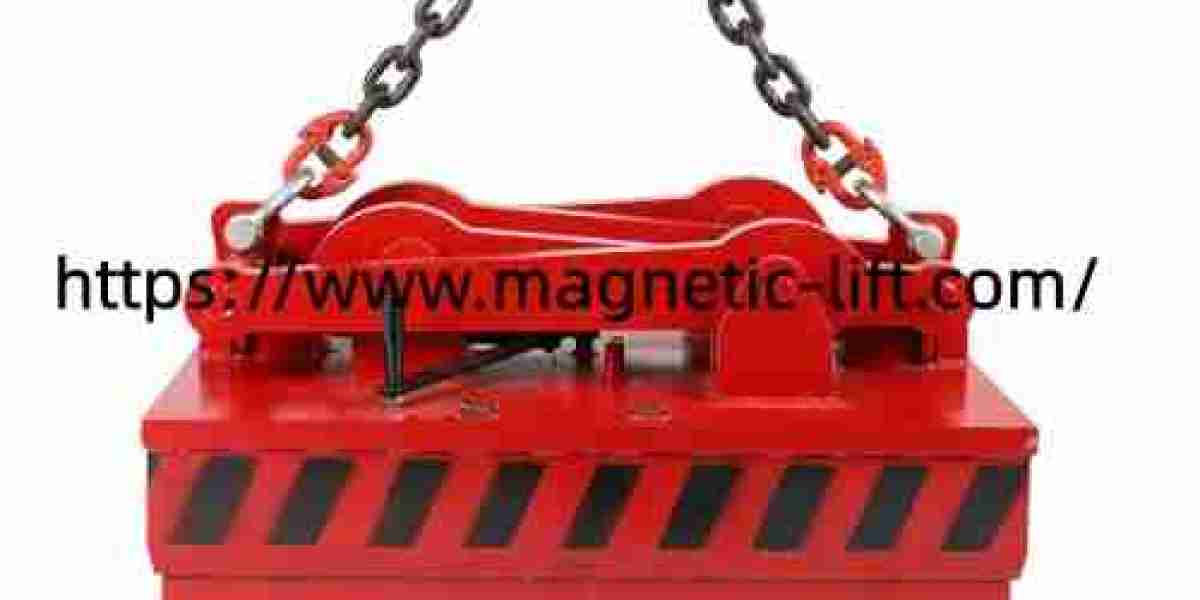

Permanent Magnet Lifting Device selection should begin with the actual application rather than a single number on a product specification sheet. Buyers need to consider the weight, thickness, shape, surface condition, and dimensions of the material they plan to handle. The working environment also matters because workshop layouts, lifting frequency, available cranes, and operator access can all influence which configuration fits a particular task.
Rated capacity is an important starting point, but it should be considered together with the characteristics of the workpiece. A buyer may regularly handle several sizes of steel rather than one standard plate. In this situation, the heaviest item should be identified, while the normal load range should also be shared with the manufacturer. This information can help suppliers recommend equipment based on actual operating conditions instead of a simple maximum weight.
Material thickness deserves careful attention. Different thicknesses can affect how magnetic force is transferred through a steel workpiece. Very thin material may require particular consideration, especially when the load is close to the lower range of the equipment specifications. Buyers should therefore check the applicable thickness range, capacity information, and testing conditions provided for the selected model. Having accurate material measurements available can make technical discussions much clearer.
Surface condition is another detail that is easy to overlook during purchasing. Paint, rust, oil, dust, mill scale, and uneven areas can create a small separation between the contact surface and the material. Such conditions may influence holding performance. Buyers should explain whether their materials are clean, painted, oxidized, coated, or processed before handling. Providing photographs or sample information can also help a supplier understand the actual contact conditions.
The shape of the workpiece should be included in the evaluation. Flat plates and rectangular blocks may present a different contact situation from pipes, round bars, or components with curved surfaces. Buyers should consider the contact area, center of gravity, dimensions, and intended lifting orientation. If materials vary significantly, discussing several representative workpieces with the manufacturer can help establish whether one configuration can cover the required applications.
The working environment can influence the practical choice as well. A fabrication workshop may use magnetic equipment several times each day, while a warehouse may need it for occasional material movement. Crane height, available floor space, handling routes, and operator position can affect how easily the equipment can be integrated into normal operations. Buyers should also check whether the unit can work with their existing lifting arrangement and accessories.
Operating procedures are worth reviewing before purchase. Personnel should know how to position the contact surface, engage the mechanism correctly, inspect the material before handling, and keep loads within the stated working limits. Training requirements and maintenance recommendations should also be considered. A clear operating process can make daily material movement more consistent and can help teams follow the manufacturer instructions during routine use.
Product documentation is another useful purchasing reference. Buyers can request model specifications, rated capacity information, applicable material ranges, inspection guidance, and operating instructions. When comparing several suppliers, keeping these details in the same format can make technical differences easier to review. It also gives purchasing teams a clearer record for future orders and replacement planning.
Kaixin offers magnetic handling equipment for industrial applications involving steel and other ferrous materials. When buyers provide specific information about load dimensions, thickness, surface condition, handling frequency, and working environment, the manufacturer can better understand the application and discuss suitable product configurations. This type of communication is especially useful for factories that handle several material sizes within the same production area.
A thoughtful purchasing process can reduce uncertainty before an order is placed. Instead of focusing only on rated capacity, buyers can create a simple checklist covering material type, weight, thickness, shape, surface condition, lifting direction, working frequency, and available lifting infrastructure. This approach gives both the purchasing team and supplier a clearer picture of the intended application and helps keep product selection connected to real workshop requirements.
For businesses reviewing magnetic handling options, Kaixin product information is available at https://www.magnetic-lift.com/product/ where buyers can examine relevant product details and consider which configuration may suit their material handling needs. Connecting product specifications with actual workpiece conditions makes the purchasing process more practical and provides a useful foundation for future equipment planning.