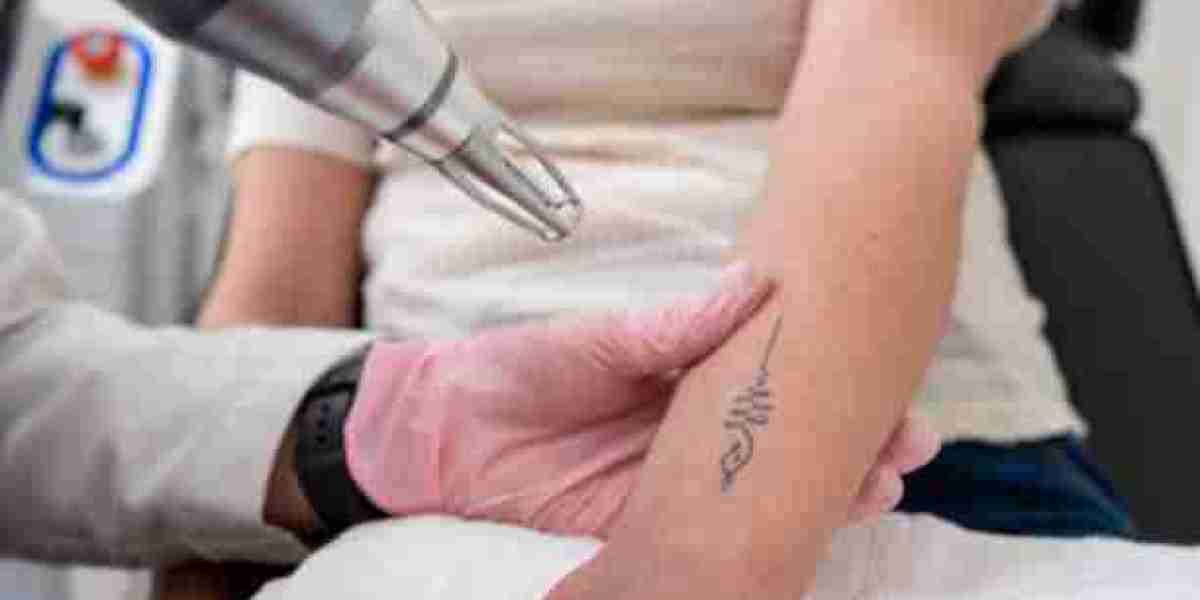

A tattoo can represent a meaningful moment, personal style, or important memory, but preferences can change over time. Tattoo removal Riyadh provides a modern approach for people who want to reduce the appearance of unwanted ink. The treatment uses controlled laser energy to target tattoo pigments beneath the skin and gradually break them into smaller particles.
Tattoo removal is not the same for everyone because each design has different characteristics. Ink color, pigment depth, tattoo size, skin tone, location, and age can all influence the treatment process. Understanding these factors can help individuals approach tattoo fading with realistic expectations.
How Laser Treatment Targets Tattoo Ink
Laser tattoo removal works by directing focused pulses of light toward the tattoo pigment. The energy is absorbed by the ink and helps fragment larger pigment particles into smaller pieces. The body can then gradually process these particles through its natural mechanisms.
Different tattoo colors may respond differently to laser energy. Darker pigments can often respond well to appropriate wavelengths, while certain lighter or more complex colors may require specific treatment considerations. This makes an individual assessment an important part of planning.
Why People Consider Tattoo Removal
Changing Personal Preferences
Personal style can evolve with age and changing circumstances. A design that once felt suitable may no longer match an individual's current preferences. Gradually reducing its appearance can provide an option for people who want a different look.
Correcting an Old Design
Some people may want to reduce an existing tattoo before modifying or replacing the design. Fading the original pigment can potentially create a cleaner surface for future tattoo work, depending on the individual circumstances.
Reducing the Visibility of Unwanted Ink
Not everyone wants complete removal. Some individuals may simply want an old or unwanted tattoo to become less noticeable. Laser treatment can be considered as an approach for progressively reducing visible pigment.
Factors That Influence Tattoo Fading
Ink Color and Density
Tattoo pigment characteristics can significantly influence treatment response. Black, dark blue, green, yellow, and other colors can interact differently with laser wavelengths. Tattoos with dense pigment may also require a longer treatment process.
Tattoo Age and Size
Older tattoos may have already experienced some natural fading, while newer tattoos can contain relatively concentrated pigment. Size is another consideration because larger designs involve more pigment and a greater treatment area.
Skin Type and Tattoo Location
Skin tone and condition are considered when selecting suitable treatment parameters. The tattoo's location can also influence the treatment process because skin characteristics and circulation differ across areas of the body.
Why Tattoo Removal Usually Requires Several Sessions
Laser tattoo removal is generally progressive rather than immediate. The laser helps fragment the pigment during treatment, but the body needs time to naturally process the smaller particles.
Because this process takes time, multiple sessions may be recommended. The interval between appointments also allows the skin to recover and gives the body additional time to clear fragmented ink.
What to Expect During Treatment
Before treatment begins, the tattoo and surrounding skin can be assessed to determine appropriate laser settings. The assessment may consider the tattoo's color, size, location, pigment density, and previous treatment history.
During the session, controlled laser pulses are applied to the tattooed area. Temporary sensations such as warmth, discomfort, redness, or swelling may occur. The experience can vary depending on the individual and characteristics of the tattoo.
Supporting the Skin After Treatment
After a laser session, following professional aftercare instructions is important. The treated area may be temporarily sensitive, so unnecessary rubbing, scratching, or irritation should generally be avoided.
Protecting the treated skin from excessive sun exposure is also an important consideration. Appropriate aftercare can help support the skin while it recovers between sessions.
Setting Realistic Expectations
Tattoo fading can vary considerably between individuals. Some tattoos may show visible changes progressively, while others can require more sessions because of their color, depth, density, or location.
Complete removal is not always guaranteed, and the final degree of fading can depend on multiple factors. A professional assessment can provide more individualized information about the expected treatment process.
Preparing for a Tattoo Removal Journey
People considering laser treatment can benefit from understanding that the process requires patience. Changes may continue between sessions as the body naturally clears fragmented pigment.
Maintaining realistic expectations and following recommended treatment intervals can help individuals approach the process with a better understanding of what to expect. Professional guidance can also help determine whether laser treatment is appropriate for a particular tattoo.
Book an Appointment for Laser Tattoo Removal
If a previous tattoo no longer reflects your preferences, gradual fading may provide an option for reducing its visibility. Laser tattoo removal in Riyadh uses focused laser energy to target unwanted pigment and support progressive tattoo fading. For personalized evaluation and treatment guidance, you can consult Royal Clinic Saudi.
FAQs:
Can laser treatment help with regretful tattoos?
Yes. Laser treatment can gradually reduce the appearance of unwanted tattoo pigment.
How many sessions are usually required?
The number varies according to tattoo size, color, depth, and pigment density.
Can an old tattoo be treated with laser?
Yes. Older tattoos can often be evaluated for laser treatment.
Will the tattoo disappear after one session?
Usually, tattoo fading is gradual and may require multiple sessions.