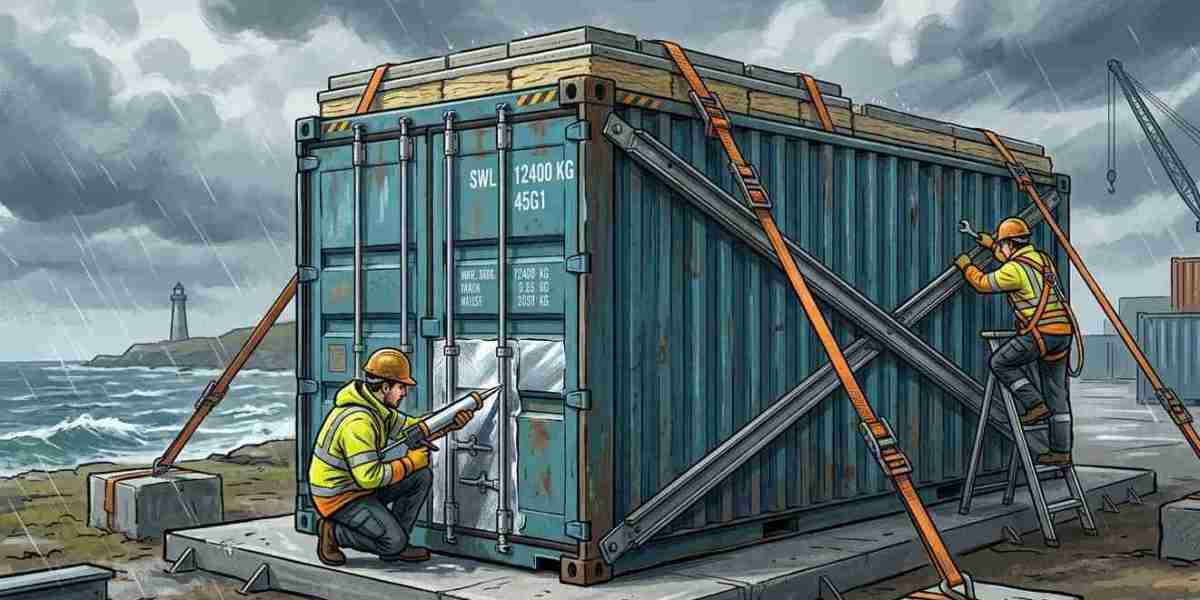

Shipping containers are built for demanding transportation and storage environments, but preparing one for extreme weather can help protect both the container and the items stored inside. Heavy rain, strong winds, extreme heat, snow, and changing ground conditions can create additional challenges for container owners.
For anyone researching shipping containers for sale, weather resistance should be an important consideration. If you're searching for a shipping container for sale near me, you should also evaluate the delivery location and prepare the site before the container arrives. Businesses comparing storage containers for sale should consider drainage, ventilation, insulation, corrosion protection, and secure placement.
Conex Hub provides new and used containers and recommends firm, dry, level ground for container placement. Its delivery guidance also notes that rain, snow, and muddy conditions can affect delivery and may require rescheduling.
Table of Contents
- Why Weather Preparation Matters
- Choose the Right Container Condition
- Prepare a Stable and Level Site
- Improve Drainage Around the Container
- Inspect the Roof and Seals
- Protect Against Moisture
- Improve Ventilation
- Prepare for Extreme Heat
- Prepare for Cold and Snow
- Protect Against Strong Winds
- Prevent Rust and Corrosion
- Inspect the Container Regularly
- FAQs
- Final Thoughts and CTA
Why Weather Preparation Matters
A shipping container provides a strong enclosed storage space, but its performance can be affected by the environment around it.
Extreme weather can create problems such as:
- Water accumulation
- Excess humidity
- Condensation
- Corrosion
- Ground settling
- Excessive interior heat
- Snow accumulation
- Difficult delivery conditions
Conex Hub describes its standard containers as secure and weatherproof, but proper site preparation and maintenance remain important for long-term use.
Choose the Right Container Condition
Before focusing on weather protection, select a container that is appropriate for your intended use.
New One-Trip Containers
One-trip containers are generally near-new and can be useful when condition and appearance are important.
Used Containers
Used containers can be a practical option for storage when they are structurally sound and wind and watertight. Conex Hub describes its used containers as suitable for storage and projects.
Weather-Tight Storage Containers
If your primary goal is storage, make sure the container is appropriately sealed and in suitable condition before placing valuable items inside.
Prepare a Stable and Level Site
One of the most important steps is preparing the ground before delivery.
Conex Hub recommends placing containers on firm, dry, level ground. Pavement, gravel, and hard-packed dirt can provide suitable surfaces, while soft soil, mud, or sand may contribute to settling and delivery complications.
A stable site can help:
- Reduce settling
- Keep doors aligned
- Improve drainage
- Support the container evenly
- Make access safer
The ground should also be evaluated for seasonal changes. A site that is firm during dry weather may become soft after heavy rainfall.
Improve Drainage Around the Container
Water management is particularly important in areas that experience heavy rain or flooding.
Avoid placing the container in a naturally low area where water collects. Make sure rainwater has a suitable path away from the container.
Depending on the property, drainage improvements may include:
- Creating a suitable slope
- Improving surrounding drainage
- Using an appropriate gravel base
- Keeping drainage paths clear
- Avoiding areas that regularly flood
Good drainage helps reduce prolonged exposure to moisture and can protect the ground around the container.
Inspect the Roof and Seals
Before severe weather arrives, inspect the container's exterior.
Pay particular attention to:
- Roof panels
- Roof seams
- Door seals
- Door locking mechanisms
- Wall panels
- Corners
- Areas with previous repairs
Look for signs of damage, gaps, corrosion, or deterioration. Any significant problem should be evaluated and repaired appropriately before severe weather.
A container that is properly maintained can provide better protection for stored items.
Protect Against Moisture
Moisture can enter a container from several sources, including rainwater, damaged seals, condensation, and wet items placed inside.
To reduce moisture problems:
Keep Items Dry
Do not place wet equipment, boxes, or materials inside the container when avoidable.
Leave Space Around Stored Items
Avoid packing everything tightly against walls. Allowing some airflow can help reduce condensation-related problems.
Use Suitable Storage Practices
Items that are sensitive to humidity may require additional protection, such as appropriate sealed packaging or moisture-control products.
Inspect After Heavy Rain
After severe weather, check the container and stored items for signs of water intrusion or condensation.
Improve Ventilation
Temperature changes can cause condensation inside a sealed metal container.
Proper ventilation can help manage humidity and reduce condensation. Conex Hub also offers modified container solutions where ventilation can be incorporated for specific applications.
For a standard storage container, consider whether additional ventilation is appropriate for your intended use. Any modification should be properly designed and installed so that it does not compromise the container's structure or weather protection.
Prepare for Extreme Heat
Metal containers can become very warm internally when exposed to strong sunlight.
If a container will be used in a hot climate, consider:
- Shading the container where practical
- Improving ventilation
- Using appropriate insulation
- Keeping heat-sensitive items in suitable protective packaging
- Checking stored items periodically
For containers being converted into offices or workspaces, insulation and climate control may be particularly important. Conex Hub's container-office solutions can include insulation-related modifications, windows, lighting, and climate control depending on the configuration.
Prepare for Cold and Snow
Cold weather creates different challenges.
In areas that receive snow or freezing temperatures, monitor:
- Snow accumulation
- Ice around doors
- Ground conditions
- Water that could freeze around the container
- Damage to seals
Heavy snow should be addressed according to the container manufacturer's or supplier's recommendations. Avoid making structural changes or attempting repairs that could compromise the container.
If the container is used as a workspace, additional insulation and appropriate heating systems may be needed.
Protect Against Strong Winds
Wind preparation starts with proper placement.
A container should be positioned on a suitable surface and according to the supplier's placement recommendations. Avoid placing it where surrounding conditions create unnecessary risks from falling branches or other objects.
Before severe wind:
- Inspect doors and locking mechanisms
- Secure stored items inside
- Remove loose objects around the container
- Check nearby trees and branches
- Inspect the roof and exterior
If your location regularly experiences severe storms, discuss site-specific placement requirements with a qualified professional or your container supplier.
Prevent Rust and Corrosion
Moisture and salt exposure can contribute to corrosion over time.
Regularly inspect the exterior for:
- Rust spots
- Scratches
- Peeling coatings
- Damaged paint
- Corroded hardware
- Areas where water remains trapped
Addressing minor corrosion early can help prevent it from becoming a larger maintenance problem.
The container's environment matters too. Keeping vegetation, debris, and standing water away from the container can help reduce unnecessary moisture exposure.
Inspect the Container Regularly
Weather preparation should not be a one-time task.
Create a simple inspection routine and check the container periodically, particularly before and after periods of severe weather.
Look at:
- Roof condition
- Door operation
- Door seals
- Exterior walls
- Floor condition
- Rust and corrosion
- Ground stability
- Drainage
- Interior moisture
- Stored items
Regular inspections can help you identify small problems before they become more significant.
FAQs
Are shipping containers weatherproof?
Many shipping containers are designed to provide weather-resistant enclosed storage. However, condition, maintenance, seals, placement, and site conditions all affect how well a container protects its contents.
What type of ground is best for a shipping container?
Conex Hub recommends firm, dry, level ground. Pavement, gravel, and hard-packed dirt can be suitable, while soft soil, mud, and sand can create settling and delivery problems.
How can I prevent moisture inside a shipping container?
Keep stored items dry, maintain door seals, provide appropriate ventilation, avoid standing water around the container, and inspect for condensation or water intrusion regularly.
Can extreme heat damage items inside a container?
Yes. The interior can become significantly warmer than the surrounding environment. Heat-sensitive items may require additional insulation, ventilation, shading, or another appropriate storage solution.
Can shipping containers handle heavy rain?
A properly maintained container can provide weather-resistant storage, but drainage and site preparation are important. Standing water around the container should be avoided.
Should I inspect my container after a storm?
Yes. Check the roof, doors, seals, exterior walls, ground conditions, and interior for signs of damage or water intrusion.
Can a shipping container be insulated for extreme temperatures?
Yes. Containers can be modified with insulation and other features for applications where temperature control is important. The appropriate solution depends on the intended use.
Does weather affect container delivery?
Yes. Conex Hub notes that rain, snow, and mud can affect delivery conditions and that poor conditions may require rescheduling to protect the property and ensure safe placement.
Final Thoughts
Preparing a shipping container for extreme weather involves more than simply choosing a strong container. Proper site preparation, drainage, ventilation, moisture control, corrosion prevention, and regular inspections can all contribute to a better storage environment.
When comparing shipping containers for sale, consider the climate and conditions where the container will be placed. If you're searching for a shipping container for sale near me, evaluate the delivery site as carefully as the container itself. When comparing storage containers for sale, choose a container condition and configuration that match the items you plan to store and the weather conditions in your area.
Conex Hub offers new, used, and specialized container solutions, with delivery guidance that emphasizes level ground, clear access, and consideration of weather and soil conditions.
Ready to Prepare Your Container?
Whether you need a container for business inventory, equipment, construction supplies, or general storage, start by identifying your size, condition, and site requirements. Contact Conex Hub to discuss available options and request a quote based on your project and delivery location.