
Water is one of the most persistent threats to the durability of a building. Rainfall, groundwater, humidity, plumbing leakage, and poor drainage can gradually introduce moisture into roofs, basements, foundations, walls, terraces, and other structural areas. Without an effective waterproofing system, repeated exposure to water can result in dampness, surface deterioration, corrosion of embedded reinforcement, peeling finishes, and expensive maintenance.
This makes Building Waterproofing an important part of modern construction and infrastructure planning. Rather than treating waterproofing as a final-stage repair activity, architects, engineers, developers, contractors, and project owners increasingly consider it during the design and construction stages.
PVC geomembrane technology provides one option for creating an impermeable waterproofing layer in suitable building applications. Dr. Millars supplies PVC geomembranes for applications including building roofs, foundations, basements, tunnels, underpasses, reservoirs, and other concrete structures.
What Is Building Waterproofing?
Building Waterproofing refers to the systems, materials, detailing, and construction practices used to prevent unwanted water from entering or damaging a building structure.
Waterproofing can be required in several areas of a building, including roofs and terraces exposed to rainfall, basements exposed to groundwater, foundations in moisture-prone soil, underground structures, wet areas, expansion joints, and other locations where water pressure or moisture exposure is expected.
A successful waterproofing system needs more than simply applying a material to a surface. The substrate, joints, drainage, penetrations, corners, movement, membrane continuity, protection layers, and installation quality all need to be considered.
Why Building Waterproofing Matters
Moisture can affect buildings in ways that are not always immediately visible. A small leakage point can gradually develop into a larger problem when water repeatedly enters the structure.
In concrete buildings, water may move through cracks, joints, construction defects, pipe penetrations, or poorly treated interfaces. Persistent moisture can contribute to deterioration of finishes and may create conditions that affect structural components over the long term.
A properly designed waterproofing geomembrane system can provide a continuous barrier in applications where an impermeable membrane is suitable. The objective is to prevent water from reaching protected structural areas and to improve the durability of the building envelope or below-ground structure.
PVC Geomembrane for Building Waterproofing
A PVC geomembrane is a flexible polymeric sheet designed to provide resistance to water and liquid penetration. Depending on the design, it can be used as a waterproofing or lining layer for suitable building and infrastructure applications.
Dr. Millars states that its PVC geomembranes are used for waterproofing concrete structures, building roofs, foundations, basements, tunnels, underpasses, expansion joints, reservoirs, water bodies, canals, roads, and dams.
The suitability of a particular membrane depends on the construction arrangement and project specification. The membrane thickness, exposure conditions, installation technique, protection system, and detailing should be established according to the requirements of the individual project.
Building Waterproofing for Foundations
Foundations are continuously exposed to the surrounding soil environment. Depending on the site, groundwater conditions and drainage characteristics, foundation structures can experience substantial moisture exposure.
If water reaches foundation walls or below-ground concrete through cracks, joints, or construction interfaces, it can eventually create dampness inside the building. In more demanding conditions, hydrostatic pressure can increase the challenge faced by the waterproofing system.
A suitable PVC geomembrane sheet can be incorporated into a properly designed waterproofing system for relevant foundation applications. Correct detailing around construction joints, penetrations, corners, and transitions is essential to maintaining membrane continuity.
For below-ground structures, waterproofing should be coordinated with drainage and structural design rather than treated as an isolated surface application.
Basement Waterproofing and Underground Structures
Basements are among the most demanding areas for Building Waterproofing because they are located below or partially below ground level. Groundwater and soil moisture can create pressure against basement walls and slabs.
A waterproofing system for such structures needs to be selected based on groundwater conditions, construction sequence, structural movement, accessibility for maintenance, and whether the membrane will be installed internally or externally.
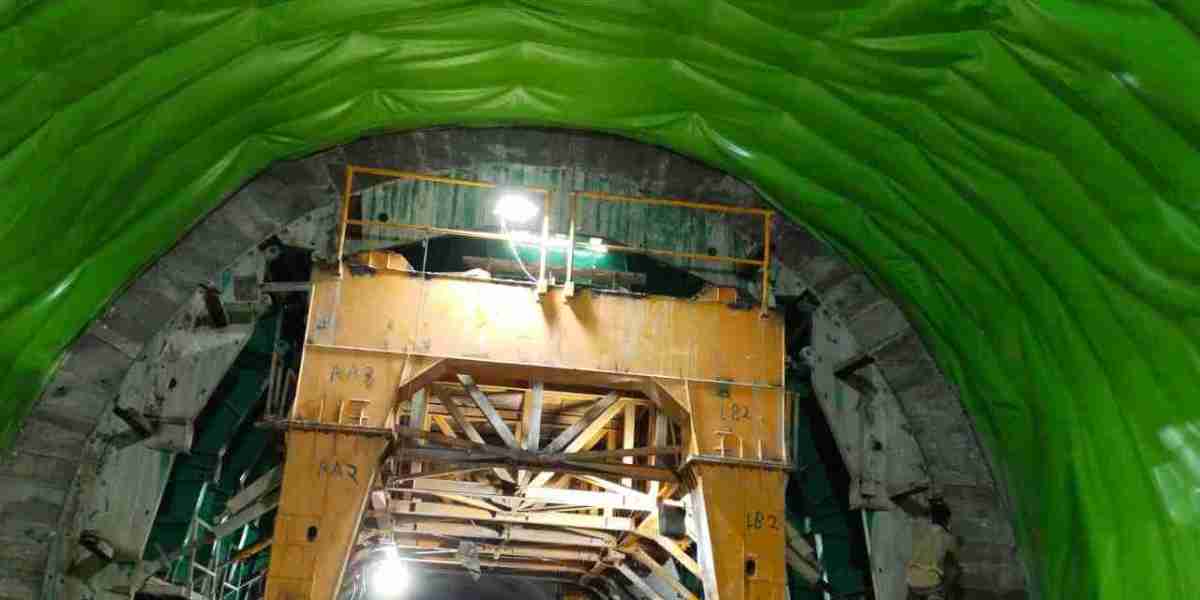
PVC geomembrane systems can be considered for appropriate underground waterproofing applications. Dr. Millars specifically identifies basements, tunnels, and underpasses among the applications of its PVC geomembranes.
The project design should determine whether additional drainage, protection layers, geotextiles, or other components are required.
Roof and Terrace Waterproofing
Building roofs and terraces are directly exposed to rainfall, sunlight, temperature fluctuations, and environmental conditions. Water can accumulate where drainage is inadequate or enter through cracks, joints, outlets, and service penetrations.
A reliable roof waterproofing system should therefore provide continuous protection while accommodating the specific conditions of the roof.
PVC geomembranes are recognized under IS 15909:2020 for waterproofing roofs and terraces. The applicable standard covers PVC geomembranes for both exposed and unexposed waterproofing applications.
The correct membrane arrangement should be selected according to the roof design, anticipated exposure, protection requirements, and project specifications.
Waterproofing Around Expansion Joints and Penetrations
Some of the most vulnerable areas in a building are not large flat surfaces but transitions and discontinuities.
Expansion joints, construction joints, pipe penetrations, drainage outlets, corners, wall-to-floor connections, and equipment interfaces require careful waterproofing details. If these locations are inadequately treated, water can bypass an otherwise well-installed membrane.
A professional waterproofing geomembrane installation therefore needs to address these details as part of the complete system. The membrane should not simply be considered as a sheet laid across a surface.
Importance of Surface Preparation
The performance of any membrane-based waterproofing system depends partly on the condition of the substrate.
Before installing a PVC geomembrane sheet, the construction team should assess the surface for sharp projections, loose materials, significant irregularities, cracks, standing water, and other conditions that could interfere with installation.
Substrate preparation should follow the approved project methodology. Areas that could damage the membrane need to be appropriately treated, while drainage arrangements should be completed or coordinated with the waterproofing work.
Good preparation reduces installation difficulties and helps create a more consistent waterproofing system.
Membrane Joints and Installation Quality
Large building surfaces often require multiple membrane sheets. These sheets must be joined using an appropriate installation technique to create a continuous waterproofing layer.
The quality of joints and terminations is particularly important because a weak connection can compromise the continuity of the system.
Dr. Millars offers turnkey supply and installation of PVC geomembrane for suitable projects. Its website also states that installation accessories are sourced from reputed and approved suppliers along with test certificates.
Professional installation should include appropriate attention to seams, corners, edges, penetrations, drainage points, and other vulnerable locations.
Selecting the Right Waterproofing Solution
There is no universal waterproofing system for every building. A high-rise commercial building, residential basement, industrial facility, underground structure, warehouse, and infrastructure building can have very different waterproofing requirements.
The selection process should consider the building's location, structural design, groundwater conditions, roof or foundation configuration, expected water exposure, construction sequence, membrane exposure, traffic or mechanical loading, and long-term maintenance requirements.
Material thickness is another consideration. Dr. Millars currently states that its PVC geomembranes are normally available in 1.5 mm and 2.00 mm thicknesses and that tailor-made specifications can be developed for large infrastructure projects.
The appropriate thickness should always be determined from the actual project requirements rather than assuming that one thickness is suitable for every building.
Quality Standards for Building Waterproofing
Quality assurance is particularly important for waterproofing because many defects can remain hidden until significant water exposure occurs.
IS 15909:2020 covers PVC geomembranes for lining and waterproofing applications and establishes requirements relating to physical and performance characteristics such as thickness, tensile strength, elongation, tear strength, puncture resistance, hydrostatic pressure resistance, dimensional stability, chemical resistance, and other properties.
Where a project specification requires BIS certification or the Standard Mark, procurement teams should verify the manufacturer's current certification, licence scope, and applicable product documentation. General reference to an Indian Standard should not automatically be interpreted as evidence of a current BIS licence.
Building Waterproofing and Dr. Millars
D L MILLAR AND COMPANY LIMITED operates under the Dr. Millars brand and has been established since 1929. The company supplies PVC geomembranes for a range of waterproofing and seepage-control applications.
Its published applications include building roofs, foundations, basements, tunnels, underpasses, expansion joints, reservoirs, water bodies, canals, roads, and dams.
Dr. Millars states that its PVC geomembranes are manufactured in India and that it can provide tailor-made membrane specifications for large infrastructure projects. The company also offers turnkey supply and installation services.
For projects requiring additional protective materials, Dr. Millars states that geotextiles can be arranged according to tailor-made requirements through OEM manufacturers, while installation accessories are sourced from reputed and approved suppliers with test certificates.
Building Waterproofing for Infrastructure Projects
Large construction projects require waterproofing systems that can be coordinated with engineering, procurement, and construction activities.
Infrastructure buildings, underground facilities, transportation structures, industrial projects, commercial developments, and large concrete structures may require waterproofing across several interconnected areas.
In such projects, the waterproofing contractor or material supplier needs to understand the project drawings, specifications, construction sequence, site conditions, and interface requirements. This helps ensure that the selected membrane system is compatible with the overall building design.
A coordinated approach can also simplify material procurement, installation planning, quality documentation, and inspection.
Long-Term Value of Professional Waterproofing
The purpose of waterproofing is not merely to stop today's leakage. It is to protect the structure against future moisture exposure.
Poorly planned waterproofing may lead to recurring repairs, disruption to occupants, damage to interior finishes, and additional maintenance costs. By contrast, a properly designed and installed system can form an important part of the building's long-term protection strategy.
This is why waterproofing specifications should be prepared before construction rather than waiting until leakage becomes a problem.
Frequently Asked Questions About Building Waterproofing
What is Building Waterproofing?
Building Waterproofing is the process of protecting building components such as roofs, terraces, foundations, basements, and underground structures from unwanted water penetration using suitable materials, detailing, drainage, and installation methods.
Can PVC geomembrane be used for building waterproofing?
Yes. PVC geomembranes can be used for suitable building waterproofing applications, including roofs, foundations, basements, and other concrete structures. The specific membrane and installation method should be selected according to the project design and applicable specifications.
Is PVC geomembrane suitable for basement waterproofing?
PVC geomembrane can be considered for suitable basement and underground waterproofing applications. Groundwater conditions, hydrostatic pressure, structural movement, drainage, membrane protection, and construction methodology should be evaluated before selecting the system.
How long does building waterproofing last?
The service life of a waterproofing system depends on the material, installation quality, exposure conditions, structural movement, drainage, protection, maintenance, and project environment. A specific service-life guarantee should not be assumed without a product and project-specific assessment.
What should be considered before selecting a waterproofing membrane?
Important considerations include the location of the waterproofing layer, water exposure, substrate condition, structural movement, drainage, membrane exposure, protection requirements, joints, penetrations, applicable standards, and installation methodology.
Contact Dr. Millars for Building Waterproofing Solutions
For new construction, renovation, infrastructure development, basement protection, roof waterproofing, or other concrete waterproofing requirements, project teams can discuss their application with Dr. Millars to identify an appropriate PVC geomembrane solution.
D L MILLAR AND COMPANY LIMITED
Flat No. 303, 3rd Floor, Elite House-36, Community Center, Zamroodpur, New Delhi-110048, India
Phone: +91 8700518400
Email: dlmillars@gmail.com
Website: https://drmillars.co.in/tunnel-waterproofing.php
Conclusion
Effective Building Waterproofing is an important investment in the durability and functionality of modern structures. From roofs and terraces to foundations, basements, tunnels, and other concrete structures, waterproofing needs to be planned according to actual site and structural conditions.
PVC geomembrane technology provides an impermeable membrane solution for appropriate applications, while proper substrate preparation, joint treatment, detailing, drainage, protection, and professional installation are equally important to the performance of the completed system.
With experience in PVC geomembrane solutions and turnkey supply and installation, Dr. Millars supports suitable building and infrastructure waterproofing requirements with project-specific approaches.