
Schedule pressure changes how people shop. When a crane sits idle, everyone from the yard manager to the project owner feels it. That pressure makes unfamiliar suppliers seem reasonable, even sensible. It is precisely the environment where counterfeiters earn their living.
Forgeries have grown sophisticated enough to fool a hurried inspection. Boxes, stamps, and finishes now mimic genuine articles with real accuracy. Manitowoc parts appear frequently on counterfeiters' target lists, and imitations improve each year. Learning a few disciplined checks is time well spent.
Understanding the Problem
Several years of supply disruption accelerated this trend. Extended lead times pushed buyers toward sources they would normally skip. Counterfeiters saw the shift and invested in better tooling. The result is a market where fakes blend in convincingly.
Detecting forgeries now demands attention rather than a passing glance. Producers of imitations study genuine design and reproduce visible features deliberately. Some fakes pass an initial visual check without difficulty. That is why the steps below matter more than intuition alone.
The Stakes Involved
Not every counterfeit behaves the same way in service. A poor filter may simply reach its limit early. A fabricated brake or bearing carries consequences that extend far beyond maintenance. Load-bearing failures threaten people first and budgets second.
Financial exposure runs deeper than the invoice for the failed part. Short-lived components tend to damage adjacent assemblies as they degrade. Warranties usually exclude damage linked to non-genuine installation. A major assembly rebuilt because of one small substitution is a common outcome.
Then consider what happens after an incident. Investigators examine failed components and document their findings. Evidence of a counterfeit can undermine an insurance claim entirely. Medical costs, property damage, and legal expenses then rest with the operator.
Buyers who recognize this pattern early tend to change their habits. The modest discount that justified an unverified purchase rarely survives the calculation. Verification is a small task with outsized consequences if skipped. Treat it as part of receiving, not an optional courtesy.
Purchase From Trusted Sources
Begin with the seller, because that decision controls most of the risk. Authorized dealers hold direct factory relationships and documented inventory. They do not route orders through unverified intermediaries. The chain from manufacturer to buyer stays intact.
When a secondary supplier is unavoidable, ask for written authorization. Confirm that paperwork through the manufacturer rather than taking it at face value. Legitimate dealers expect such calls and will not object. Consistent documentation across purchases is a sign of a reliable source.
Retain purchase records tied to each work order. Serial numbers, invoices, and supplier details belong in the same file. Good records make any future claim or audit far simpler. They also help you spot patterns if something goes wrong.
Study the Packaging
Boxes offer evidence before the component is even opened. Genuine packaging uses consistent stock, accurate color matching, and sharp printing. Fades, smudges, and typographic errors are common in imitations. Compare any new box against one you already trust.
Manufacturers also deploy tamper-resistant features on valuable shipments. Holograms, coded barcodes, and break-away seals appear on premium items. Missing or damaged seals should pause the receiving process immediately. A component worth protecting arrives properly protected.
Photographs of authentic packaging are useful reference material in the shop. Keeping a small library of images speeds up future comparisons. New staff members learn quickly from visual examples. That habit costs almost nothing and shortens the review process.
Inspect the Component Themselves
Once unpacked, the component deserves direct scrutiny. Genuine machining shows clean edges and uniform surfaces throughout. Imitations often display burrs, rough cuts, or dull finishes. A thumb run along a critical edge reveals much.
Weight and texture offer additional evidence. Substituted materials weigh less and respond differently to light taps. Rubber may feel brittle or carry an unusual chemical odor. These signals together point toward a fabricated item.
Cast and stamped identifiers should match the accompanying labels. Inconsistencies between the metal and the box deserve immediate attention. Photograph anything that seems off before installation proceeds. Later, that record helps if a claim must be filed.
Hose assemblies require a specific check. Uniform crimps and snug fittings indicate proper manufacturing standards. Crane parts in hydraulic service rely on hose integrity under sustained pressure. Uneven crimps or loose fittings are reasons to reject the item.
Verify the Documentation
Paperwork accompanies a legitimate component at every stage. Certificates of authenticity, material reports, and serial numbers should be present. Log each serial number before the item reaches the shelf. Then confirm it against the manufacturer's online record.
The returned record should describe what you actually ordered. A mismatch between the record and the physical item is a clear warning. Missing documents should be treated as grounds to walk away. Explanation about forgotten paperwork is not sufficient reassurance.
Store scans alongside work orders so nothing goes missing. When a warranty question arises later, the archive becomes valuable. A simple folder structure keeps that process orderly. Documentation discipline is easier than it sounds once established.
Treat Deep Discounts With Caution
Price communicates something when you read it carefully. Development, materials, testing, and logistics all sit inside the final number. A quote far below the dealer figure should trigger questions. Asking those questions before ordering costs very little.
Sellers of imitations depend on urgency to close deals. They present low figures to buyers facing schedule pressure. Recognizing that pattern helps you slow the decision down. Genuine quotes normally leave room for inspection and verification.
Employ Digital Verification
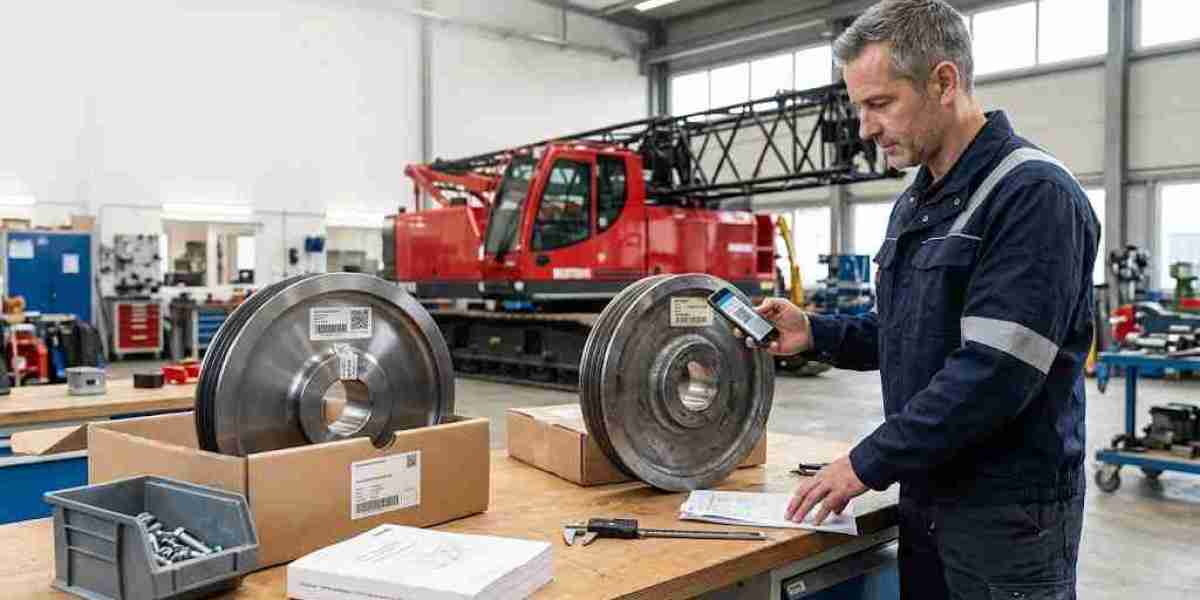
Manufacturers now embed digital markers in many components. QR codes and RFID tags appear on a growing range of items. Official tracking applications read those markers and return useful data. Scanning takes seconds and adds meaningful assurance.
A proper scan returns production date, shipping history, and warranty status. A blank page or unexpected web address suggests a tampered tag. Keep applications current so they recognize newer identifiers. Technology continues to raise the difficulty of convincing forgery.
Manitowoc parts across many categories now carry scannable identifiers as standard. Making scanning part of receiving turns it into routine rather than a special step. Consistency here reduces the chance that a rushed day produces a mistake. Set the expectation and let the process do the work.
Rely on Your Technicians
Experienced technicians develop reliable instincts through daily contact with equipment. When a veteran mechanic raises a concern about a component, take it seriously. Weight, finish, and sound are difficult to replicate convincingly. That judgment is an asset worth listening to.
Create an environment where raising doubts carries no penalty. A short delay for confirmation is preferable to a failure in the field. Verification should be understood as normal shop practice. Everyone benefits when caution is shared rather than isolated.
Recognize Frequent Targets
Understanding where risk concentrates makes inspection effort efficient. Counterfeiters favor high-volume, consumable items over specialized assemblies. Filters rank among the most frequently imitated products. From the outside, a fake filter looks identical to a genuine one.
Internally, the difference is significant and consequential. Poor filtration media allows contamination to enter hydraulic circuits. Pumps and valves then wear far faster than they should. The cost of downstream damage dwarfs the price of any filter.
Seals and gaskets receive similar attention from counterfeiters. Manitowoc parts in small sizes still require the same careful review. Cheap seals degrade quickly once pressure rises. Bearings round out the list, and their failures carry severe consequences.
Remain Vigilant
Counterfeit components continue to threaten both safety and financial stability. No schedule is worth the risk of installing an unverified item. Choose authorized sources and inspect deliveries thoroughly every time. Read identifiers, compare packaging, and confirm documentation before installation.
Verified crane parts change the confidence level of the whole crew. Knowing the component has been checked supports sound decisions under pressure. That assurance shows up in smoother projects and fewer surprises. It is a practical benefit, not an abstract one.
Keep your routines steady even when the schedule tightens. The minutes spent on verification protect far more than they cost. Safeguard the equipment, the timeline, and the people who depend on both. That is the whole point of careful purchasing.