
Understanding the available approaches to managing patchy hair loss can make it easier to recognize the importance of timely professional evaluation. Alopecia Areata Treatment in Riyadh may involve different medical strategies depending on the extent of hair loss, affected areas, duration, and individual health factors. Learning about these options can help patients understand why treatment plans are personalized rather than based on one standard approach.
Alopecia areata is an autoimmune condition in which the immune system mistakenly affects hair follicles, leading to sudden or gradual hair loss. Exploring Alopecia Areata Treatment in Riyadh can provide useful insight into how clinicians assess the condition and determine whether observation, localized treatment, or more comprehensive medical management may be appropriate. Hair loss can range from a few small patches to extensive scalp or body hair loss.
Understanding Your Alopecia Areata
Recognizing Common Symptoms
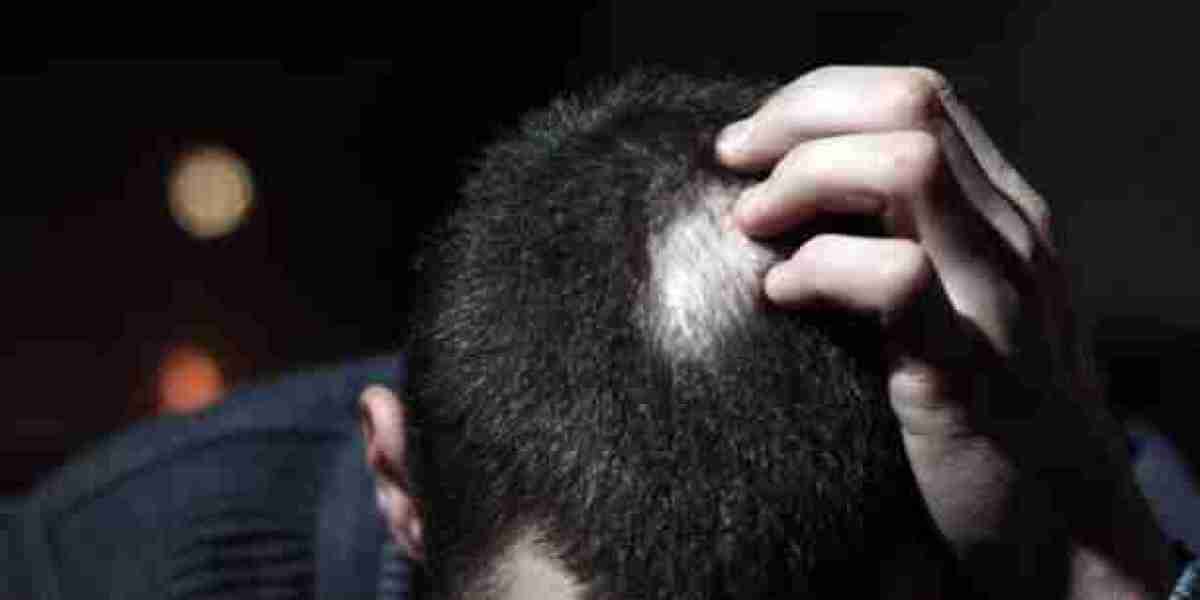
Alopecia areata often produces smooth, round or oval patches where hair has suddenly disappeared. It may affect the scalp, eyebrows, eyelashes, beard, or other areas. Some individuals may also experience nail changes. Recognizing these patterns can help encourage appropriate professional assessment.
Understanding Disease Activity
The condition can remain stable, improve, or become more extensive over time. New patches may develop while existing areas begin to regrow. Monitoring these changes helps clinicians understand the current activity of the condition and determine whether treatment should be considered.
Initial Assessment Before Treatment
Examining Hair and Scalp
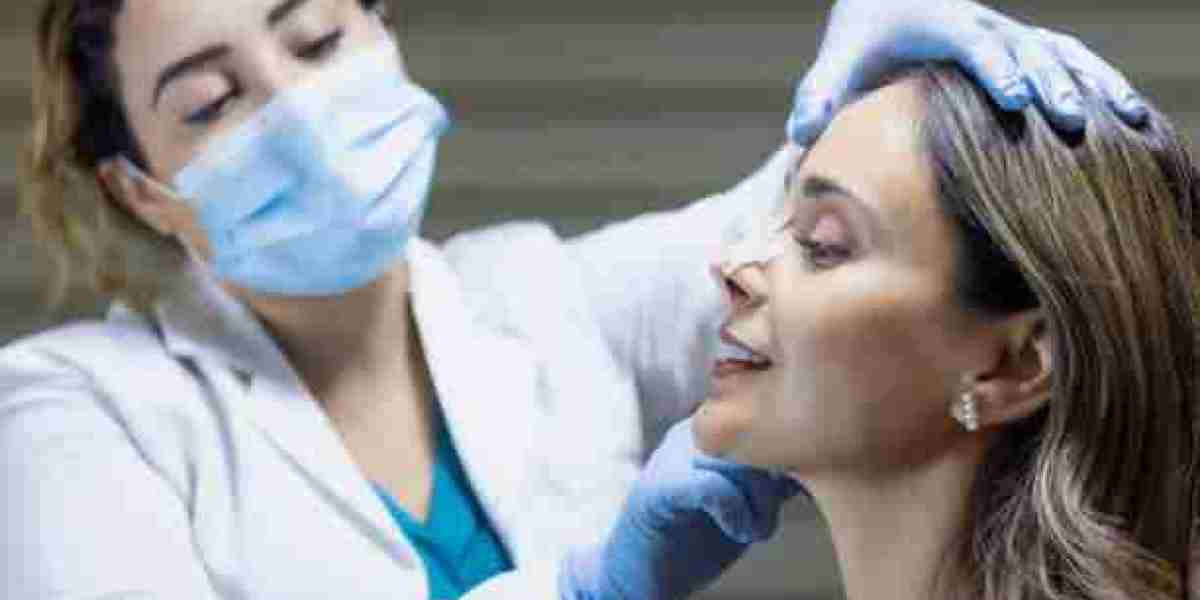
A professional evaluation usually involves examining the affected areas and reviewing the history of the hair loss. The number, size, and location of patches can provide important information about the condition and its progression.
Considering Other Causes
Patchy hair loss can have several causes, including fungal infections, traction-related loss, inflammatory scalp disorders, and other types of alopecia. Identifying the correct cause is essential because treatment differs between conditions.
Treatment Options for Limited Hair Loss
Topical Medications
For people with limited patches, topical treatments may be considered. Corticosteroid preparations are among the options clinicians may use for appropriate patients. Treatment selection depends on the affected area, age, severity, and medical history.
Local Corticosteroid Injections
Intralesional corticosteroid injections may be considered for certain localized patches, particularly in adults. The medication is delivered directly into affected areas under professional supervision. The number and timing of treatments depend on the individual's response.
Treatment Options for More Extensive Hair Loss
Systemic Therapies
When hair loss covers larger areas or continues to progress, systemic treatment may be considered. These medications work throughout the body and require careful evaluation of medical history, other medications, and potential risks before use.
Targeted Treatments
Targeted therapies, including JAK inhibitors, may be appropriate for some patients with moderate-to-severe alopecia areata. These medicines influence specific immune pathways involved in the disease. Because they can require medical monitoring, they should only be used when clinically indicated and under appropriate supervision.
Factors That Influence Treatment Selection
Severity and Extent
The amount of hair affected is an important consideration. A few small patches may be managed differently from widespread scalp or body hair loss. The speed at which new areas appear can also influence clinical decision-making.
Age and Medical History
Age, general health, previous treatments, current medications, and other medical considerations can affect which options are suitable. A personalized assessment helps ensure that treatment choices reflect the individual's circumstances.
Previous Treatment Response
If someone has previously received treatment, their response can help inform future decisions. Limited improvement, recurrence, or continued progression may lead a clinician to reassess the management strategy.
Supporting Hair Health During Treatment
Use Gentle Hair Care
Gentle washing, careful brushing, and avoiding excessive pulling can help protect existing hair. Tight hairstyles and aggressive styling may increase mechanical stress and should be minimized when hair is fragile.
Protect Exposed Areas
Hair loss can leave parts of the scalp exposed to sunlight. Wearing appropriate head protection and protecting exposed skin from excessive sun exposure can help reduce irritation and sunburn.
Monitoring Hair Regrowth
Observe Changes Gradually
Hair regrowth can take time and may not happen evenly across all affected areas. New hairs may initially be fine or lighter in color before becoming thicker and more pigmented. Regular observation can help identify gradual changes.
Continue Professional Follow-Up
Follow-up appointments can help determine whether treatment is working, whether new patches are appearing, and whether the management plan should be adjusted. Ongoing monitoring is particularly useful because alopecia areata can fluctuate over time.
Setting Realistic Treatment Expectations
There is no single treatment that guarantees the same response for every person with alopecia areata. Some individuals may experience spontaneous regrowth, while others require medical treatment to help manage persistent or extensive hair loss. Recurrence can also occur after regrowth, making long-term awareness important.
Alopecia Areata Treatment in Riyadh should therefore be selected according to the individual's condition rather than simply choosing the most intensive available option. Professional assessment, appropriate treatment, and realistic expectations can provide a structured approach to managing changes in hair growth.
Why Personalized Treatment Matters
The right approach depends on the characteristics of each case. Understanding the extent of hair loss, disease activity, previous treatment history, and overall health can help clinicians determine whether observation or active treatment is appropriate. Personalized care also allows treatment to be modified when the condition changes.
Book an Appointment
If you are experiencing sudden or patchy hair loss and want to understand your treatment options, consider arranging a professional consultation. At Royal Clinic Saudi, specialists can evaluate your hair loss pattern and discuss suitable approaches based on your individual condition and clinical needs.
FAQs
What is the first step in treating alopecia areata?
A professional assessment helps confirm the cause and determine the appropriate management approach.
Can mild alopecia areata improve without treatment?
Yes. Some limited cases may experience spontaneous hair regrowth.
Are injections used for alopecia areata?
Yes. Local corticosteroid injections may be considered for selected localized patches.
Can extensive alopecia areata require advanced treatment?
Yes. Systemic or targeted therapies may be considered for suitable patients with extensive disease.