
Building Strong Connections
Metalwork requires accuracy, proper preparation, and a careful understanding of the materials involved. Different metals respond differently to heat, pressure, and welding techniques. Professional work focuses on creating strong connections while maintaining a clean appearance. Careful planning also helps reduce defects, unnecessary material waste, and future repair concerns.
Working With Aluminum Materials
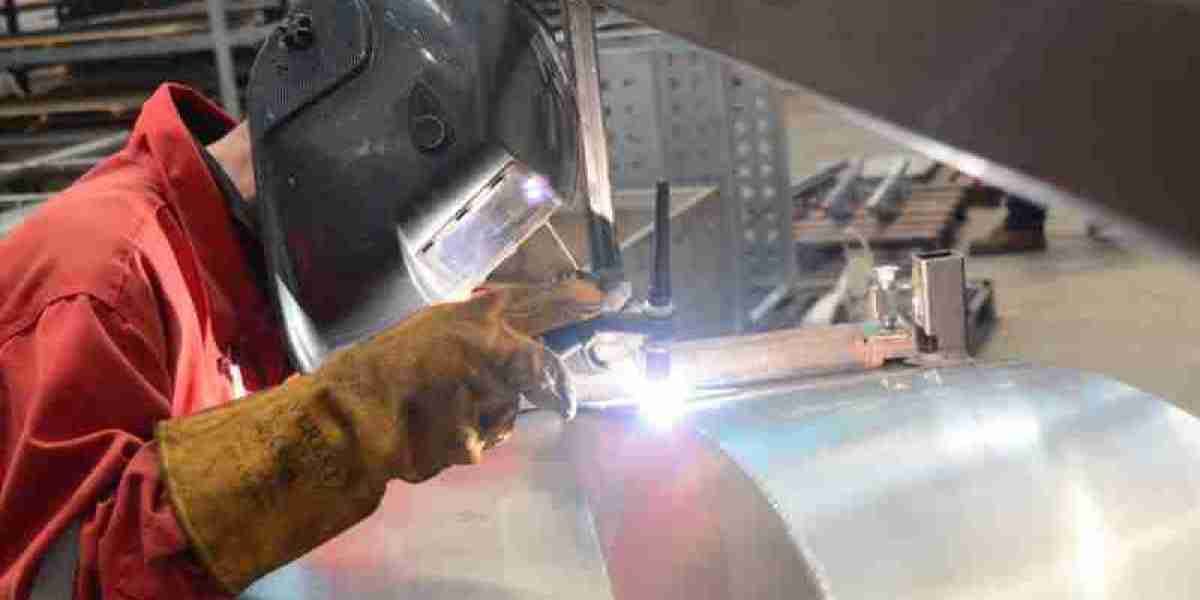
Aluminum Welding Services Chicago IL can support projects that require lightweight yet durable metal components. Aluminum is commonly selected for its resistance to corrosion and favorable strength-to-weight ratio. However, it requires appropriate equipment, settings, and techniques. Experienced welders can prepare surfaces correctly and manage heat to create consistent, reliable joints.
Why Preparation Matters
Good welding begins before the torch or welding gun is used. Surfaces should be cleaned and prepared so contaminants do not interfere with the connection. Measurements also need to be checked carefully. Proper alignment helps prevent weak points, uneven joints, and unnecessary adjustments after the work has been completed.
Choosing the Right Welding Method
Different applications may call for different welding methods. TIG welding is often useful when precise control and a clean finish are important. MIG welding can be practical for various fabrication and repair projects. The appropriate method depends on the material, thickness, project requirements, and desired appearance.
Supporting Repair Projects
Welding can restore damaged or separated metal components when replacement is not necessary. Cracks, broken joints, worn sections, and detached parts may sometimes be repaired through carefully planned welding work. A proper assessment helps determine whether welding is suitable or whether the damaged component should be replaced instead.
Fabrication Requires Accuracy
Fabrication involves more than simply joining two pieces of metal. Components may need to be measured, cut, shaped, positioned, and welded according to a specific design. Accuracy at each stage can affect the final result. Professional fabrication work helps ensure that finished components fit their intended location and function properly.
Professional Welding Applications
Welding Services Chicago IL can accommodate many different metalworking requirements for homes, businesses, workshops, and construction-related projects. Services may include repairs, fabrication, structural components, custom metalwork, and maintenance. Each project should be evaluated individually because the required equipment and welding approach can vary significantly.
Maintaining a Clean Finish
A strong weld should also meet the visual expectations of the project. Excess material, uneven surfaces, discoloration, and rough edges can affect the finished appearance. Skilled finishing may include cleaning, grinding, smoothing, or other appropriate steps. These details can make completed metalwork look more refined and professionally finished.
Custom Metalwork Considerations
Some projects require components that are not readily available as standard products. Custom welding can help create metal pieces based on specific measurements and design requirements. This may be useful for brackets, frames, supports, equipment components, and other specialized applications where standard replacement parts are unsuitable.
Safety During Welding
Welding involves intense heat, bright light, fumes, sparks, and specialized equipment. Appropriate protective equipment and safe working procedures are essential. The work area should also be prepared to reduce fire and exposure risks. Professional welders generally follow established safety practices while selecting equipment and techniques suitable for the particular job.
Evaluating Existing Metal
Before beginning repair or fabrication work, the condition of the metal should be considered. Corrosion, contamination, excessive wear, hidden cracks, or previous repairs can affect welding results. Inspecting the material helps identify potential problems before work starts. This can also help determine the most practical approach for achieving a dependable result.
Residential Metal Projects
Homeowners may need welding for gates, railings, frames, brackets, furniture components, equipment, or other metal features. Each application has different requirements. A repair involving a small decorative component may require a different approach from a heavier structural project. Matching the welding process to the application helps support better long-term performance.
Commercial Welding Needs
Businesses can require welding for equipment repairs, custom components, maintenance work, and construction-related metal applications. Downtime may be an important consideration when a damaged component affects operations. Clear communication about project requirements, measurements, materials, and expected completion can help keep the work organized and reduce avoidable delays.
Selecting a Welding Professional
When choosing a welding provider, consider experience with the specific material and type of project involved. It can also help to discuss the project's measurements, intended use, finish requirements, and repair history. Clear information allows the welder to determine appropriate techniques and prepare the necessary equipment before starting.
Planning for Durable Results
Quality welding depends on several factors working together. Material preparation, accurate measurements, suitable equipment, controlled heat, proper technique, and appropriate finishing all contribute to the final outcome. Taking time to evaluate these details can help produce metalwork that performs reliably and maintains its appearance through regular use.
A Practical Approach to Metalwork
Every welding project has its own requirements, whether it involves repairing a damaged component or creating a completely new metal structure. Understanding the material, intended application, and desired finish makes planning easier. Professional attention to these factors can support strong connections, dependable performance, and a finished result suited to the project's needs.