
Start With the Kitchen’s Purpose
Kitchen cabinetry should support everyday activities while contributing to the overall appearance of the room. Before selecting materials, consider cooking habits, storage needs, family routines, and available space. A thoughtful plan can make the kitchen easier to use while giving the finished room a cohesive and comfortable appearance.
Consider Natural Wood for Cabinets
Hardwood Kitchen Cabinetry Oregon City OR can bring natural texture and warmth into a kitchen. Hardwood cabinetry can be customized through different wood species, stains, finishes, door profiles, and hardware. Local cabinet specialists in Oregon City offer custom cabinetry using hardwood materials and professional finishing methods.
Choose the Right Wood Species
Different hardwood species create different visual effects. Oak can provide a pronounced grain, while maple may offer a smoother and more uniform appearance. Cherry and other woods can create warmer tones. The choice should consider the desired style, existing interior finishes, maintenance expectations, and how much natural grain you want visible.
Plan Storage Around Your Routine
Cabinet storage should be designed around the items used most often. Deep drawers can accommodate cookware, while tall cabinets can provide space for pantry supplies. Pull-out shelves may make lower storage easier to access. Creating dedicated areas for appliances and frequently used tools can also help keep countertops organized.
Make Good Use of Corners
Kitchen corners can easily become difficult-to-reach storage areas. Custom cabinetry provides opportunities to design corner solutions around the room's dimensions. Specialized drawers, pull-out systems, or carefully planned shelving can make these spaces more useful. The right solution depends on the cabinet layout and how the homeowner intends to use the storage.
Select Hardware Carefully
Knobs, pulls, hinges, and other hardware contribute to both usability and appearance. Hardware should feel comfortable when used frequently and complement the cabinet finish. Coordinating these details with faucets and lighting can create a more unified design. Small choices can make a noticeable difference once the entire kitchen is completed.
Plan Lighting With Cabinetry
Cabinet design and lighting should be considered together. Under-cabinet lighting can improve visibility across preparation areas, while pendant fixtures can add visual interest around an island. General ceiling lighting should provide sufficient illumination throughout the room. Planning electrical locations before cabinet installation can help avoid unnecessary adjustments later.
Coordinate the Construction Work
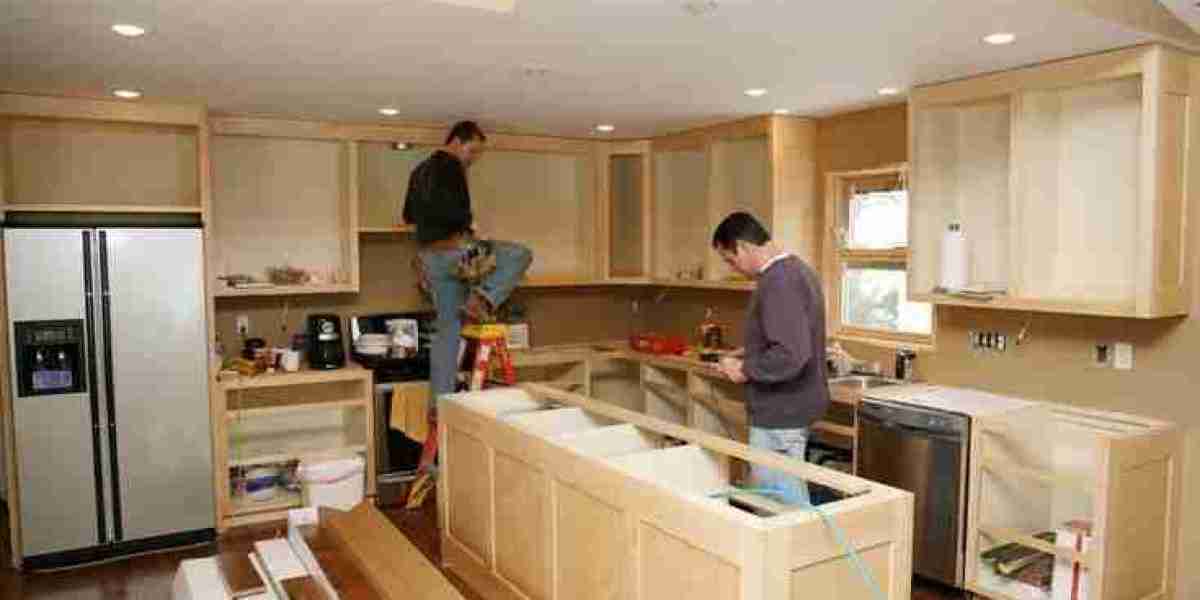
Cabinet installation may be only one part of a larger kitchen project. Plumbing, electrical work, flooring, countertops, painting, and other tasks may need to be completed in a particular sequence. A General Contractor Portland OR can coordinate different trades and help organize the overall remodeling schedule so that each stage works with the next.
Confirm Measurements Before Ordering
Accurate measurements are essential when cabinetry is being built or ordered for a specific kitchen. Wall dimensions, ceiling height, windows, doors, appliances, plumbing connections, and electrical locations should all be considered. Confirming these details before fabrication can reduce installation problems and help ensure that cabinets fit the intended layout.
Balance Beauty With Maintenance
Hardwood cabinets can create a distinctive appearance, but they still require routine care. Cleaning products should be suitable for the specific finish, and excessive moisture should be avoided. Spills around sinks and work areas should be wiped promptly. Following the manufacturer's care recommendations can help preserve the finish over time.
Think About Long-Term Function
Cabinet trends can change, but a kitchen needs to remain useful for years. Consider accessibility, drawer sizes, cabinet heights, storage capacity, and appliance locations rather than focusing only on current styles. A timeless cabinet design can provide a strong foundation while smaller elements such as hardware or lighting can be changed later.
Review the Complete Design
Before construction begins, review the cabinet layout, door styles, wood species, finishes, hardware, storage features, and appliance locations. Seeing how these components work together can reveal potential issues while changes are still manageable. Clear communication with the project team can also help keep expectations aligned throughout installation.
Protect the Finished Cabinets
Once cabinetry is installed, remaining construction should be performed carefully. Countertops, flooring, cabinet faces, and hardware can be protected while other work is completed. Keeping finished surfaces covered and the work area organized can reduce the possibility of scratches, stains, dust, or accidental damage during the final stages.
Create a Warm and Practical Kitchen
Hardwood cabinetry can combine natural character with practical storage when it is properly planned. Choosing suitable materials, organizing the layout, coordinating finishes, and managing installation carefully can help create a kitchen that feels welcoming and works efficiently. With attention to both appearance and everyday needs, the finished space can remain useful and attractive for years.