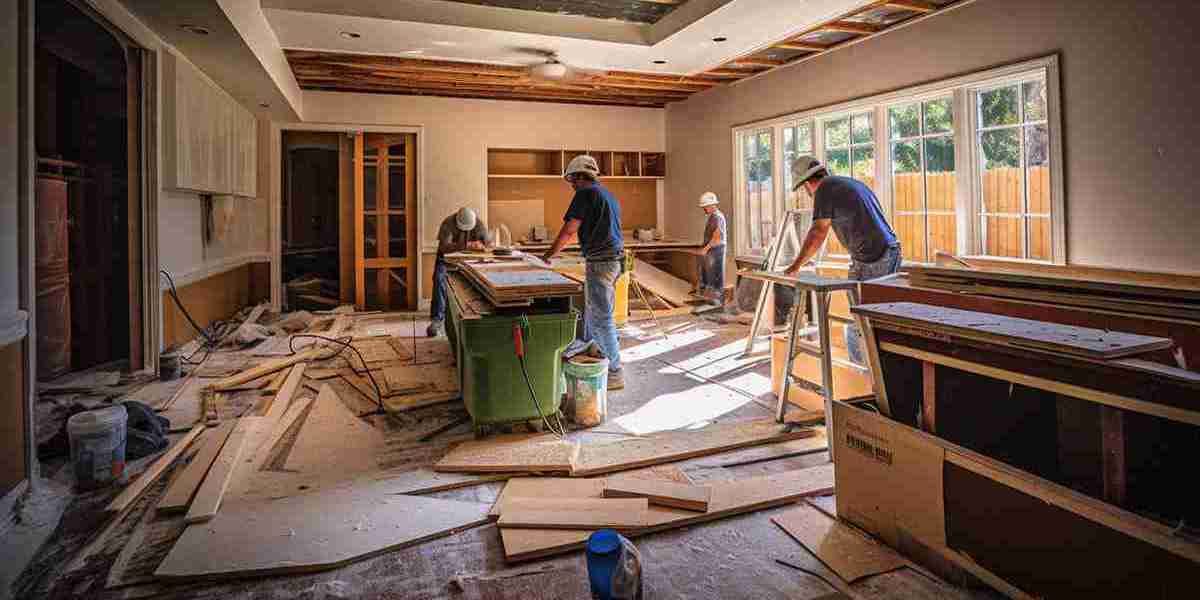

Building work involves many connected stages, from early planning and site preparation to structural work, finishing, and final inspections. A Construction Service can support the process by bringing different tasks together under an organized project plan. Before work begins, property owners should establish the purpose of the project, available space, expected timeline, materials, and overall scope. Site conditions and existing structures should also be reviewed because they can influence what work is possible. A clear plan makes it easier to coordinate different trades and avoid unnecessary changes during construction. It also provides a practical reference for decisions about materials, layouts, finishes, and other details as the project moves forward.
Prepare the Site Before Building Begins
Site preparation creates the foundation for the work that follows. Depending on the project, this stage may involve clearing unwanted materials, preparing the ground, arranging access, addressing drainage, and establishing suitable areas for construction activities. A Construction Service can include planning these early requirements so the site is ready before major work starts. Existing utilities, property boundaries, soil conditions, and nearby structures should be considered during preparation. Poorly planned site work can create delays later, particularly when access or drainage problems are discovered after construction has already begun. Taking time to organize the site provides a safer and more practical working environment and allows subsequent stages to progress with fewer interruptions.
Build Around the Structural Requirements
The structural portion of a project determines much of the building's strength and long-term performance. Foundations, framing, load-bearing walls, roofing structures, and other major components must be designed and installed according to the project's requirements. A Construction Service in Spring Valley can coordinate structural work while keeping the overall building plan in view. Existing properties require additional consideration because new construction may need to connect with older foundations, walls, floors, or utilities. Structural changes should be planned carefully rather than based only on appearance. Proper sequencing also matters because later installations often depend on the structure being completed correctly. A well-organized structural stage provides a solid base for the electrical, plumbing, insulation, and finishing work that follows.
Coordinate Plumbing and Electrical Work
Modern buildings depend on plumbing and electrical systems that must fit within the structure and planned room layouts. A Construction Service can coordinate these installations with framing, walls, ceilings, kitchens, bathrooms, and other areas where utilities are required. Electrical outlets, lighting, switches, water lines, drains, and fixtures should be planned before walls are closed. Making major changes after finishing work is complete can create unnecessary disruption and additional costs. Utility locations should also reflect how each room will actually be used. Kitchens may need carefully positioned outlets and water connections, while bathrooms require appropriate plumbing layouts. Coordinating these systems during construction helps keep the project organized and reduces conflicts between different stages of work.
Select Materials for the Intended Use
Materials influence the appearance, durability, maintenance needs, and cost of a completed building. Flooring, roofing, cabinets, wall finishes, doors, windows, insulation, fixtures, and exterior materials should all be selected according to where and how they will be used. A Construction Service can help organize material requirements as different stages of the project progress. Interior areas exposed to moisture need suitable materials, while high-traffic spaces may require surfaces designed for frequent use. Availability and lead times should also be considered because delayed materials can affect the construction schedule. Choosing materials based on practical requirements rather than appearance alone can create a finished space that remains useful and easier to maintain over time.
Create Interior Spaces That Work Well
Once the major structural and utility work is complete, interior construction can shape how people use the building. Walls, ceilings, doors, flooring, cabinets, lighting, and other features all contribute to the function of each room. A Construction Service can coordinate these elements so they work together rather than being treated as separate tasks. Room layouts should provide practical movement and enough space for furniture and everyday activities. Kitchens need useful work areas and storage, while bathrooms require appropriate fixture placement and ventilation. Living spaces may benefit from flexible layouts and suitable lighting. Considering daily use during construction can produce interiors that are comfortable and practical rather than focusing only on visual appearance.
Manage Renovation and Remodeling Projects
Construction work is not limited to newly built properties. Existing homes and commercial buildings may require additions, room changes, structural improvements, or complete renovations. A Construction Service can organize remodeling work around the property's existing structure and the owner's goals. Renovation projects often involve additional challenges because old materials, hidden utilities, and previous modifications may be discovered during construction. The scope should be reviewed carefully before demolition or major changes begin. It is also important to determine which areas can remain in use while work is underway. A well-planned renovation can update an older property while preserving useful features and improving the way the space functions.
Keep Safety and Building Requirements in Mind
Construction projects need to account for applicable building requirements, permits, inspections, and safety considerations. The specific requirements depend on the property's location, project type, and scope of work. A Construction Service should be planned with these obligations in mind so required approvals and inspections are not overlooked. Construction sites should also remain organized, with appropriate access controls and safe working practices. Materials, tools, equipment, and waste need to be managed throughout the project. Addressing these requirements early can reduce interruptions and help the project move through its different stages in an orderly manner. Careful planning also makes it easier to document important decisions and changes during construction.
Keep the Project Organized From Start to Finish
Construction involves many moving parts, including schedules, materials, workers, inspections, deliveries, and changing site conditions. A Construction Service can bring these elements together through organized scheduling and communication. Each stage should be completed in a logical sequence because delays in one area can affect several other tasks. Material deliveries need to arrive when they are required, while subcontractors need suitable access to the work areas. Regular progress checks can also reveal issues before they affect later stages. Keeping records of changes, materials, measurements, and completed work provides useful information throughout the project. Good organization does not eliminate every unexpected problem, but it can make the project easier to manage when changes arise.
Complete the Project With Long-Term Use in Mind
The final stage of construction is about more than completing visible finishes. Rooms, systems, fixtures, exterior areas, and structural components should all be reviewed before the property is considered ready for regular use. A Construction Service can help coordinate final adjustments, cleanup, inspections, and outstanding work. Property owners should also understand the care requirements for newly installed materials and systems. Small issues discovered during the final review are often easier to address before the project is fully closed. Thinking about future maintenance is equally important because a building needs ongoing care after construction ends. With thoughtful planning from the initial design through the final details, a construction project can create a practical property suited to its intended purpose.