
Maintaining Attractive Interior Walls
Interior walls experience everyday wear from furniture, moving items, children, moisture, and accidental impacts. Over time, these factors can leave behind dents, cracks, peeling areas, holes, or uneven patches. Addressing visible damage helps keep rooms looking clean and well maintained while also preparing surfaces for future decorating or improvement projects.
Identifying Different Types of Wall Damage
Wall Finish Repair Services in Lynchburg VA can address many surface problems that develop inside homes and commercial properties. Some walls may have small holes or scratches, while others can develop cracked finishes, loose material, or damaged texture. Understanding the condition of the surface helps determine the preparation and repair work required.
Why Surface Preparation Matters
Proper preparation is an important part of achieving a clean repair. Damaged or loose material may need to be removed before new material is applied. The surrounding surface should also be cleaned and examined for additional imperfections. Careful preparation helps repair compounds bond properly and makes the finished area easier to blend.
Repairing Cracks and Small Imperfections
Small cracks and surface imperfections can become more noticeable when light falls across a wall. Filling them without proper preparation may leave raised edges or visible lines. A careful repair process addresses the damaged area and smooths the surrounding surface. This creates a more even foundation for primer, paint, or decorative finishes.
Restoring Areas With Texture Damage
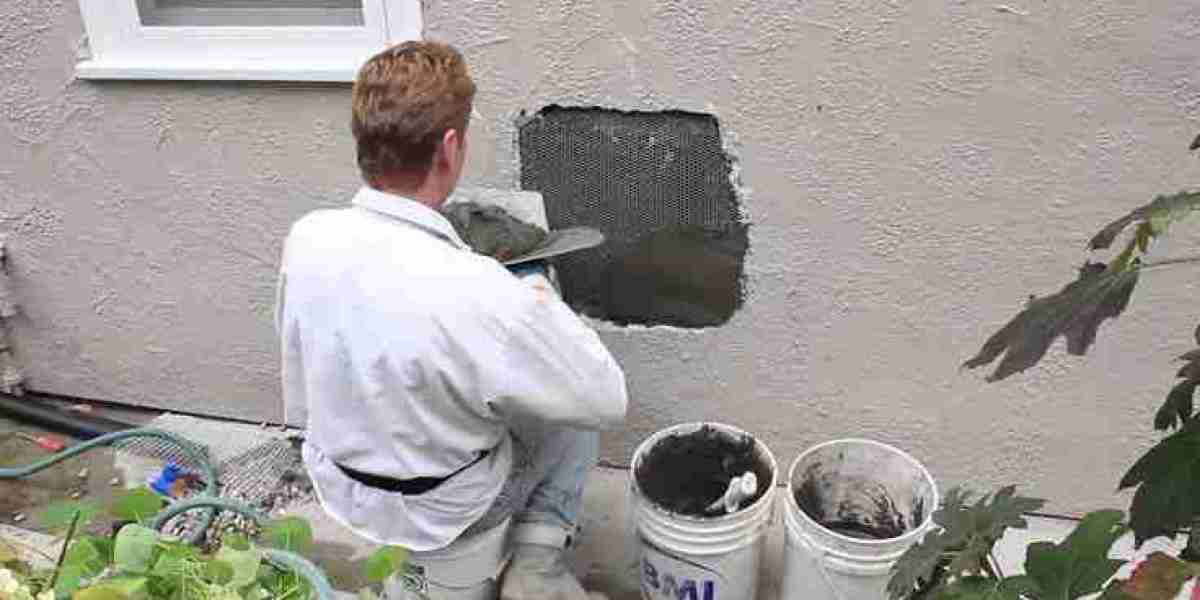
Textured walls require attention to more than basic filling and sanding. The repaired section may need to reproduce the pattern already present on the surrounding surface. Differences in texture can remain visible even after painting. Matching the existing appearance requires controlled application and careful finishing so the repaired section blends naturally into the room.
Preparing Walls Before Painting
Painting over damaged walls can make imperfections easier to notice instead of hiding them. Uneven patches, cracks, and dents may affect how paint reflects light across the surface. Completing repairs beforehand creates a more consistent base. It can also help reduce the appearance of old damage once fresh primer and paint are applied.
Handling Larger Damaged Sections
Not every wall problem is limited to a tiny hole or shallow dent. Larger damaged areas may require removal of compromised material, replacement sections, additional compound, sanding, and finishing. Drywall & Wall Repair Services can be useful when several types of surface damage are present and different repair techniques are needed within the same project.
Improving the Appearance of Living Areas
Walls are among the most noticeable surfaces in bedrooms, kitchens, hallways, offices, and common areas. Even relatively small imperfections can affect the overall appearance of these spaces. Repairing damaged finishes can create a cleaner visual impression and make the room feel more prepared for furniture changes, repainting, remodeling, or general interior maintenance.
Addressing Damage Before It Spreads
Some surface problems remain minor when handled early, while others may become more noticeable with continued wear. Peeling material, recurring cracks, or damaged areas should be examined rather than repeatedly covered with paint. Early attention allows property owners to understand the condition of the wall and select an appropriate approach before additional finishing work begins.
Creating a Smoother Finished Surface
Sanding is often an important step when repairing wall damage because excess material can create bumps or uneven transitions. The goal is not simply to fill an opening but to create a gradual connection between the repaired section and the original surface. Careful finishing helps reduce noticeable edges and supports a more uniform final appearance.
Considering Moisture-Related Problems
Moisture can contribute to peeling finishes, staining, soft areas, and recurring wall damage. Simply repairing the visible surface may not address the underlying source. When moisture is suspected, the affected area should be evaluated before cosmetic repairs are completed. Identifying the cause can help prevent the same problem from returning after the wall has been restored.
Keeping Repairs Consistent With the Room
A repaired wall should complement the existing interior rather than appear like an isolated patch. Color, texture, sheen, and surface condition can all influence how noticeable a repair becomes. Considering these details during the finishing process helps create better visual continuity and makes the restored section more suitable for the surrounding design.
Supporting Remodeling and Maintenance Plans
Wall repairs often become part of larger home improvement projects. Property owners may want to repaint a room, update trim, replace flooring, or change furniture after completing surface work. Restoring damaged walls beforehand can provide a cleaner starting point for those improvements and reduce the chance that old imperfections will distract from newly updated areas.
Choosing a Practical Repair Approach
Every damaged wall has different requirements based on its material, condition, location, and existing finish. A thoughtful approach begins by identifying the problem instead of immediately covering it. Proper preparation, suitable materials, controlled application, and careful finishing can all contribute to a cleaner result and help maintain attractive interior surfaces over time.
Keeping Interior Surfaces Well Maintained
Regularly checking walls can help property owners notice dents, cracks, peeling finishes, and other changes before they become more disruptive. Timely repairs support the appearance of the interior and can make future painting or remodeling easier. With appropriate care and attention, repaired surfaces can remain an attractive part of a well-maintained property.