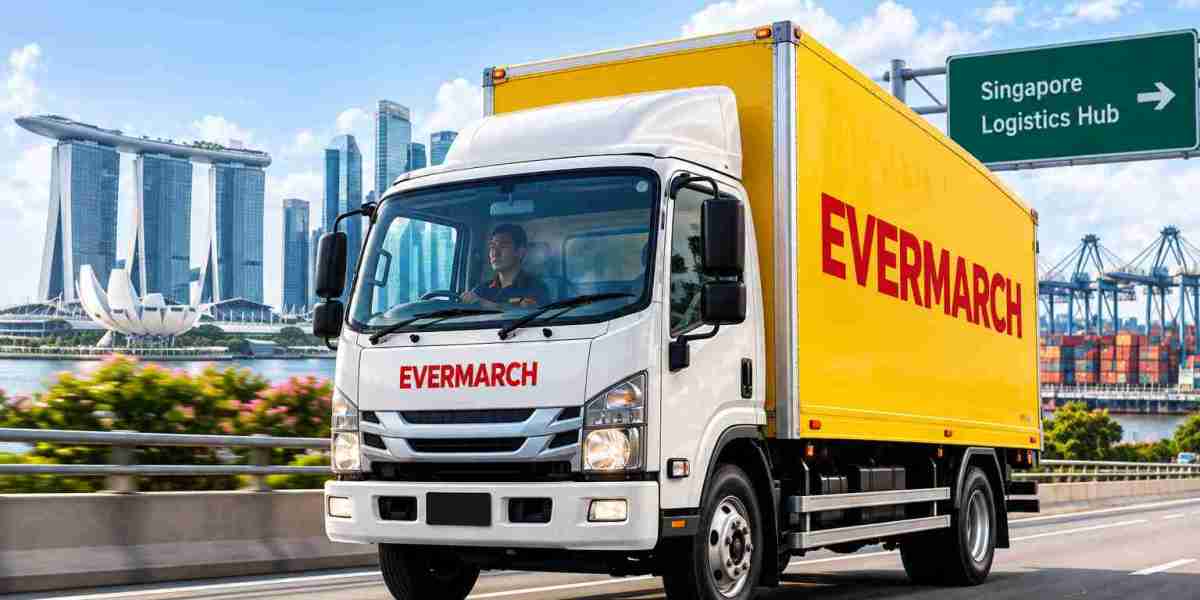

For many Singapore businesses, cargo is directly connected to daily operations. When materials arrive late, stock replenishment is delayed, equipment is not delivered on schedule or a customer shipment misses its expected arrival window, the problem can quickly extend beyond transportation.
This is especially important for companies moving goods between Singapore and Malaysia. Cross border cargo often supports suppliers, warehouses, factories, distributors, construction projects and customers across both markets. A delay in one part of the movement can create pressure on several other parts of the business.
That is why choosing a dependable cross border trucking service Singapore businesses can work with consistently is not simply a transport decision. It is part of building a logistics process that supports business continuity.
Why Singapore Businesses Depend on Reliable Cargo Movement
Singapore is a highly connected business hub where companies often operate across multiple locations and markets. A business may source products from one location, store them in another and deliver them to customers or project sites in a different country.
For companies working with Malaysia, road transportation provides an important connection between the two markets. Manufacturers, distributors, suppliers and other businesses may need to move cargo regularly rather than occasionally.
When transportation is properly coordinated, cargo can move as part of the normal business workflow instead of becoming a separate operational problem for the internal team.
Cross Border Trucking Is More Than a Delivery From Point A to Point B
A successful shipment starts before the truck arrives at the collection point.
The logistics provider needs to understand what is being transported, where the cargo is collected, where it is going and whether there are any special requirements that could affect the movement.
Cargo details such as weight, dimensions, packaging and quantity can influence transportation planning. The final delivery location also matters because warehouses, factories and project sites can have different access and receiving requirements.
This is why businesses should look for a logistics provider that understands the complete movement rather than simply providing a vehicle.
What Can Go Wrong When Cargo Planning Is Too Basic?
Many logistics problems are not caused by the actual journey. They begin with incomplete information before the shipment starts.
A missing delivery detail, inaccurate cargo dimensions or unclear receiving instructions can create additional coordination work later. If the shipment involves unusual cargo, the consequences can be even more significant.
For Singapore businesses with tight operating schedules, these small issues can consume valuable time.
The solution is simple in principle: provide complete shipment information as early as possible and work with a logistics provider that knows what questions to ask.
The Importance of Accurate Cargo Information
Every shipment has its own requirements.
A logistics provider should know whether the cargo consists of cartons, pallets, machinery, industrial equipment, building materials or other commercial goods. Weight and dimensions are particularly important when the cargo is large or unusually shaped.
Businesses should also communicate whether the goods require special handling.
Accurate information allows the transportation arrangement to be planned around the cargo instead of forcing the cargo into a generic transportation model.
Information to Prepare Before Booking
Singapore businesses can make the booking process easier by preparing:
Cargo description
Quantity and number of packages
Weight
Dimensions
Packaging details
Singapore collection address
Malaysia delivery address
Collection requirements
Receiving contact
Preferred timing
Special handling requirements
Relevant commercial documents
A clear information set gives both sides a stronger starting point.
Why the Final Delivery Deserves More Attention
Getting cargo across the border is only part of the job.
The actual objective is usually to get the goods to a specific warehouse, factory, customer, distribution centre or project site in Malaysia.
A shipment can reach the destination area and still encounter problems if the receiving party is unavailable or the delivery instructions are incomplete.
Before the truck leaves Singapore, businesses should confirm who will receive the cargo, where the truck should report and whether there are any site-specific requirements.
This simple step can make the final handover much smoother.
Cross Border Trucking for Singapore SMEs
Small and medium-sized enterprises often have fewer logistics resources than larger organisations. The same person may be handling purchasing, warehouse coordination, customer communication and shipment arrangements.
For SMEs, a logistics provider that can communicate clearly and understand the shipment requirements can reduce some of the administrative burden.
This is particularly useful when a business is expanding its customer base in Malaysia or beginning to move cargo across the border more regularly.
The objective is not to make logistics complicated. It is to create a process that the business can repeat confidently.
Cross Border Trucking for Manufacturers and Suppliers
Manufacturers and suppliers may have more structured transportation needs.
Components, raw materials, finished products and equipment may need to move between locations according to production or customer requirements. In these situations, transportation reliability becomes closely connected to inventory and operational planning.
Recurring shipments can benefit from standard processes, especially when collection points and destinations remain relatively consistent.
A logistics provider can work more effectively when it understands the company's typical shipment pattern rather than receiving isolated information for every booking.
Cross Border Trucking for Project Cargo
Project cargo requires a different level of planning.
Construction materials, industrial machinery, factory equipment and other large items may require special attention before collection. Dimensions, weight, loading conditions and delivery site access should be communicated early.
The destination also needs to be considered.
A project site may have specific delivery windows or access conditions that differ from a conventional warehouse. These details should be included in the transportation discussion before the shipment is confirmed.
When Cargo Consolidation Makes Sense
Not every business has enough cargo to fill a dedicated truck.
For smaller shipments, cargo consolidation may be an option depending on the cargo characteristics, destination and timing. Suitable shipments can potentially be combined into a larger movement.
This can be useful for Singapore businesses that send smaller quantities to Malaysia regularly.
Rather than automatically choosing dedicated transportation for every shipment, businesses can discuss their typical cargo volume with a logistics provider and determine which arrangement makes sense for each situation.
Documentation Should Be Prepared Early
Cross border transportation requires businesses to pay attention to documentation as well as physical cargo.
Commercial invoices, packing information and transport documents may form part of the shipment process, while additional documentation or permits can depend on the goods and applicable requirements.
The key is consistency.
Cargo information should be accurate and should correspond with the relevant documents. For regular shipments, businesses can create an internal checklist so important information is reviewed before every collection.
Why Communication Matters Between Singapore and Malaysia
Cross border cargo can involve several different parties.
The Singapore sender, warehouse team, logistics provider and Malaysia receiving party all need to work from the same shipment information.
A clear communication process can prevent unnecessary confusion when delivery instructions change or additional information needs to be confirmed.
Businesses should identify the main contact for each shipment and make sure the receiving party knows when the cargo is expected.
How to Choose a Cross Border Trucking Service in Singapore
When comparing providers, businesses should look beyond a simple transportation quotation.
Consider whether the provider understands Singapore Malaysia cargo movements, has experience with different cargo types and can support the delivery requirements of your business.
It is also worth asking how the provider handles recurring shipments, consolidated cargo and oversized or project cargo if those services are relevant to your operations.
Questions Worth Asking
Before booking, ask:
Does the provider regularly handle Singapore Malaysia cargo?
Experience with the route and type of shipment can help with practical planning.
Can they handle my type of cargo?
Confirm whether your cargo requirements are suitable for the proposed transportation arrangement.
What information do they need before providing a quotation?
A provider should be able to explain the key details required to assess the shipment.
Can they support recurring deliveries?
If your business ships regularly, consistency can be more valuable than arranging every shipment from scratch.
How will collection and delivery be coordinated?
Clear communication is essential when multiple locations and parties are involved.
Build a Repeatable Logistics Process
Businesses that regularly ship between Singapore and Malaysia can benefit from standardising their process.
Create a shipment checklist, keep common addresses and contacts updated, maintain standard documentation procedures and record recurring cargo requirements.
This makes it easier for your internal team to prepare future shipments and provides the logistics provider with clearer information.
Over time, a repeatable process can turn cross border trucking from an occasional administrative headache into a predictable part of daily operations.
Frequently Asked Questions About Cross Border Trucking Singapore
What is cross border trucking Singapore?
Cross border trucking Singapore refers to road transportation services that move cargo from Singapore across an international border, commonly to Malaysia. It is widely used for commercial and business-related cargo movements.
What businesses use cross border trucking services?
Manufacturers, suppliers, distributors, wholesalers, construction companies, trading businesses and SMEs can all use cross border trucking depending on their cargo and delivery requirements.
Can cross border trucking be used for regular shipments?
Yes. Businesses with recurring cargo movements can establish a more structured transportation process covering collection, documentation, transportation and final delivery.
Can smaller shipments use cross border trucking?
Yes. Depending on the shipment, cargo consolidation may provide an alternative when the cargo volume does not require a dedicated truck.
Can oversized cargo be transported from Singapore to Malaysia?
Oversized cargo can require specialised planning based on its weight, dimensions, loading conditions and destination requirements. These details should be provided before transportation is arranged.
What should I prepare before contacting a trucking company?
Prepare your cargo description, quantity, weight, dimensions, collection address, delivery address, preferred timing, receiving contact and relevant documents. Complete information helps the logistics provider assess the shipment properly.
Keep Your Singapore Malaysia Cargo Moving With the Right Logistics Partner
Reliable cross border trucking is about more than moving a truck from Singapore to Malaysia. It is about making sure cargo information, documentation, collection, transportation and final delivery are properly coordinated.
For Singapore businesses, having a logistics partner that understands these requirements can make recurring and project-related cargo movements easier to manage.
Evermarch provides logistics solutions for businesses moving cargo between Singapore and Malaysia, including commercial cargo, consolidated shipments and project or oversized cargo. With the right planning, businesses can create a more organised transportation process that supports their wider supply chain.
If your business needs cross border trucking services Singapore for regular cargo, Malaysia deliveries or project shipments, speak with Evermarch about your requirements. From the first collection details to the final delivery, the right logistics planning can help keep your business moving.