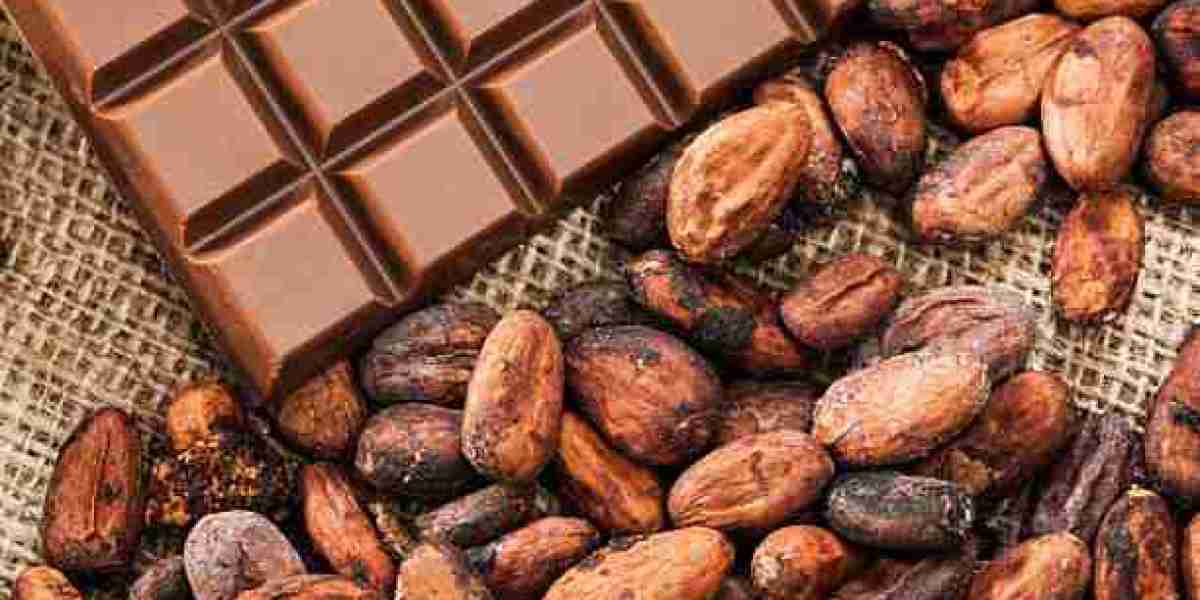

Bean-To-Bar Chocolate Market is gaining attention as consumers increasingly explore chocolate products that emphasize craftsmanship, transparency, quality, and distinctive flavor experiences. Unlike conventional chocolate production models that may involve multiple specialized stages across different suppliers, the bean-to-bar approach generally gives producers greater involvement in transforming cocoa beans into finished chocolate. This allows manufacturers and craft chocolatiers to pay closer attention to sourcing, roasting, grinding, refining, conching, and other stages of production. Growing interest in product origin and manufacturing stories is also encouraging brands to communicate more openly about how chocolate is produced. These trends are contributing to greater consumer awareness and supporting continued innovation across the premium chocolate sector.
The growing interest in craft chocolate production methods is encouraging manufacturers to focus more closely on production control and product differentiation. Bean-to-bar producers can make decisions across multiple stages of chocolate manufacturing, allowing them to influence texture, aroma, flavor balance, and overall product character. This greater involvement can also support experimentation with roasting profiles, refining techniques, and finished-product formats. Consumers interested in premium chocolate may increasingly value these production details because they provide a clearer connection between the cocoa bean and the final product. As craft chocolate continues developing, production transparency and specialized manufacturing approaches are becoming important elements of brand identity.
Consumer interest in traceability is another factor influencing the industry. Chocolate buyers are increasingly curious about where cocoa originates and how it reaches the final product. This has encouraged manufacturers to communicate information about sourcing regions, farming communities, supply-chain practices, and production methods. Traceability can help brands create stronger relationships with consumers while supporting greater awareness of cocoa production. Producers may also work more closely with suppliers and farming communities to understand crop characteristics and sourcing conditions. Such relationships can contribute to product differentiation, particularly when chocolate is associated with a specific geographical origin or distinctive flavor profile. Greater supply-chain visibility is therefore becoming an important consideration within premium chocolate development.
Sustainability is closely connected with the evolution of the bean-to-bar segment. Cocoa production involves environmental and social considerations, encouraging chocolate businesses to examine responsible sourcing practices and supply-chain relationships. Producers may explore approaches involving farmer partnerships, responsible procurement, environmental stewardship, and improved supply-chain transparency. Packaging is another area where brands can consider sustainability, particularly as consumers become more aware of waste and material use. Craft chocolate companies may also emphasize production efficiency and responsible resource management. These efforts can contribute to a broader brand narrative centered on quality and responsibility. As sustainability becomes more relevant to purchasing decisions, chocolate manufacturers are increasingly incorporating environmental and social considerations into their business strategies.
Product innovation is also creating new opportunities within the sector. Bean-to-bar producers can experiment with roasting techniques, cocoa origins, texture profiles, chocolate formats, and flavor combinations to create distinctive products. Small-batch production can provide flexibility for testing new concepts and responding to changing consumer interests. Seasonal collections, limited releases, specialty bars, and origin-focused products can further support differentiation. Consumers may be attracted to chocolate that offers a unique sensory experience or a stronger connection to craftsmanship. This environment encourages producers to combine traditional chocolate-making techniques with modern product development. Innovation is therefore becoming an important part of how bean-to-bar brands establish recognizable identities in competitive markets.
Technology is supporting improvements throughout the production process. Modern roasting, grinding, refining, conching, tempering, and packaging equipment can help producers achieve greater consistency while maintaining craft-oriented production characteristics. Digital tools can also assist with production monitoring, inventory management, quality control, and supply-chain documentation. Smaller producers may benefit from technologies that make specialized production more efficient without eliminating the artisanal character of their products. As manufacturing capabilities improve, businesses can potentially expand product ranges while maintaining closer control over quality. The integration of traditional craftsmanship with modern production technology is creating new possibilities for the bean-to-bar chocolate industry.
The future outlook for the Bean-To-Bar Chocolate Market is closely connected with premiumization, traceability, sustainability, craftsmanship, and product innovation. Consumers are likely to continue exploring chocolate products that offer distinctive sensory experiences and clearer information about sourcing and production. Manufacturers may increasingly focus on direct relationships within cocoa supply chains while investing in specialized production capabilities. Digital communication can further strengthen transparency by helping brands share detailed information about origins, manufacturing processes, and sustainability practices. At the same time, technological improvements may help craft producers increase consistency and operational efficiency. As these trends continue to develop, bean-to-bar chocolate is likely to remain an important area of innovation within the broader premium chocolate industry.
FAQs
Q1. What is bean-to-bar chocolate?
Bean-to-bar chocolate is produced through a process in which the chocolate maker has greater control over transforming cocoa beans into finished chocolate.
Q2. Why is traceability important in chocolate production?
Traceability can provide greater visibility into cocoa origin, sourcing practices, and supply-chain relationships, helping brands communicate product information more transparently.
Q3. What is encouraging innovation in the bean-to-bar segment?
Consumer interest in craftsmanship, distinctive flavors, sustainability, origin transparency, and premium chocolate experiences is supporting innovation.