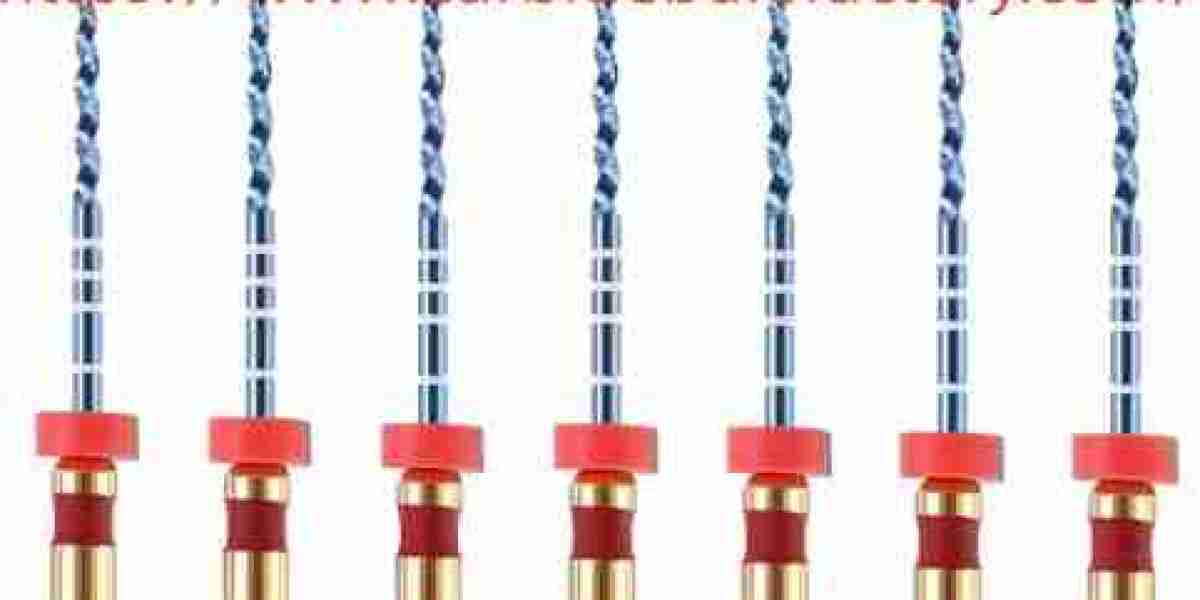

Rotary Files Factory selection requires buyers to understand their application needs, product specifications, and supplier capabilities before making a purchasing decision. Carbide cutting tools can be used for shaping, deburring, edge treatment, and surface processing, but different working conditions may require different designs. A practical evaluation should include product dimensions, material options, manufacturing methods, inspection procedures, and communication support.
Understand the Application Requirements
Before contacting a supplier, buyers should define the purpose of the tool. The workpiece material, processing area, equipment type, and expected working conditions can all influence the final selection.
Different head profiles are designed for different processing situations. Cylindrical, ball, oval, flame, tree, and conical shapes can provide different contact methods depending on the working surface.
Providing detailed application information helps manufacturers understand the actual requirement. Buyers can prepare information such as workpiece material, required dimensions, machine specifications, and processing environment before starting discussions.
Check Product Dimensions Carefully
Dimension accuracy is an important part of supplier evaluation. Buyers should confirm cutting diameter, cutting length, shank diameter, and total length according to their equipment requirements.
Shank compatibility should receive particular attention because different machines may require different sizes. The product range from carbidebursfactory includes various configurations, including metric options and different shank specifications for different applications.
When purchasing multiple models, buyers can create a detailed specification list containing product codes, sizes, drawings, and quantity requirements. This approach can reduce confusion during quotation and production stages.
Compare Available Designs
Product design is closely related to practical performance. Buyers should compare different shapes and structures according to their working tasks instead of selecting products only by appearance.
For example, curved surfaces, narrow areas, flat sections, and detailed edges may require different profiles. Reviewing technical drawings and discussing the intended application with the manufacturer can help buyers identify suitable options.
A clear comparison of product structures also makes future repeat orders easier because purchasing teams can keep accurate records of approved specifications.
Review Cutting Structure Options
The cutting structure influences how the tool interacts with different materials. Buyers should consider the workpiece type, required finish, removal requirements, and operating conditions when selecting a suitable configuration.
Steel, stainless steel, aluminum, cast materials, and other substrates may require different approaches. A supplier should be able to explain available choices according to the buyer’s specific application.
Testing samples before larger purchases can provide useful information. Buyers can check dimensions, compatibility, surface results, and overall suitability under their own working conditions.
Consider Extended Reach Requirements
Some machining projects involve deep areas or locations that are difficult to access. In these situations, buyers may need products with extended shank designs.
Longer shank options can provide additional reach, but buyers should evaluate the complete structure rather than only looking at length. Head size, overall measurement, equipment compatibility, and working conditions should all be considered together.
carbidebursfactory provides different product categories for buyers to review, including standard configurations, extended reach options, and solid carbide solutions for various machining requirements.
Examine Material and Production Information
Material selection is another point buyers should discuss with manufacturers. The relationship between tool material, workpiece material, and operating conditions can influence the final application result.
Buyers can ask about production processes, dimensional control, inspection procedures, and sample approval methods before confirming an order.
A manufacturer that can provide clear technical information helps buyers better understand how products are produced and how specifications are maintained during manufacturing.
Evaluate Quality Control Procedures
Quality control should be part of the supplier evaluation process. Buyers can ask how important measurements are checked and how finished products are reviewed before shipment.
Inspection points may include dimensions, surface condition, cutting edges, product appearance, and packaging details.
For repeat purchasing, maintaining consistent product information is useful. Approved samples, technical drawings, and inspection records can provide a reference for future orders.
Discuss Custom Requirements
Some buyers may need customized solutions rather than standard products. Custom requirements can involve special dimensions, different packaging, labeling, or specific production arrangements.
Clear communication is important when discussing customization. Buyers should provide drawings, samples, quantities, and application details whenever possible.
This information allows the manufacturer to evaluate the request more accurately and provide feedback based on realistic production conditions.
Review Supplier Communication
Communication quality can influence the purchasing experience, especially for international orders. Buyers should consider whether technical questions receive clear answers and whether product information is recorded correctly.
Important details such as specifications, packaging, delivery arrangements, and inspection requirements should be confirmed before production begins.
A structured communication process helps both sides maintain the same understanding throughout the project.
Compare the Overall Purchasing Process
Choosing a supplier involves reviewing multiple factors together. Buyers can compare product range, technical information, manufacturing capability, inspection methods, customization support, and communication efficiency.
A complete evaluation process allows buyers to make decisions based on their actual requirements instead of focusing on a single factor.
For buyers who want to review available carbide cutting tool categories, product specifications, and configuration options, the product page at https://www.carbidebursfactory.com/product/ provides a direct reference. Buyers can check available solutions there and prepare detailed requirements for future discussions with the manufacturer.