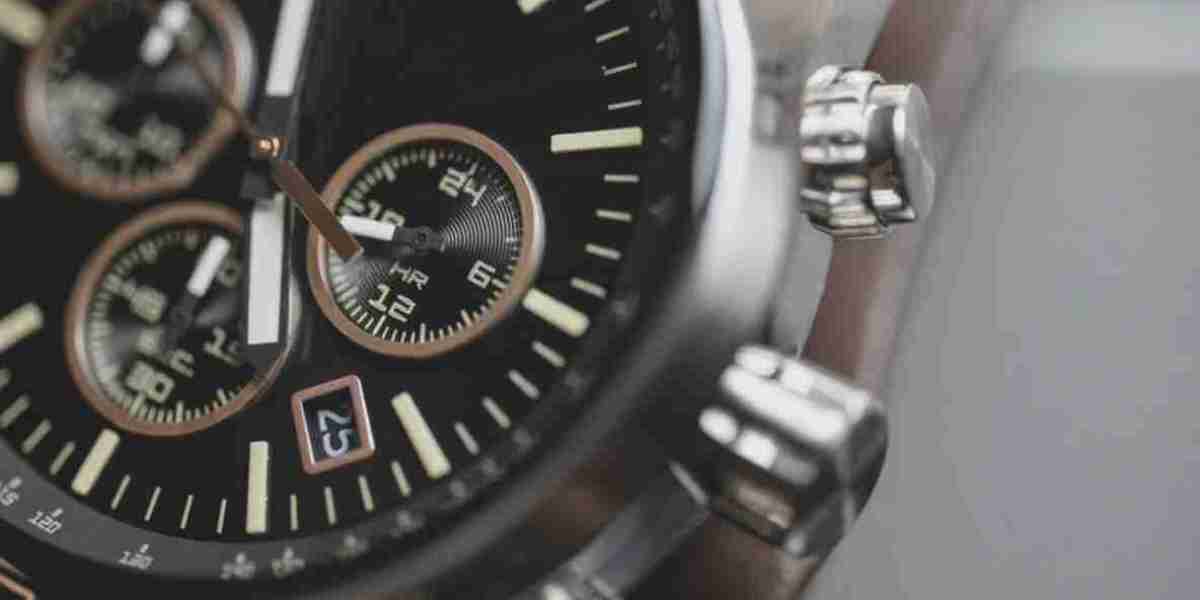

A good watch can be more than a tool for telling time. It can complement your clothing, reflect your personality, and become an everyday accessory that you rely on for years. With countless styles, materials, movements, and features available, finding the right watch can feel challenging, especially if you are buying one for the first time.
Watches for men are available in designs ranging from classic dress watches to sporty chronographs and durable everyday timepieces. Understanding the main differences can help you choose a watch that matches your lifestyle, wardrobe, and personal preferences.
Why Choose the Right Watch?
The right watch should balance appearance, comfort, functionality, and durability.
A formal watch may look excellent with a suit but feel out of place with casual clothing. Similarly, a large sports watch may be useful for outdoor activities but may not be ideal for a formal occasion.
Thinking about how you will actually use the watch is one of the easiest ways to narrow down your choices.
What Are the Main Types of Men's Watches?
There are several popular categories to consider:
- Dress watches
- Dive watches
- Field watches
- Pilot watches
- Chronograph watches
- Sports watches
- Everyday watches
- Smartwatches
Each category has its own design characteristics and practical features.
Dress Watches
Dress watches are generally designed with simplicity and elegance in mind.
They often feature slim cases, clean dials, and leather straps or refined metal bracelets. Their understated appearance makes them suitable for formal events, business clothing, and evening occasions.
If you frequently wear suits or formal outfits, a classic dress watch can be a useful addition to your collection.
Dive Watches
Dive watches are designed around water resistance and legibility.
They commonly feature rotating bezels, luminous markers, and robust cases. Even if you never go diving, their durable construction and sporty appearance can make them popular everyday choices.
When considering a dive watch, check its specific water-resistance rating and intended use.
Field Watches
Field watches traditionally emphasize readability and practicality.
They often have straightforward dials, clear numerals, and durable cases. Their simple appearance makes them easy to wear with jeans, casual shirts, jackets, and other everyday clothing.
A field-style watch can be a good option if you prefer functional designs without excessive decoration.
Chronograph Watches
Chronographs include additional timing functions, typically operated through pushers on the side of the case.
They can provide a more technical and sporty appearance. Some models feature multiple sub-dials, creating a more detailed dial design.
If you enjoy watches with additional functionality and visual complexity, a chronograph may suit your style.
Sports Watches
Sports watches generally prioritize durability, comfort, and practical features.
Depending on the model, they may include enhanced water resistance, rugged cases, luminous displays, or specialized timing functions.
Choose one based on your actual activities rather than selecting features you may never use.
Everyday Watches
An everyday watch should be versatile enough to work with different outfits and situations.
A medium-sized stainless steel watch with a clean dial can often transition between casual, professional, and social settings.
Neutral colors can also make everyday styling easier.
Mechanical vs Quartz Watches
Movement type is one of the most important decisions when buying a traditional watch.
Mechanical Watches
Mechanical watches use a network of components powered by a mainspring.
Automatic mechanical watches can wind themselves through wrist movement, while manual-wind watches require winding by hand.
Many enthusiasts appreciate mechanical watches because of their traditional construction and craftsmanship.
Quartz Watches
Quartz watches use an electronic movement powered by a battery.
They are generally known for convenient operation and accurate timekeeping. They can be a practical choice if you want a watch that requires relatively little daily attention.
Automatic Watches
Automatic watches are a type of mechanical watch.
A rotor inside the movement moves as the watch is worn, helping wind the mainspring. If the watch is left unworn long enough, it may stop once its stored energy runs out.
For people who enjoy traditional mechanical watchmaking, an automatic watch can offer an engaging ownership experience.
Choosing the Right Case Size
Case size affects both appearance and comfort.
A smaller case can create a subtle, traditional appearance, while a larger case can make a stronger visual statement.
Your wrist size is useful to consider, but personal preference also matters. The watch should sit comfortably without feeling excessively heavy or awkward.
Consider Case Thickness
Two watches with the same diameter can feel completely different if one is significantly thicker.
Slim watches can work particularly well with formal clothing because they can slide easily beneath a shirt cuff.
Thicker watches may be better suited to casual or sports-oriented outfits.
Choosing the Right Strap
The strap can dramatically change a watch's appearance.
Leather Straps
Leather straps often provide a classic and sophisticated appearance. They work especially well with dress watches.
Stainless Steel Bracelets
Metal bracelets are durable and versatile. They can work with both casual and professional clothing.
Fabric and Other Straps
Fabric straps can create a more relaxed appearance and are often associated with field and casual watches.
Consider your lifestyle and how frequently you expect to change straps.
Choosing the Right Dial
Dial design affects readability and overall style.
A simple dial can look timeless and sophisticated, while multiple sub-dials or complications can create a sportier and more technical appearance.
Consider whether you prefer large numerals, applied markers, luminous hands, date displays, or minimalist designs.
Selecting the Right Watch Color
Watch color should work with your wardrobe and other accessories.
Black and silver are versatile choices. Blue can add personality while remaining relatively easy to style. Gold-tone watches can create a warmer and more traditional appearance.
You can also consider the jewelry and accessories you already wear when choosing the case and bracelet finish.
Watch Size and Wrist Proportion
A watch should look balanced on your wrist.
A very large case can dominate a smaller wrist, while a very small watch may look understated on a larger wrist.
Try different sizes if possible and pay attention to both the visual proportions and how the watch feels during movement.
Water Resistance
Water resistance is an important feature to understand before buying.
Different ratings indicate different levels of protection, and water resistance does not mean every watch is suitable for swimming or diving.
Check the manufacturer's specifications and follow the recommended usage.
Consider the Crystal
The crystal protects the watch dial.
Common materials include mineral crystal and sapphire crystal. Sapphire is highly scratch resistant and is commonly found on many premium watches.
Mineral crystal can offer a practical balance between durability and cost.
Think About Watch Accuracy
Accuracy varies according to movement type and individual watch.
Quartz watches are generally chosen when highly consistent timekeeping is important. Mechanical watches can experience greater daily variation due to the nature of their movements.
If you want the convenience of setting your watch less frequently, consider how much accuracy matters to you.
Consider Your Lifestyle
Your lifestyle should influence the watch you choose.
If you work in an office, a dress or everyday watch may suit your needs. If you spend considerable time outdoors, a durable sports or field-style watch may be more appropriate.
For frequent travel, you may also want to consider features such as additional time zones.
Watches for Business and Professional Wear
For professional settings, simplicity can be highly versatile.
A clean dial, moderate case size, and stainless steel bracelet or leather strap can complement business clothing without becoming distracting.
If you regularly attend formal meetings, presentations, or corporate events, consider a refined design that works with your professional wardrobe.
Watches for Casual Wear
Casual watches allow greater flexibility.
Sports watches, field watches, chronographs, and simple everyday designs can all work with casual clothing.
You can also experiment with different straps to change the appearance of the same watch.
Watches for Special Occasions
For weddings, formal dinners, and other special occasions, consider a watch that complements rather than competes with your outfit.
A slim dress watch with a clean dial can provide a polished finishing touch.
The metal and strap should also coordinate naturally with your other accessories.
Consider Your Budget
Set a budget before you begin shopping.
There are quality options across a wide range of price points. Rather than focusing only on brand recognition, consider the movement, materials, construction, features, warranty, and overall design.
A watch that fits your needs and receives regular wear may provide more practical value than an expensive watch that rarely leaves the box.
What Should You Check Before Buying?
Before purchasing, consider:
| Feature | What to Consider |
|---|---|
| Movement | Quartz, automatic, or manual |
| Case size | Proportional to your wrist |
| Case material | Stainless steel, titanium, or other materials |
| Crystal | Sapphire, mineral, or other options |
| Strap | Leather, metal, fabric, or other materials |
| Water resistance | Appropriate for your intended use |
| Dial | Easy to read and suitable for your style |
| Complications | Date, chronograph, GMT, and other functions |
| Comfort | Weight, thickness, and fit |
| Budget | Total cost and long-term value |
How to Find the Right Watch
Start with your lifestyle and intended use.
If you need one watch for almost everything, prioritize versatility, comfort, durability, and a neutral design. If you already own an everyday watch, you can choose a more specialized piece for formal events, sports, or collecting.
Next, decide on the movement, case size, strap, dial, and features. Comparing these elements together can make the buying process much easier.
How to Care for Your Watch
Proper care can help preserve a watch's appearance and performance.
Keep it away from unnecessary impacts, extreme temperatures, and conditions outside its intended specifications. Clean the case and bracelet using appropriate materials.
Mechanical watches may require periodic servicing, while quartz watches will eventually need battery replacement.
Always follow the manufacturer's care recommendations for your specific model.
Final Thoughts
Choosing among the many watches for men available today becomes easier when you focus on how you actually plan to use the watch. Dress watches, field watches, dive watches, chronographs, sports watches, and everyday designs all serve different purposes.
Consider the movement, case size, thickness, materials, crystal, strap, water resistance, dial, features, and budget before making your decision. Most importantly, choose a watch that feels comfortable and naturally fits your wardrobe.
A well-chosen watch can become an everyday companion, a professional accessory, or a meaningful part of a growing collection. Taking the time to compare your options can help you find a timepiece that suits both your practical needs and personal style.
FAQs
What type of watch is best for men?
The right type depends on your lifestyle and intended use. Dress, field, dive, chronograph, sports, and everyday watches can all be suitable for different needs.
Are automatic watches better than quartz watches?
They offer different advantages. Automatic watches appeal to people who appreciate mechanical craftsmanship, while quartz watches are generally convenient and known for accurate timekeeping.
What watch size should men choose?
Choose a case size that feels comfortable and looks balanced on your wrist. Wrist proportions and personal preference should both be considered.
What is the best watch for everyday wear?
A versatile watch with a comfortable case size, durable construction, readable dial, and neutral styling can work well for everyday use.
What should I consider before buying a men's watch?
Consider movement, case size, materials, crystal, strap, water resistance, dial design, features, comfort, maintenance, and budget.