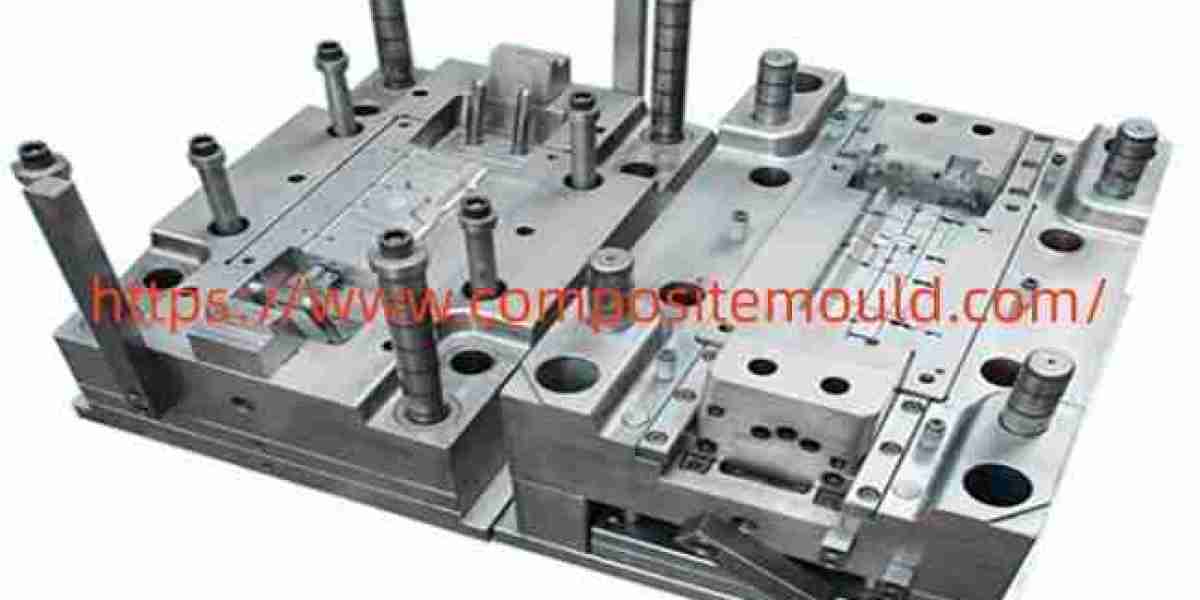

SMC Mould is an important tooling solution for companies producing composite components that require accurate forming processes and stable production support. Before selecting a supplier, buyers should review project requirements, engineering communication, manufacturing experience, and service processes to ensure the tooling plan matches their application needs.
Review Product Requirements Before Starting a Project
A clear understanding of product requirements is an important step before tooling development. Buyers should prepare detailed information such as product drawings, 3D models, dimensions, surface expectations, and production targets.
Different composite components may have different structural designs. Features including curved surfaces, reinforcement areas, openings, and complex shapes can influence tooling design. Early communication between buyers and engineers helps identify possible challenges and allows both sides to discuss suitable approaches.
A reliable supplier should not only focus on manufacturing but also understand the relationship between product design and production conditions. Careful planning at the beginning can help reduce adjustments during later stages.
Check Engineering Support and Manufacturing Experience
Tooling development involves multiple technical factors, including structural design, material characteristics, temperature control, and testing procedures. Buyers should evaluate whether a supplier has experience handling different project requirements.
Engineering support is especially important when products have specific performance or appearance expectations. A professional team can review design details and provide suggestions based on manufacturing conditions.
compositemould provides composite tooling solutions and focuses on helping customers connect product concepts with practical production requirements. Through communication during the project process, buyers can gain a clearer understanding of design options and manufacturing arrangements.
Consider Material Features and Production Conditions
Before confirming a tooling project, buyers should consider the materials used, production equipment, expected output, and application environment.
Material behavior can influence forming results. Factors such as curing conditions, shrinkage, surface requirements, and dimensional control should be discussed before production begins.
Buyers can prepare questions about:
Material compatibility
Production quantity requirements
Equipment conditions
Inspection standards
Maintenance considerations
These details allow suppliers to create a more suitable project plan and improve communication efficiency between both parties.
Evaluate Testing and Quality Management
Testing is an important stage for verifying whether tooling meets production expectations. Buyers should understand how suppliers manage trial processes, inspection methods, and adjustment procedures.
During testing, attention can be given to product dimensions, surface quality, forming performance, and production stability. Clear feedback between buyers and suppliers helps complete necessary improvements before regular manufacturing.
Quality management also includes documentation and communication records. These materials can support future maintenance and provide useful information when production requirements change.
Review Communication and Long-Term Cooperation
Good communication supports smoother project development. Buyers should select a supplier that can provide clear responses, discuss technical details, and share updates during different project stages.
A successful tooling project often requires cooperation between designers, engineers, and production teams. Accurate information exchange helps both sides understand expectations and make decisions based on actual requirements.
compositemould works with customers to provide composite tooling services for different applications. Buyers can visit https://www.compositemould.com/product/ to review related product solutions and learn more about available options.Choosing suitable tooling requires careful consideration of design information, material conditions, engineering support, testing procedures, and supplier communication. By reviewing these factors before making a decision, buyers can create a clearer project plan and build a reliable foundation for future composite manufacturing needs.