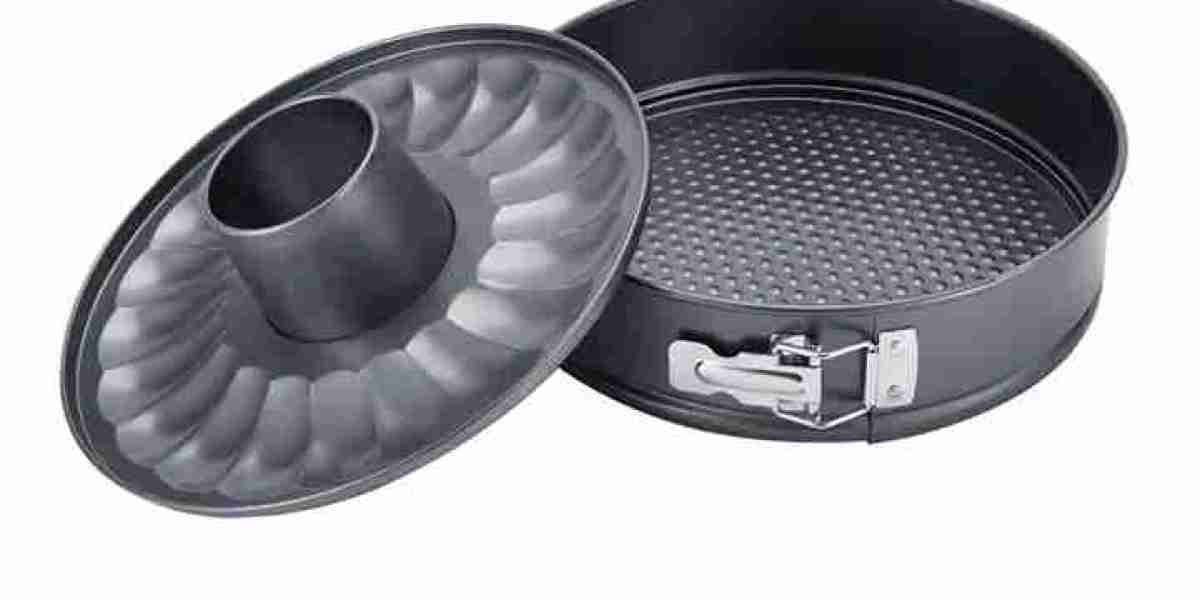

A cake mold can pass dimensional inspections and food-contact testing while still being evaluated through a completely different set of criteria. A BSCI Cake Mold is associated with a manufacturing facility that has undergone assessment under the Business Social Compliance Initiative framework. Unlike product testing, which focuses on the physical item, social compliance assessment looks at conditions within the workplace where the product is manufactured.
A BSCI assessment can examine several areas of factory operations, including working hours, worker treatment, occupational health and safety, and protections against forced or child labor. Documentation and workplace conditions may be reviewed as part of the assessment process. This makes the audit different from material testing for bakeware. A food-contact test can provide information about the material used in a mold, while a social compliance assessment provides information about the manufacturing environment.
For buyers managing larger sourcing programs, these two types of documentation may appear alongside each other during supplier evaluation. Product specifications still need to cover factors such as dimensions, material, temperature resistance, surface characteristics, and applicable food-contact requirements. Social compliance documentation addresses a separate part of the supply chain and therefore should not be treated as a replacement for product-level testing.
The timing of an audit also matters. Social compliance status reflects the conditions assessed during a particular audit period rather than permanently describing every future condition at a facility. Working practices, staffing, production arrangements, and workplace conditions can change over time. Buyers therefore need to look at the date and scope of available audit documentation when reviewing a supplier rather than treating BSCI status as an unchanging product specification.
This distinction becomes particularly useful when comparing different supplier qualification documents. A BSCI Cake Mold does not mean that the mold itself has a special physical property because of the BSCI assessment. Instead, the term connects a bakeware product with a particular type of factory-level social compliance evaluation.
For sourcing teams, keeping product compliance and factory compliance as separate categories can make documentation easier to review. Material and food-contact records answer questions about the bakeware itself, while BSCI-related records provide another layer of information about the manufacturing site. Together, these documents can form a broader picture of both the product and the production environment.