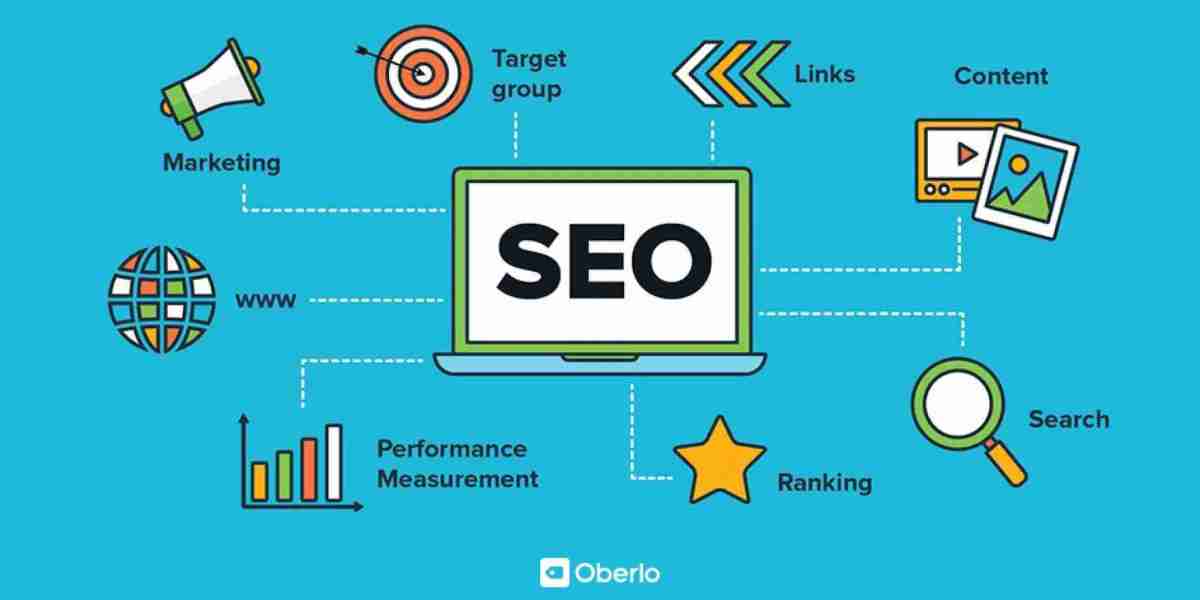

Websites that consistently attract organic traffic usually have something in common beyond strong rankings. They understand how search visibility connects to business objectives. Instead of treating traffic as the final goal, they build a system that attracts relevant users, provides useful information, establishes trust, and creates clear opportunities for those visitors to become leads or customers.
Organic traffic can become one of the most valuable sources of long-term business growth because successful search assets can continue attracting visitors without requiring a separate payment for every click. However, traffic alone does not guarantee revenue. The real opportunity comes from building a strategy where content, search intent, authority, user experience, and conversion paths work together.
A skilled SEO Specialist focuses on this complete process rather than optimizing individual pages in isolation. The goal is to create a website that earns visibility while also giving visitors compelling reasons to continue engaging with the business.
Revenue Starts With The Right Search Demand
The foundation of a strong organic revenue strategy is choosing the right search opportunities.
A website can attract thousands of visitors from broad informational keywords while generating very few customers. Another website may receive significantly less traffic but attract visitors who are actively looking for a product, service, provider, or solution.
This difference comes down to search intent.
Businesses need to understand what users are trying to accomplish when they enter a query. Informational searches can introduce people to a brand, while commercial and transactional searches may bring visitors closer to a purchasing decision.
An SEO Specialist can map keywords to different stages of the customer journey, helping businesses prioritize search opportunities that have meaningful commercial relevance.
High-Value Content Attracts Qualified Visitors
Successful websites do not publish content simply to increase the number of indexed pages.
They create resources that solve specific problems, answer important questions, explain complex subjects, and help users make decisions. This makes content useful to the audience while creating opportunities for the business to demonstrate expertise.
A detailed guide can attract someone researching a problem. A comparison article can help a visitor evaluate options. A service page can capture users who already know what solution they need.
Each type of content serves a different purpose within the revenue journey.
The strongest websites build a combination of content assets so that organic search can attract users at multiple stages rather than relying exclusively on product or service pages.
Search Intent Shapes Conversion Opportunities
The conversion path should match the reason someone arrived on the page.
A visitor reading an introductory educational article may not be ready to request a quote immediately. Offering a helpful guide, newsletter, related resource, or deeper educational page may be more appropriate.
A visitor searching for a specific service may be much closer to taking commercial action. That page can provide pricing information, service details, testimonials, FAQs, case studies, and a clear contact option.
Matching the conversion opportunity to intent creates a more natural customer journey.
This approach also prevents websites from using aggressive calls to action on every page regardless of what the visitor actually needs.
Content Clusters Increase Revenue Opportunities
Websites that consistently win organic traffic often develop broad coverage around their most important subjects.
Content clusters connect a central topic with supporting pages that answer related questions and address narrower search needs. This creates a network of relevant resources rather than a collection of disconnected articles.
For businesses, this structure creates multiple opportunities to introduce visitors to products and services.
Someone might enter through a supporting article, read another related resource, and eventually discover a commercial page. The initial search may not generate an immediate conversion, but it can become the first step in a longer customer journey.
Over time, these interconnected paths can make organic search a more effective acquisition channel.
Authority Supports Competitive Search Visibility
Revenue strategies built around organic search require visibility.
Businesses competing in established industries often need more than well-written content. They also need to demonstrate credibility through relevant backlinks, industry mentions, digital PR, expert contributions, useful resources, and strong website signals.
Authority can help a website compete for valuable searches, although it does not guarantee rankings.
An SEO Specialist focuses on building authority in ways that support the site's actual subject matter. Relevant recognition from reputable sources can strengthen credibility while helping important pages become more discoverable.
The objective is to build a reputation that supports both search visibility and user trust.
Internal Linking Moves Visitors Toward Commercial Pages
Organic traffic often enters through pages that are not directly designed to sell.
Internal linking gives businesses an opportunity to guide these visitors toward related resources and commercial pages.
For example, an educational article can link to a relevant service page. A comparison guide can connect to product categories. A detailed industry resource can lead visitors toward a case study or consultation page.
These connections should feel natural and useful.
Strong internal linking also helps search engines understand how pages relate to one another. As the website grows, this structure can make both navigation and content discovery more efficient.
Trust Is Part of The Revenue Strategy
Visitors need confidence before they take meaningful action.
A website can earn a search ranking, but the visitor still decides whether the business appears credible enough to consider. This makes trust-building an important part of organic revenue generation.
High-performing websites often use customer reviews, case studies, transparent company information, expert content, credentials, detailed service explanations, guarantees where appropriate, and clear policies to reduce uncertainty.
Trust should be supported by genuine evidence rather than exaggerated claims.
When useful content and credible proof work together, visitors have more reasons to continue through the customer journey.
Conversion Optimization Turns Visits Into Outcomes
Organic traffic becomes commercially valuable when the website makes relevant actions easy.
Conversion optimization can involve improving page messaging, simplifying forms, strengthening calls to action, clarifying service benefits, improving navigation, reducing distractions, and making important information easier to find.
The objective is not to force visitors into conversion.
Instead, the website should remove unnecessary friction between the user's need and the appropriate next step.
For some businesses, that next step may be a purchase. For others, it may be a phone call, consultation request, quote submission, account registration, or newsletter signup.
Existing Traffic Can Be More Valuable Than New Traffic
Businesses often focus heavily on generating additional traffic while overlooking opportunities within their existing audience.
A page that already attracts thousands of visitors may have significant untapped commercial potential.
Businesses can review which pages receive strong organic traffic and examine whether those pages provide relevant conversion opportunities. Improving internal links, adding useful calls to action, strengthening commercial information, or connecting the page with relevant services can increase its business value without requiring a completely new traffic source.
This makes traffic optimization an important part of the revenue strategy.
Long-Tail Keywords Build A Wider Acquisition System
Broad keywords can attract large audiences, but long-tail searches often provide more specific signals about user needs.
Someone searching for a highly specific problem may have already identified what they want. These searches can be particularly valuable when the website provides a direct and detailed answer.
Individually, long-tail keywords may produce limited traffic. Collectively, they can create a substantial stream of relevant visitors.
High-performing websites often build large content ecosystems capable of capturing these specific searches across different topics and stages of the customer journey.
Organic Search Can Reduce Acquisition Pressure
Paid advertising can provide immediate visibility, but every additional click generally requires continued advertising investment.
Organic search operates differently. Once a page earns sustainable visibility, it can continue attracting visitors without a direct advertising charge for each visit.
This does not mean SEO is free. Creating content, improving technical performance, earning authority, and maintaining a website all require resources.
The difference is that these investments can create assets with a longer useful lifespan.
Over time, a mature organic search strategy can diversify customer acquisition and reduce dependence on any single marketing channel.
SEO Data Connects Traffic With Revenue
The most effective organic strategies measure more than impressions and rankings.
Businesses should understand which pages generate leads, sales, inquiries, subscriptions, or other meaningful actions. They can then identify which search topics and content formats contribute most effectively to business goals.
An SEO Specialist can use these insights to refine keyword targeting, content planning, internal linking, and conversion strategies.
For example, a page with modest traffic but strong lead quality may deserve more investment than a page with significantly higher traffic and little commercial impact.
This shifts SEO from a traffic-generation exercise toward a business performance discipline.
Updating Content Protects Revenue Potential
Organic search performance can decline when information becomes outdated or competitors create better resources.
Successful websites regularly review important content and update it when necessary. This can involve refreshing facts, expanding weak sections, improving examples, adding new questions, strengthening internal links, and making the page easier to use.
Content maintenance protects existing organic assets while creating opportunities to improve their performance.
For businesses, this can be more efficient than constantly creating new content without evaluating the value of what already exists.
Revenue Growth Comes From A Connected System
The biggest lesson behind consistently successful organic websites is that no single SEO tactic creates the entire result.
Keyword research identifies opportunities. Content satisfies search intent. Technical SEO creates accessibility. Authority supports competitiveness. Internal links connect resources. User experience builds engagement. Conversion optimization turns interest into action. Analytics reveals what should happen next.
Each component supports the others.
When these systems are managed together, organic search becomes more than a source of website visitors. It becomes an ongoing customer acquisition framework capable of supporting business growth.
Conclusion
The revenue strategy behind websites that consistently win organic traffic is based on connecting visibility with business intent. These websites do not measure success solely by how many people visit. They focus on attracting relevant audiences, answering their questions, building trust, guiding them through useful resources, and creating appropriate conversion opportunities.
A skilled SEO Specialist helps businesses build this system by aligning search intent, content, authority, technical SEO, internal linking, user experience, and conversion strategy.
The result is a stronger relationship between organic visibility and revenue. Instead of treating search traffic as a vanity metric, businesses can turn it into a long-term asset that supports leads, customers, brand growth, and sustainable commercial performance.
Learn More Learn More Learn More Learn More Learn More Learn More
Learn More Learn More Learn More Learn More Learn More Learn More
Learn More Learn More Learn More Learn More Learn More Learn More
Learn More Learn More Learn More Learn More Learn More Learn More
Learn More Learn More Learn More Learn More Learn More Learn More