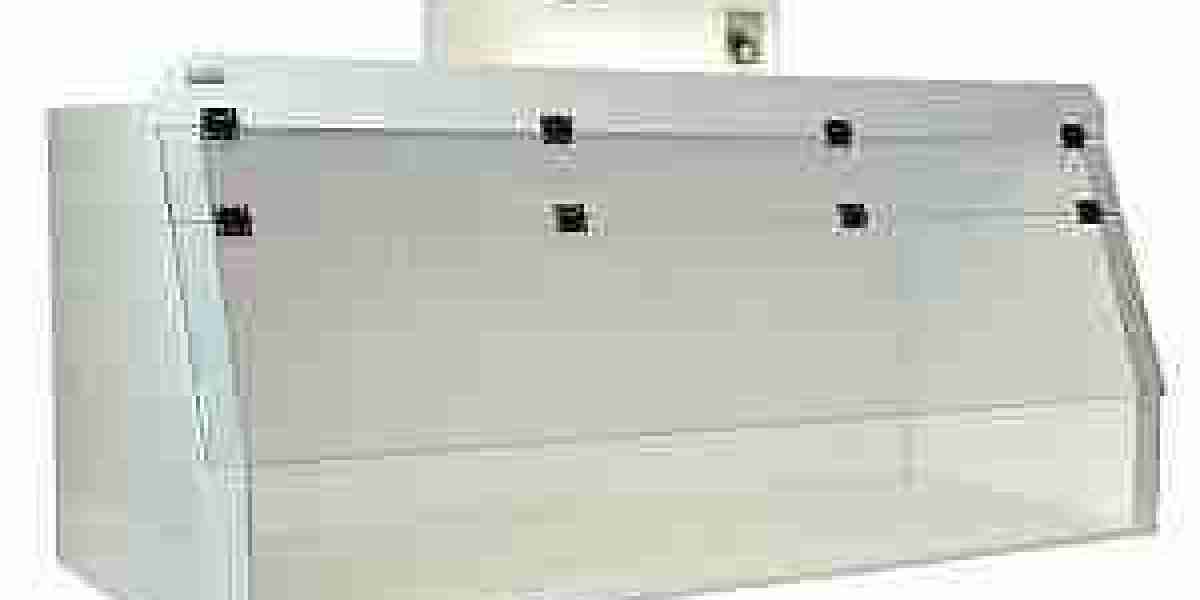

Choosing the right fume hood size is important when you work with corrosive chemicals, reactive substances, or processes that generate hazardous vapors. A hood that is too small can restrict your workflow, while an unnecessarily large unit can consume valuable laboratory space and increase operating requirements. When you size a polypropylene fume hood, you should consider your chemical processes, equipment dimensions, workspace, airflow requirements, and future needs.
Start With Your Chemical Work
Before selecting dimensions, identify exactly what you will perform inside the hood. Consider the chemicals you use, their corrosiveness, the quantities involved, the temperatures of your processes, and the type of vapors or fumes generated.
Polypropylene is particularly useful in applications where chemical resistance is an important consideration. However, your hood should still be selected based on the specific chemicals and operating conditions involved.
Create a list of your routine processes and determine whether they require small containers, large vessels, analytical equipment, heating devices, or other laboratory apparatus. This gives you a practical starting point for determining the required interior workspace.
Measure Your Equipment and Workspace
The internal working area should accommodate your equipment without forcing you to work close to the front edge or overcrowd the enclosure.
Measure the:
- Width of your largest equipment setup
- Depth required for safe operation
- Height of vessels and apparatus
- Space needed to handle samples and containers
- Clearance needed around equipment
- Additional room required for routine movement
Avoid sizing the hood solely around your largest piece of equipment. You also need enough workspace for safe manipulation and organized placement of materials.
For example, if your process involves a large reaction vessel, hot plate, or laboratory instrument, measure the complete operating setup rather than the equipment alone.
Consider Hood Width Carefully
Hood width is one of the most important sizing factors. Common laboratory configurations vary in width, but you should select a size based on your actual work rather than choosing a standard dimension automatically.
A wider hood can provide greater flexibility when you routinely operate several pieces of equipment simultaneously. However, if your chemical work involves only small containers and compact apparatus, excessive width may not provide meaningful benefits.
Think about how many people will use the hood and whether multiple pieces of equipment need to remain inside during a process. Your answer can help determine the appropriate working width.
Determine the Required Interior Depth
Depth affects both usable workspace and operator access. You need sufficient depth to position equipment safely while maintaining an appropriate working arrangement.
Avoid pushing equipment against the rear wall or creating a crowded working area. At the same time, excessive depth may make it difficult for you to reach materials comfortably.
Your goal should be to create a workspace where equipment can be positioned logically and where you can perform routine tasks without unnecessary reaching or rearrangement.
Check Vertical Clearance
Height becomes particularly important when your chemical procedures involve tall glassware, condensers, reaction assemblies, or other vertical equipment.
Measure the complete height of your operating setup, including connections, tubing, supports, and any components that extend upward. Then verify that the selected hood provides adequate internal clearance.
You should also consider whether your process may change in the future. If you expect to introduce taller apparatus, allowing reasonable additional clearance during initial selection can prevent a premature replacement.
Account for Airflow Requirements
Sizing a hood is not simply a matter of choosing physical dimensions. The hood must also operate with an appropriate airflow arrangement for its design and intended application.
Your required airflow can depend on factors such as hood size, sash position, laboratory configuration, exhaust system design, and the chemicals being handled.
Do not assume that a larger hood automatically provides better containment. Proper airflow design, installation, balancing, and routine operation are essential to effective fume control.
You should work with qualified laboratory professionals or the hood manufacturer to confirm the appropriate exhaust requirements for your application.
Consider Your Laboratory Space
Before ordering, measure the available installation area. Check the hood's overall external dimensions and allow sufficient space for installation, access, utilities, exhaust connections, and maintenance.
You should also review the location of walls, doors, laboratory benches, electrical connections, plumbing, and exhaust ductwork. A hood that fits on paper may still create practical problems if surrounding infrastructure has not been considered.
When you are evaluating polypropylene fume hood options for corrosive chemical applications, consider both your immediate workspace and the requirements of your complete laboratory setup.
Plan for Future Requirements
Your laboratory needs may change. You may add new equipment, increase sample sizes, or introduce different chemical procedures.
Instead of sizing the hood only for today's smallest setup, consider your expected workflow over the next several years. A modest amount of additional working space can provide useful flexibility.
However, avoid selecting an oversized enclosure without a clear operational reason. The objective is to achieve an appropriate balance between usable workspace, laboratory footprint, airflow requirements, and budget.
Review Construction and Compatibility
Once you determine the required dimensions, review the hood's construction and material compatibility.
For corrosive chemical work, a chemical-resistant polypropylene fume hood for laboratory applications can be worth considering because polypropylene offers resistance to many corrosive environments. You should still verify compatibility with the specific chemicals, concentrations, temperatures, and processes involved.
Review the interior construction, work surface, sash arrangement, exhaust configuration, and available accessories before making your final selection.
Choose the Right Polypropylene Fume Hood
The right size should support your actual chemical workflow without creating unnecessary restrictions. Start with your process, measure your equipment, determine the required workspace, evaluate airflow requirements, and confirm that the hood fits your laboratory infrastructure.
If you need help comparing configurations, explore the polypropylene fume hood solutions for corrosive chemical laboratory work available from CleaTech LLC. You can also contact us today to discuss your application and sizing requirements.
Frequently Asked Questions
How do you determine the right polypropylene fume hood size?
Start by measuring your equipment, vessels, and required working area. Then consider the number of simultaneous processes, available laboratory space, airflow requirements, and potential future needs.
Is a larger polypropylene fume hood always better?
No. A larger hood can provide additional workspace, but it may occupy more laboratory space and require different airflow capacity. Choose a size based on your actual application and operating requirements.
Why is polypropylene used for fume hoods?
Polypropylene offers useful chemical resistance, making it suitable for many applications involving corrosive chemicals. You should always verify material compatibility with the specific chemicals and conditions used in your laboratory.
Should you consider future equipment when sizing a fume hood?
Yes. If you expect your processes or equipment to expand, allowing reasonable additional workspace can provide greater flexibility and reduce the likelihood of needing another hood later.
What should you check besides hood dimensions?
Review airflow requirements, exhaust connections, sash configuration, material compatibility, installation space, utilities, equipment clearance, and access for maintenance before finalizing your selection.
Original Source: https://laboratoryquipment.blogspot.com/2026/09/how-to-size-polypropylene-fume-hood-for.html