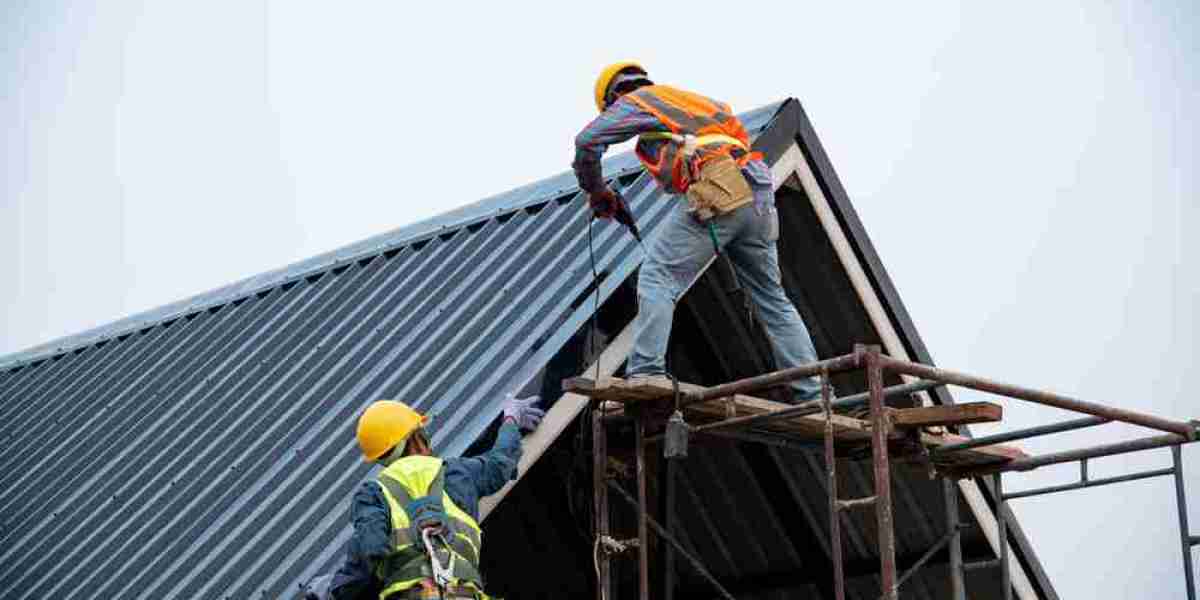

Know What Your Metal Roof Is Facing
Metal roofing is designed to withstand regular exposure to outdoor conditions, but no roofing system remains unaffected by time and weather. Sunlight, rain, wind, temperature changes, falling debris, and moisture can gradually affect panels and connecting components. Understanding these sources of wear makes it easier to recognize developing problems and address them before they interfere with the building's protection.
Look Beyond the Visible Leak
Metal Roof Repair Services in Hernandez NM can address problems that are not always obvious from inside a building. A roof may have a loose fastener, deteriorated seal, damaged seam, or small puncture that allows water to enter gradually. Because moisture can travel along roofing layers before appearing indoors, finding the visible stain is not always enough. The surrounding roof area should also be examined.
Inspect Panels After Severe Weather
Strong winds and hail can affect metal roofing in several ways. Panels may become dented, displaced, scratched, or punctured, while edge components and flashing can also sustain damage. Some problems may not produce an immediate leak, making a post-weather inspection useful. Identifying damaged sections early provides an opportunity to determine whether individual components can be repaired or need replacement.
Watch for Rust and Surface Deterioration
Protective finishes help shield metal panels from moisture, but scratches and worn coatings can expose vulnerable areas. Rust may begin as a small discoloration and gradually spread if the underlying issue is not addressed. Property owners should pay attention to corrosion around fasteners, seams, edges, and areas where water tends to remain. Early attention can help preserve the surrounding material.
Check Fasteners and Connections
Fasteners secure panels to the supporting structure, making their condition important to the overall roofing system. Changes in temperature can cause metal components to expand and contract, potentially affecting connections over time. Loose or damaged fasteners may create openings where moisture can enter. Regular inspection of these points can help identify small defects before they contribute to broader roofing problems.
Examine Flashing and Roof Penetrations
Vents, pipes, skylights, chimneys, and other features create openings in an otherwise continuous roofing surface. Flashing helps protect these transitions, but it can bend, corrode, separate, or lose its seal. Roofing Services Hernandez NM may involve work around these areas because a roofing system depends on properly protected transitions as much as it depends on the condition of its main panels.
Pay Attention to Interior Clues
Water stains on ceilings or walls can provide an important warning that moisture is entering somewhere above. Peeling paint, damp insulation, discoloration, or a persistent musty smell may also indicate an issue. However, the location of an interior symptom does not necessarily identify the exact source. Water can move through different roofing layers before becoming visible, so exterior inspection remains important.
Keep Water Moving Off the Roof
Metal panels generally shed water effectively, but drainage problems can still create trouble. Gutters, downspouts, valleys, and other drainage points should remain free of debris and functional. Leaves and dirt can restrict water movement, allowing moisture to remain against roofing components for longer periods. Maintaining these areas helps reduce unnecessary exposure and supports the overall performance of the roof.
Use Repairs That Match the Existing System
Metal roofing can be manufactured from different materials and finished with different coatings. Fasteners, sealants, replacement panels, and repair products should therefore be compatible with the existing system. Using unsuitable materials can create adhesion problems or contribute to corrosion. Matching repair components appropriately helps maintain the integrity of the roof and reduces the possibility of creating new weaknesses during repair work.
Understand When Local Repairs Are Appropriate
A damaged fastener or isolated panel does not necessarily mean the entire roof needs replacement. Localized problems may sometimes be addressed without disturbing unaffected portions of the system. However, widespread corrosion, repeated leaks, extensive panel deterioration, or structural damage can indicate a more significant condition. Evaluating the roof as a whole helps determine whether a targeted repair or broader project is appropriate.
Keep Maintenance on a Regular Schedule
Roof maintenance is easier when it is performed before serious damage develops. Periodic inspections can focus on seams, fasteners, flashing, coatings, drainage areas, and visible panel conditions. Additional checks may be useful after severe weather or when interior moisture appears. Regular observation gives property owners a better understanding of how the roofing system is aging and whether particular areas need attention.
Avoid Unnecessary Roof Damage
Metal roofs can be damaged by careless foot traffic, dropped tools, improperly installed equipment, or maintenance activities performed without appropriate precautions. Anyone working around the roof should understand where vulnerable panels, seams, and penetrations are located. Keeping unnecessary equipment and debris away from the surface can also reduce the possibility of scratches, dents, and punctures that may eventually lead to moisture problems.
Protect the Building Over Time
A metal roof serves as an important barrier between a property and the elements. Maintaining panels, connections, flashing, and drainage components can help preserve that protective role for years. Promptly investigating unusual stains, corrosion, loose materials, or storm damage allows property owners to understand the condition of the system before minor defects become larger concerns. Consistent maintenance ultimately supports both roof performance and the condition of the building beneath it.