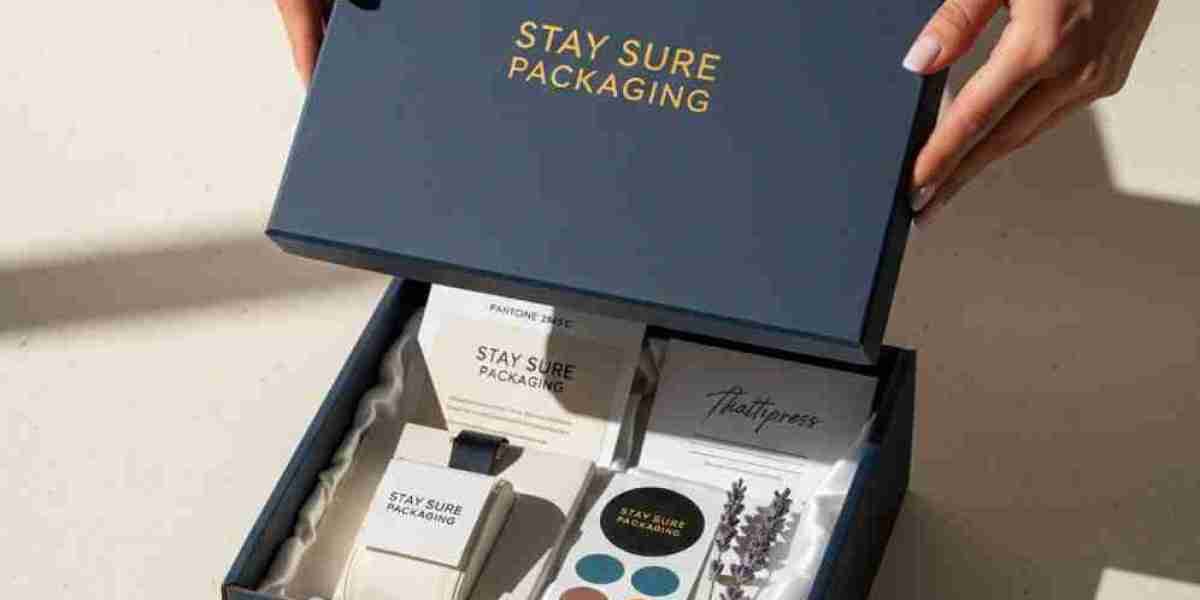

Brand growth in the UK starts with the look of your packaging. The first impression on shelves and in online shopping carts can make or break a buyer’s decision. Clear, durable packaging communicates quality, trust, and a story people want to share. Small tweaks in size, material, or printing can ripple into bigger sales and happier customers.
Readers here want practical guidance they can act on. This piece lays out what wholesale custom packaging means for growing UK brands, from materials to labeling rules. You’ll find real-world tips, budget ideas, and examples you can adapt to your products. wholesale custom packaging is a term you’ll hear a lot, and it’s about getting the right packaging at scale without losing your brand voice.
Introduction
Why packaging choices impact brand growth in the UK market. Your packaging is part of your product’s promise. It should protect, inform, and entice. The right solution works across online storefronts and brick‑and‑mortar shelves.
What readers will gain from this article. A clear view of when to choose wholesale options, how to balance cost and quality, and how to align packaging with UK rules and shopper tastes.
Understanding Wholesale Custom Packaging
Defining wholesale custom packaging for growing brands. This means buying packaging in larger quantities with branding tailored to your line. It helps you keep prices predictable while staying faithful to your brand identity.
Key components: materials, print options, and sizes. Materials determine durability and feel. Print options affect readability and shelf appeal. Sizes should fit your product range without waste. Customization supports brand differentiation by giving each product its own character while still reading as part of a single family.
Benefits for UK Growing Brands
Building brand recognition on shelves and online. A cohesive look makes your products stand out in crowded spaces and helps customers remember you. Consistent packaging across lines reinforces trust and value.
Cost efficiency through bulk production. Ordering in bulk lowers per‑unit costs and reduces last‑minute rush fees. It also minimizes packaging shortages that slow launches.
Sustainability as a growth driver. Recyclable or compostable options and clear recycling guidance can win over eco-minded shoppers. Packaging that reflects care for the environment often translates to brand loyalty.
Materials and Sustainability Trends
Common packaging materials used in the UK. Cardboard and paperboard are widely used for their recyclability. Corrugates add strength for heavier items. Plastics are still common, but many brands choose recycled content or bioplastics when possible.
Recyclability, compostability, and post consumer waste considerations. Labeling should include clear recycling instructions. Where compostable options fit, ensure there’s convenient access to appropriate facilities.
Regulations and certifications to note. Look for FSC or SFI certifications for responsibly sourced fiber. Some products may require product safety testing or specific labeling for food contact, depending on category.
Design Considerations for UK Consumers
Local language and cultural nuances. Use English with clear, friendly wording. If your product is regional or niche, a touch of local flavor can help, but avoid overdoing it.
Regulatory compliance for labeling. Include what the consumer needs to know: ingredients, origin, net weight, and any allergen information if applicable. Keep typography legible and comply with UK packaging rules.
Packaging as a storytelling tool. A good pack tells a quick story about your brand, mission, and values. Visuals should guide the shopper through the product’s benefits in a glance.
Choosing the Right Wholesale Partner
Criteria for experience with UK brands. Look for partners who understand UK distribution, shelf standards, and the need for consistent color across runs.
Minimum order quantities and lead times. Confirm MOQs align with your launch schedule and seasonal campaigns. Ask for realistic timelines and contingency options.
Quality assurance and testing processes. Request dry runs, color proofs, and tolerance specs. A solid partner should offer batch testing and a clear path for approvals.
Example questions to ask suppliers. What are your typical turnaround times? How do you handle color matching across materials? Do you offer on‑site proofs or digital proofs, and what are the costs? Can you provide UK reference clients?
Costing and ROI
Breaking down costs by component. Consider material cost, printing, tooling, and any setup charges. Factor storage and handling for bulk stock.
Calculating unit cost savings with bulk orders. Compare a per‑unit price with and without setup fees across volumes. Remember to account for waste reduction from better fitting shapes.
Measuring impact on sales and customer retention. Track changes in basket size, repeat purchases, and the speed of product launches. Use A/B tests for packaging variants in small runs before full rollout.
Case Studies
Brand A: From generic packaging to strong shelf presence. A simple refresh of color and typography helped the brand jump from blending in to standing out on shelves.
Brand B: Sustainable packaging driving repeat purchases. Recycled content and compostable liners resonated with eco‑conscious shoppers, lifting repeat rates.
Brand C: Seasonal campaigns and limited runs. Short runs with bold seasonal artwork created urgency and boosted impulse buys.
Operational Tips for Implementation
Sourcing timelines and production calendars. Map milestones to product launches and promotions. Build a buffer for proofs and testing.
Managing proofs, approvals, and color consistency. Use a clear approval process and keep all stakeholders aligned. Maintain a color library to avoid drift across orders.
Storage considerations for bulk stock. Create a first‑in, first‑out system. Protect packaging from moisture and sunlight to preserve quality.
Compliance and Roadmap for UK Brands
Key labeling and packaging regulations in the UK. Stay current with allergen labeling, weight disclosure, and product origin where required.
UPC/EAN considerations and barcoding. Plan barcodes that scan reliably across retailers. Align with your chosen retailer’s requirements.
Future-proofing packaging for evolving rules. Build flexibility into your packaging specs so you can adapt quickly to changes in law or retailer standards.
Practical Checklist
Step by step from concept to launch. Start with a baseline design, test proofs, finalize specs, and place a controlled order.
Red flags to avoid with wholesale partners. Watch for vague timelines, hidden fees, or inconsistent batch quality.
Quick win ideas for fast impact. Use a limited edition run to gauge reaction, or switch to recyclable packaging for a small segment to test the market.
Conclusion
Wholesale custom packaging helps growing UK brands align their product story with shopper expectations. A thoughtful approach to materials, design, and standards speeds up launches and grows loyal customers.
Consider the long game: strong packaging supports trust, repeat purchases, and better shelf performance across channels. Start with a clear brief, vet partners well, and build from there. The right packaging choices can become a brand asset you’re proud of.
Appendix (optional)
Glossary of packaging terms
Definitions of common terms like corrugate, litho‑lamination, and callouts you’ll see on UK packaging.
Resource list for UK packaging suppliers and standards
Directories and guidelines from recognized bodies to help you compare options and verify credentials.
FAQ tailored to growing UK brands
FAQs
What should I consider before choosing a wholesale packaging partner?
Look for experience with UK retailers, clear lead times, transparent pricing, and a process for proofs and color checks. Ask for references and sample runs to validate quality.
How can packaging drive online sales in the UK?
Strong packaging helps photos pop and reduces returns due to damaged items. Clear labeling and good unboxing experiences boost reviews and shareability.
Does bulk packaging really save money?
Yes. Unit costs drop with volume, and inventory planning reduces rush fees and stockouts. Just be sure to account for storage and handling costs.
What about sustainability requirements?
Choose recyclable or compostable materials when possible, and provide clear disposal instructions. Certifications like FSC can reassure buyers about sourcing.
How do I manage color consistency across runs?
Use a shared color standard and approve proofs before production. Keep a color library and request regular batch checks from the supplier.