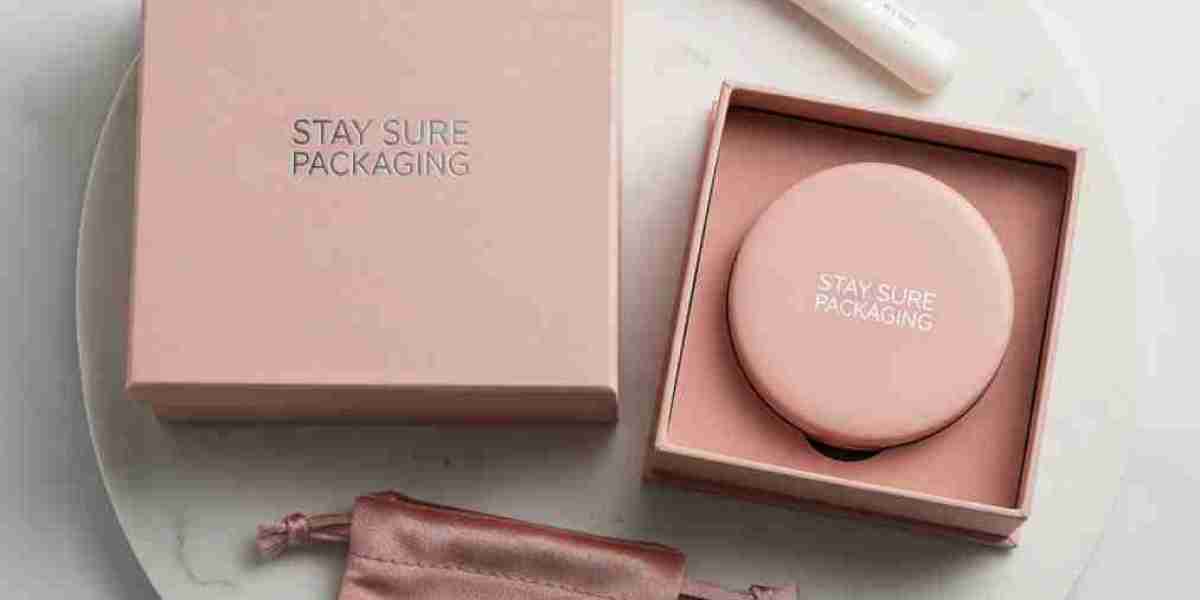

Brands today need packaging that speaks for the product and the story behind it. Custom packaging helps products stand out on crowded shelves and match a brand’s values. It also protects quality, ships better, and can cut waste over time.
From beauty lines to bite-sized snacks, packaging can be more than a container. It’s a touchpoint that builds trust, explains safety, and invites repeat purchases. Think of it as a silent salesman that reinforces why shoppers should choose your brand again and again.
Anchor: custom printed packaging boxes
Understanding what makes packaging work starts with clear definitions. Custom packaging is more than a box or sleeve. It blends materials, finishes, shapes, and sizes to protect, present, and persuade. The goal is to fit the product, the brand voice, and the grocery or retail channel.
Key decisions include material choices, surface finishes, and overall form. Safety and compliance sit alongside aesthetics. A well-rounded plan accounts for both protection during transit and appeal on shelves.
Definitions and core components
Core components are the box or outer shell, internal support, labeling, and any inserts. Visual identity, tactile feel, and readability all matter. Great packaging makes a first impression and still serves after unboxing.
Key decisions: materials, finishes, shapes, and sizes
Materials influence cost, recyclability, and protection. Finishes affect shelf presence and moisture resistance. Shapes and sizes impact handling, stacking, and transport efficiency. Matching these choices to the product lifecycle saves money and reduces waste.
Compliance and safety considerations
Regulatory requirements vary by sector. Labeling, ingredient disclosures, and allergen notices must be clear. Packaging design should minimize risk of contamination and ensure tamper evidence where needed.
Industry Focus: Cosmetics
Cosmetics packaging faces goals like protecting delicate formulas and conveying luxury. The right wrap, insert, and display can elevate a brand from ordinary to premium. Packaging also protects fragile items during shipping, reducing returns.
Material options range from coated papers to rigid boards and molded pulp. Recyclability and responsible sourcing matter to conscious shoppers. A premium look—think texture, color depth, and precise embossing—creates a memorable unboxing.
Common packaging challenges and goals
Challenging items require strong closures, careful sealing, and reliable shrink or carton protection. Goals include preserving product integrity, enabling easy dispensing, and delivering a premium feel without excessive bulk.
Material options and sustainability angles
Consider FSC-certified paperboard, molded fiber, or bio-based plastics for edge with sustainability. Finishes like matte lamination can feel luxurious while staying practical. Highlight recycled content and recyclability to consumers.
Brand impact of premium packaging
A refined package signals quality and sets expectations. When the box mirrors the product inside, it reinforces trust and supports higher perceived value. This can translate into stronger repeat purchases and fewer returns.
Industry Focus: Food and Beverage
Food packaging must balance safety, clarity, and appetite appeal. Clear labeling helps shoppers make quick choices, while color and typography shape perception. The packaging should protect the product from light, moisture, and rough handling.
Design also guides shelf-life confidence. Materials chosen for barrier properties and seal integrity help preserve freshness and flavor. A thoughtful package can extend shelf life while keeping the logo legible from a distance.
Food safety and regulatory alignment
Labels should show ingredients, allergens, and nutrition where required. Tamper-evidence and seal integrity reassure customers. Packaging tests verify barrier performance under temperature and humidity conditions.
Shelf appeal through color, typography, and labeling
Bold colors and legible fonts grab attention. Clear product naming and concise claims help quick recognition. Consistent labeling across SKUs creates a clean, trusted brand presence.
Shelf-life and protection through design
Barrier layers, heat seals, and barrier coatings slow degradation. Proper cushioning and inner trays prevent shifting and damage. A well-designed package keeps products looking fresh until the last bite or sip.
Industry Focus: Retail and E-commerce
Unboxing has become a marketing moment. The first touch, the opening ritual, and the final reveal all shape perception. Packaging can drive shareable moments and generate organic buzz.
Protecting products during transit is non-negotiable. Sturdy boards, inserts, and optimized weight reduce damage and returns. For a mix of SKUs, modular packaging helps keep shipping efficient and brands consistent.
Unboxing experience as a marketing tool
Thoughtful inner details, branded tissue, or a keepsake insert can convert first-time buyers into fans. The experience matters long after the package is opened and disposed of.
Protecting products during transit
Rigidity, accurate fit, and secure closures prevent dents and leaks. Tests that simulate stacking and vibration help catch weak points before launch.
Custom packaging options for varied SKUs
Custom sizes and partitions make sense when you have many products. A smart approach reduces wasted space and keeps costs predictable.
Sustainable Packaging as a Differentiator
Recyclability and compostability trends are guiding choices. Materials with established recovery streams perform best in the real world. Consumers notice brands that make responsible packaging a visible priority.
Reducing weight improves transport efficiency and lowers carbon impact. Lighter packs can still offer strong protection with clever design. Brand loyalty grows when packaging aligns with eco values you demonstrate, not just talk about.
Recyclability and compostability trends
Choose packaging that fits local recycling or composting infrastructure. Clear recycling symbols help end users sort correctly. Compostable options work well for some product types with appropriate facilities.
Reducing weight and improving transport efficiency
Fewer materials and better fit mean lower shipping costs and less waste. Lightweight designs that still protect create a win for margins and the planet.
Consumer perception and brand loyalty
Shoppers reward brands that are honest about packaging sustainability. Simple disclosures and visible recycling steps build trust over time.
Design and Functional Considerations
Visual identity should be integrated from the first glance. Colors, typography, and imagery carry the brand story without shouting. A clean layout helps consumers find key information fast.
Usability matters. Easy-open features, resealability, and clear product instructions improve the customer experience. The aim is to reduce friction from shelf to home.
Visual identity integration
Align packaging with the brand’s overall look. Consistent cues build recognition across channels and SKUs.
Usability and convenience for customers
Simple opening, clear disposal guidance, and efficient re-use options boost satisfaction. Practical design can cut down on returns and negative feedback.
Against waste: minimalism without compromising protection
Less can be more when you focus on essential elements. Prioritize structural integrity and readable labeling over extra flourishes.
Material and Process Options
Paperboard, molded fiber, plastics, and bio-based materials offer varied trade-offs. Each material affects cost, sustainability, and performance. Finishes and embellishments elevate the look while adding cost.
Printing and color management ensure consistency across batches. Embossing, foil, and lamination bring texture and shine that catch the eye without overcomplicating production.
Paperboard, molded fiber, plastics, and bio-based materials
Paperboard is versatile and recyclable. Molded fiber provides cushioning with a low footprint. Plastics offer barriers and stiffness; bio-based options aim for better end-of-life outcomes.
Finishes and embellishments (lamination, foil, embossing)
Lamination adds durability and sheen. Foil accents can highlight premium segments. Subtle embossing provides tactile interest without clutter.
Printing techniques and color management
Careful color management keeps branding consistent across runs. Digital and offset methods have different cost and quality profiles, so pick what fits the SKUs and volumes.
Costing, Sourcing, and Partnerships
Understanding total cost of ownership helps make smarter choices. Upfront price is only part of the picture. Long-term savings come from durability, efficiency, and waste reduction.
Supplier selection matters. Look for partners with design support, testing services, and clear communication. A good team collaborates with packaging engineers and designers early in the process.
TCO vs upfront costs
Consider cradle-to-grave costs: production, storage, transit, and end-of-life. A slightly higher initial price can pay off with lower damage rates and better consumer perception.
Supplier selection criteria
Ask about capabilities, turnaround times, and willingness to iterate. Request samples, proofs, and a plan for testing and validation.
Working with packaging engineers and designers
Collaboration speeds up decisions. Early input on structure, materials, and printing avoids late-stage changes that derail timelines.
Compliance, Testing, and Quality Assurance
Regulatory requirements vary across cosmetics, food, and retail. Expect labeling rules, safety data needs, and packaging tests. A structured QA process reduces recalls and customer complaints.
Regulatory requirements by industry
Keep a current map of requirements for each category. Clear documentation helps audits and builds trust with retailers and customers.
Package testing protocols
Drop, vibration, and climate tests reveal weak points. Seal integrity and barrier performance are checked under realistic conditions.
Traceability and documentation
Keep batch information, supplier data, and material specifications on hand. Traceability supports recalls if needed and smooths regulatory review.
Case Studies
A cosmetic brand shifted to a premium carton with embossed logo and coordinated inner trays. The result was stronger shelf presence and fewer product damages in transit.
Cosmetic brand success story
That brand saw a bump in perceived value and higher conversion at shelf stalls. The packaging told the story before a single word was read.
Food brand packaging that extended shelf life
A snack line redesigned with better barrier films and resealability. The redesign reduced spoilage and improved consumer trust in freshness.
Retail brand rebrand through packaging
A lifestyle retailer updated all SKUs with a cohesive packaging system. The clean look strengthened brand recall and boosted online unboxing shares.
Trends to Watch
Limited editions and seasonal lines keep packaging exciting. Short runs with distinctive artwork can drive excitement and social chatter. Smart packaging ideas add interactive elements without complicating production.
Custom packaging for limited editions and seasonal lines
Seasonal packs create urgency and can test new materials or printing techniques. They’re a playful way to refresh a lineup without a full redesign.
Smart packaging and interactive elements
QR codes or NFC tags can link to care guides, tutorials, or loyalty offers. A simple interaction can drive engagement and return visits.
Localization and regional customization
Markets differ in language and packaging preferences. Localized designs improve relevance and help retailers meet consumer expectations.
Getting Started: A Practical Roadmap
Begin with a packaging audit. List products, volumes, and current waste. Identify which SKUs would benefit most from a redesign.
Auditing existing packaging
Assess protection, readability, and disposal feedback. Note any damage patterns that indicate design gaps.
Defining goals and KPI targets
Set clear goals for protection rates, shelf impact, and recyclability. Tie targets to cost, speed to market, and customer feedback.
Choosing a partner and starting with a pilot
Pick a supplier with design support and prototyping capability. Start with a small pilot to validate materials, printing, and fit before full rollout.
Conclusion
Strategic packaging links product integrity with brand perception. A thoughtful approach reduces waste, boosts trust, and supports growth across cosmetics, food, and retail. The right partner helps translate ideas into practical, results-driven packaging systems.
Next steps involve auditing current packaging, defining measurable goals, and testing a pilot with a trusted supplier. A coordinated effort can turn packaging from a cost into a core brand asset.
FAQs
What is the main benefit of custom packaging for cosmetics?
It elevates perceived value, protects delicate formulas, and creates a memorable unboxing that strengthens brand loyalty.
How can packaging extend shelf life for food products?
By choosing proper barrier materials and sealing methods, packaging slows spoilage and preserves flavor and texture longer.
What should I consider when selecting a packaging partner?
Look for design support, testing capabilities, clear communication, and a track record with your industry.
Do all packaging options fit every SKU?
No. Each product needs a tailored approach for protection, weight, and display. A modular strategy often works well for varied SKUs.
How important is sustainability in packaging decisions?
Consumers increasingly favor brands with transparent, responsible packaging. Choices that reduce waste and improve recyclability can drive loyalty and sales.