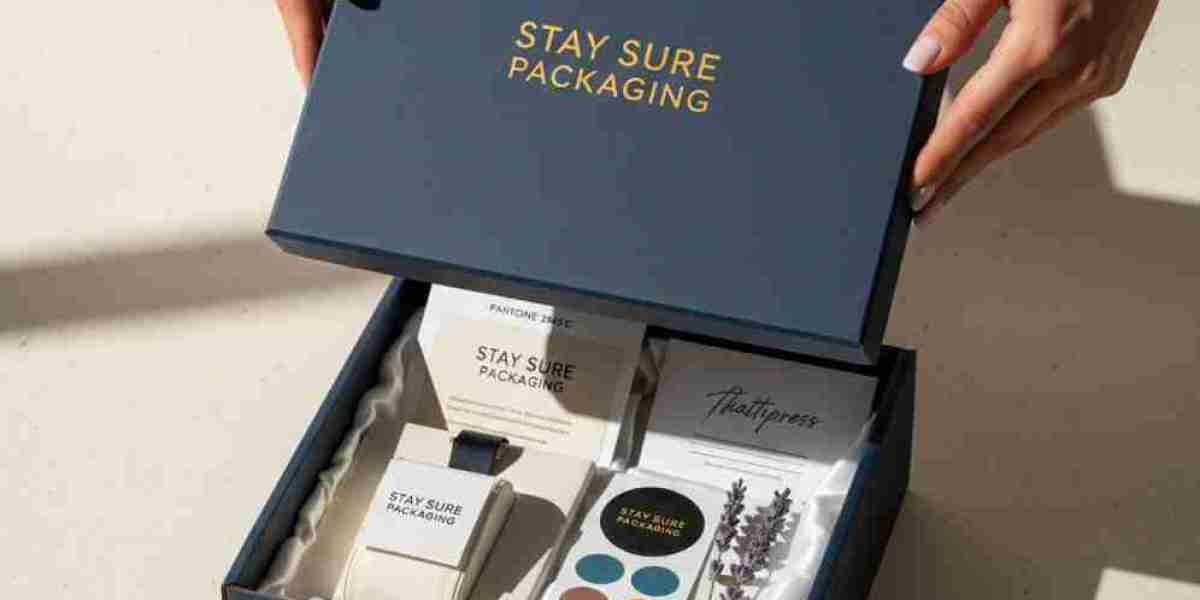

Clever packaging does more than hold a product. It speaks to shoppers before they pick it up. In the UK, where shelves are busy and choices are plentiful, packaging can tilt a decision in seconds. This guide breaks down what works and why, drawing on practical examples and real-world results.
From the moment a shopper spots a box or a pouch, signals are being read. Color, typography, and the story on the label shape opinions as much as any price tag. Brands that get this right stand out and move faster through the aisle.
How Packaging Influences UK Consumers Before They Buy
When a consumer glances across a row of products, the first impression is visual. The packaging must register quickly and clearly. That means readable text, strong contrast, and a layout that guides the eye to what matters most. custom branded packaging often does the heavy lifting here, turning a quick glance into a confident pick.
The Psychology of First Impressions
Shelf impact matters more than you think. UK shoppers scan for familiar cues and recognizable brands in crowded aisles. A trusted emblem, a consistent color story, and a clean layout can trigger recall at the moment of decision. Packaging that signals quality without shouting earns a place in the basket.
Brand signals on packaging build trust fast. Clear ingredient lists, visible certifications, and honest messaging cut through hesitation. When a label feels authentic, a shopper feels they know what they’re buying in a single look.
Visual Design That Converts
Color choices carry meaning for UK shoppers. Dark blues often imply reliability, while bright accents can signal energy or novelty. A well-chosen palette helps a product feel right for its category and audience. Readability is non negotiable; text should be legible at a quick glance, even on small formats.
Typography and imagery set the tone. Simple type with good contrast speeds recognition, and imagery should support the message, not distract from it. Packaging shapes also matter. Odd angles or tall, slim formats can grab attention in a sea of standard boxes and bottles.
Legal and Ethical Considerations in the UK
Accessibility is not an afterthought. Large print, high contrast, and tactile cues help a wider range of shoppers, including those with sight limitations. Inclusive design should extend to product codes, shelf-ready packaging, and clear labeling.
Transparent labeling signals safety and honesty. Clear allergen notices, nutrition details, and country of origin information build trust. When claims are easy to verify, shoppers feel confident in their choice.
Environmental claims require credibility. If a brand says a package is recyclable or compostable, the claim must align with local facilities. Honest, specific statements beat broad promises every time.
Sustainability as a Purchase Driver
Recyclability and compostability influence many buying decisions. UK consumers often weigh end-of-life options when choosing between similar products. Clear recycling instructions on pack packaging help guide that choice.
Packaging waste concerns shape brand choice. Brands that show a realistic approach to waste reduction—reduced materials, refill options, or reusable designs—tend to win favor with mindful shoppers.
Innovation that resonates with UK values shows up in materials and messaging. Simple changes, like minimal outer packaging or clearly labeled recycled content, can shift perception from waste to value.
Information Hierarchy on Packets and Boxes
What do UK consumers want to see first? A quick read of the product name, core benefit, and main ingredient or feature. The essential information should be topmost, with secondary details accessible without crowding the label.
Balance matters between essential information and branding. A strong brand mark earns trust, while concise facts fuel quick decisions. QR codes and digital extensions can extend the story without cluttering the front panel.
Brand Storytelling on the Wrapper
Provenance matters. Shoppers respond to evidence of maker credentials, such as small-batch origins or ethical sourcing. The story should feel genuine, not forced, and reflect the product’s reality without exaggeration.
Local relevance and culturally resonant messaging boost resonance. Messages that acknowledge UK traditions, ingredients, or regional pride can deepen connection. Consistency across product lines helps the whole brand feel coherent.
Keep messaging consistent across lines. A unified voice and visual language build recognition and loyalty. When a customer encounters the same cues across categories, trust compounds quickly.
Price Perceived Value and Packaging Cues
Premium packaging tends to raise price expectations. A sturdy finish, weighty feel, or premium print can signal higher quality even before the product is used. The physical experience matters as much as the look.
Packaging quality links to perceived value. If the packaging looks well-made, a shopper often assumes the product inside is thoughtfully produced. Bundling, varying sizes, and clear convenience signals can steer choices toward higher-margin options.
The Role of Proximities and Retail Formats
Store layout, signage, and packaging placement affect what gets noticed. An eye-catching display plus clear labeling creates a compelling mini- presentation in the aisle. In-store packaging must stand up to shelf glare and crowding.
Online images vs. in-store packaging differ. Online photography needs color accuracy and context, while in-store needs legibility and scale. Seasonal packaging and promotions can drive impulse buys if tied to clear messaging.
Case Studies of Successful UK Packaging
Food and beverage brands show how packaging can shift behavior. A simple redesign with bolder typography and recycled materials boosted on-shelf recognition and repeat purchases. Non-food brands prove the same lesson applies across categories—clear signals and honest stories win.
Lessons learned are transferable. Start with a strong front panel, validate through quick tests, and align with local sensibilities. A small, thoughtful change can ripple into better conversions and trust.
Practical Guidelines for Designing UK Ready Packaging
Checklist for compliance, accessibility, and sustainability keeps projects grounded. Gather official guidelines early and map them to the packaging design. Simple checklists speed up reviews and approvals.
Test packaging concepts with UK audiences. Quick in-store or online polls, mock displays, and reader surveys uncover gaps fast. Decide on tweaks before full-scale production.
Metrics to track before and after changes should cover recognition, appeal, and intent to purchase. Keep a close eye on pack readability, claim credibility, and post-use satisfaction signals.
Emerging Trends to Watch
Micro-packaging and single-serve formats fit busy routines. Shoppers appreciate compact, portion-controlled options that cut waste. Personalization and regional customization show up as limited runs or local language cues.
Digital integration opens new channels. Smart packaging and QR-enabled experiences let brands share provenance, usage tips, or recipes, extending value beyond the shelf.
Conclusion
Pack design that respects UK shoppers—clear, credible, and considerate of waste—and tells a genuine story tends to convert. Each choice, from color to label, shapes how a product is perceived and bought. A thoughtful approach creates a packaging that fits real shopping moments and builds lasting trust.
FAQs
Why does packaging influence a UK shopper's choice so quickly?
Shoppers scan for immediate signals. A clear name, legible text, and familiar cues help them decide in seconds. First impressions show up fast on crowded shelves.
What design elements most impact trust on a label?
Clear ingredient lists, honest claims, and visible certifications matter. When a label reads as straightforward, buyers feel they can rely on the product.
How should sustainability claims be presented?
Be specific about materials and end-of-life options. Vague statements erode trust; precise notes guide a greener choice.
What role does storytelling play on the wrapper?
A real provenance story with maker details resonates. Local relevance strengthens the connection and supports loyalty across products.
How can packaging support different retail formats?
Front-panel clarity helps in-store readers, while accurate color and detail support online images. Align both to keep the message consistent.