
Custom Time Relay selection should begin with the actual control task rather than a product name or appearance. Buyers need to consider how the device will operate within their equipment, what timing behavior is required, which electrical conditions apply, and how the finished unit will be installed. A clear specification at the beginning can make communication with a manufacturer much easier and reduce unnecessary changes during development.
Start With the Required Timing Function
The first point to clarify is what the control sequence needs to accomplish. A system may require a delay before an output activates, a delay after an input is removed, a pulse for a defined period, or repeated on-and-off cycles. These functions behave differently, so the timing diagram should be defined before discussing detailed configuration.
For example, a machine may need one component to start several seconds after another component has been activated. Another system may require a cooling fan to continue running for a set period after the main equipment stops. Describing the sequence in practical terms gives the manufacturer a clearer starting point.
Confirm Voltage and Electrical Conditions
Supply voltage is another important point for buyers to check. The control circuit may use AC or DC power, while the switched load can have different electrical characteristics. The selected configuration therefore needs to match the actual control environment.
Buyers should provide the intended supply voltage, frequency where applicable, load type, expected current, and switching conditions. If the device will control an inductive load such as a motor contactor or solenoid, this should also be communicated during the specification stage.
A detailed electrical requirement helps the manufacturer determine a suitable internal configuration and contact arrangement.
Check Contact Configuration
Output contacts determine how the device interacts with the rest of the circuit. Buyers may require normally open, normally closed, or changeover contacts depending on the control logic.
The number of outputs can also matter when one timing device needs to coordinate more than one operation. Instead of selecting a configuration based only on physical size, buyers should compare the wiring diagram with their own control schematic.
Providing the intended circuit diagram, terminal definition, or a simple description of the required input and output sequence can make this step much easier.
Define the Timing Range
Timing requirements should be expressed as clearly as possible. Buyers should identify the minimum and maximum delay required, together with the desired adjustment method.
Some applications may work with short delays measured in fractions of a second, while others may require periods measured in minutes or hours. A broad adjustment range may sound convenient, but the setting method and required precision should also be considered.
For a customized project, buyers can provide several target timing points rather than only one number. This gives the manufacturer more information when determining the appropriate configuration.
Consider Mounting and Installation
Physical installation should not be overlooked. The available space inside a control cabinet, panel, machine enclosure, or electrical box can affect the suitable housing and mounting format.
Buyers should provide information about available installation space, mounting orientation, terminal access, wiring direction, and surrounding components. If the unit needs to work in an environment with vibration, dust, moisture, or temperature variation, those conditions should also be included in the project specification.
These details can influence the practical configuration and help avoid installation problems after delivery.
Discuss Customization Clearly
Customization can involve more than changing a timing range. Depending on the project, buyers may need a particular input method, output arrangement, timing scale, terminal layout, housing format, indicator arrangement, or operating sequence.
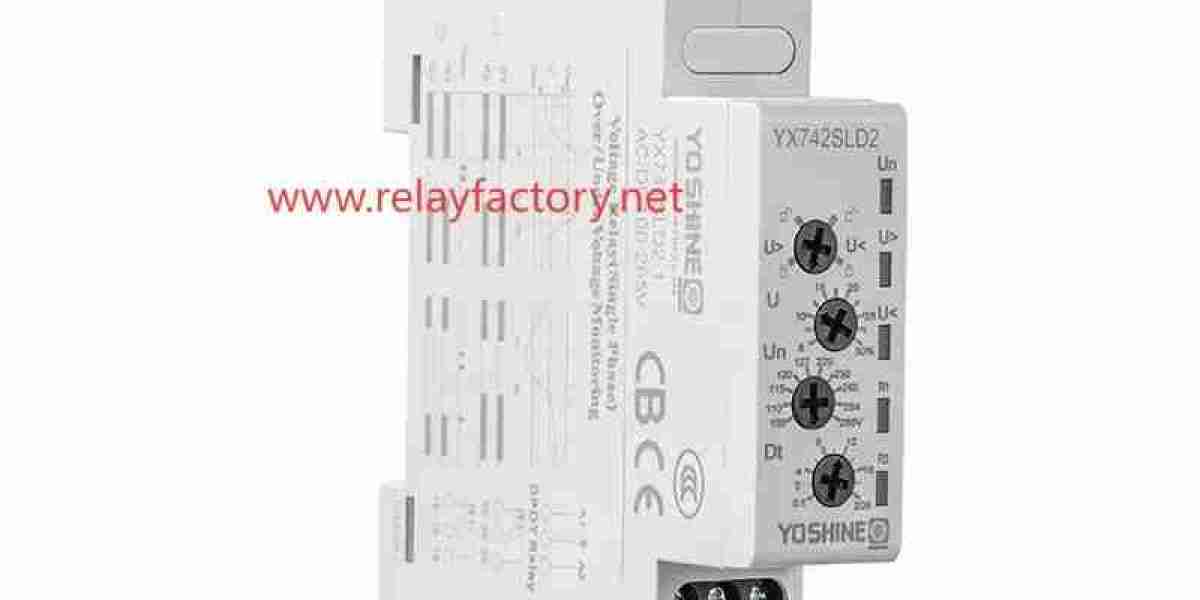
A useful specification sheet should therefore contain the application description, timing diagram, electrical parameters, installation requirements, expected quantity, and any special interface requirements. Drawings, photos, or existing product samples can also help clarify requirements when a project involves replacing an existing unit.
For buyers working with repeated production orders, discussing sample approval and configuration consistency is also useful. It creates a shared reference for future batches.
Review Testing and Communication Before Ordering
Before confirming an order, buyers should check whether the proposed configuration matches the original timing sequence and electrical requirements. Product drawings, wiring information, specifications, and sample testing can provide useful checkpoints before larger production quantities are arranged.
relayfactory works with buyers who need timing products configured around specific application requirements. Sharing complete technical information at the beginning allows both sides to discuss practical options based on the intended control system rather than relying on incomplete descriptions.
For buyers preparing a new project or replacing an existing timing component, the product information and contact details available at https://www.relayfactory.net/ can provide a starting point for discussing the required configuration. This approach keeps the selection process focused on timing behavior, electrical compatibility, installation conditions, and the actual needs of the equipment.