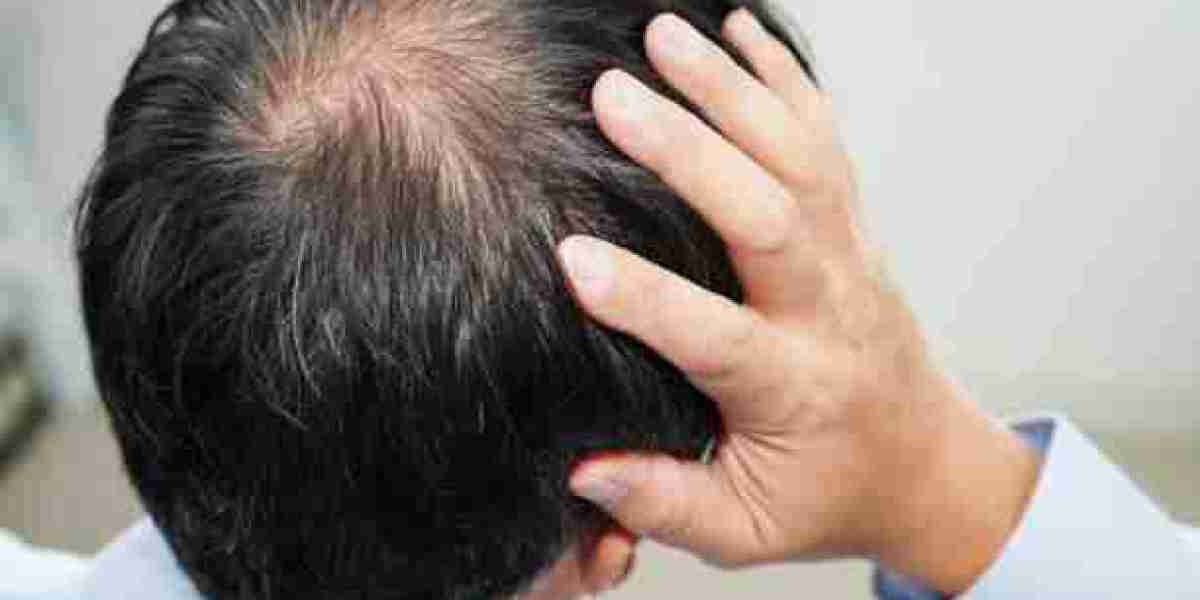

Bald areas can become noticeable when hair density decreases significantly in specific parts of the scalp. They may appear around the crown, temples, hairline, or other areas and can develop gradually or more noticeably over time. Understanding the pattern and possible cause is an important first step when exploring hair fall treatment in Saudi Arabia for improving the appearance of reduced hair coverage.
Recognizing Different Balding Patterns
Bald areas do not look the same for everyone. Some people may develop a gradually receding hairline, while others notice thinning around the crown or more widespread areas of reduced density. Identifying the pattern can help guide a suitable professional assessment.
Why Bald Areas May Develop
Genetics, aging, hormonal influences, certain scalp conditions, and other factors may contribute to noticeable hair loss. In some cases, repeated tension or hair damage may also affect the appearance of specific areas.
Evaluating the Affected Areas
Before choosing a treatment, it is useful to understand the extent and pattern of hair loss. Hair loss treatment in Riyadh may involve a professional evaluation of the scalp, remaining hair density, and areas where baldness has become visible.
Assessing Hair Density
A specialist may examine the amount and distribution of existing hair across the scalp. This can help distinguish between localized bald areas, general thinning, and areas affected primarily by hair breakage.
Understanding Hair Loss Progression
Knowing whether hair loss is stable or continuing to progress can be important when considering treatment options. Previous changes in density, family patterns, and the duration of the concern may all provide useful information during an assessment.
Treatment Options for Visible Bald Areas
Treatment selection depends on the underlying cause, location, and extent of hair loss. Options may range from non-surgical approaches designed to support existing hair to hair restoration procedures intended to improve coverage in selected areas.
Non-Surgical Hair Treatments
Certain non-surgical treatments may focus on supporting scalp health and the appearance of existing hair. These options may be considered when some hair remains in the affected areas and the individual's condition is suitable.
Hair Restoration Procedures
When bald areas have significant loss of hair coverage, a hair restoration procedure may be considered. Professional evaluation can determine whether the person has suitable donor hair and whether restoration is appropriate for the specific pattern.
Supporting Existing Hair and Scalp Health
Treatment for bald areas can be complemented by appropriate daily hair care. Protecting existing strands may help maintain the overall appearance of the scalp and surrounding hair.
Gentle Hair Care
Avoiding excessive pulling, aggressive brushing, and very tight hairstyles can help reduce unnecessary stress on existing hair. Gentle cleansing and careful handling may also support better hair maintenance.
Maintaining Scalp Care
A clean and comfortable scalp provides an important foundation for ongoing hair care. Persistent scalp irritation or other concerns should be discussed with a qualified professional rather than ignored.
Creating a Personalized Treatment Plan
Bald areas can have different causes and may require different approaches. A personalized plan considers the individual's hair pattern, scalp condition, existing density, and desired appearance before treatment is selected.
Considering the Hairline and Crown
The location of baldness can influence treatment planning. Hairline restoration may require attention to natural-looking placement, while crown concerns may require a different approach based on the available hair density.
Setting Realistic Expectations
Hair restoration and other treatments do not necessarily produce identical results for every individual. A professional consultation can explain what may be appropriate according to the person's condition and help establish realistic expectations.
Maintaining the Appearance of Hair Coverage
Long-term hair care may involve monitoring changes in density and continuing appropriate scalp and hair practices. If additional thinning develops, the treatment plan may need to be reviewed. Hair loss treatment in Riyadh can be tailored to address individual concerns while supporting a healthier-looking and more balanced appearance.
Book an Appointment for Bald Areas
If you have noticed visible bald areas or significant changes in scalp coverage, a professional consultation can help identify suitable options. At Royal Clinic Saudi, specialists can evaluate your hair and scalp and discuss an individualized approach based on your pattern of hair loss and treatment needs.
FAQs:
What commonly causes bald areas?
Genetics, aging, hormonal factors, scalp conditions, and certain types of hair damage may contribute to bald areas.
Can bald areas be treated without surgery?
Some non-surgical options may be suitable depending on the cause and whether hair remains in the affected area.
Can hair restoration improve bald areas?
Hair restoration may improve coverage in selected cases when sufficient suitable donor hair is available.
Is every bald area suitable for the same treatment?
No. Treatment depends on the location, extent, cause, and pattern of hair loss.