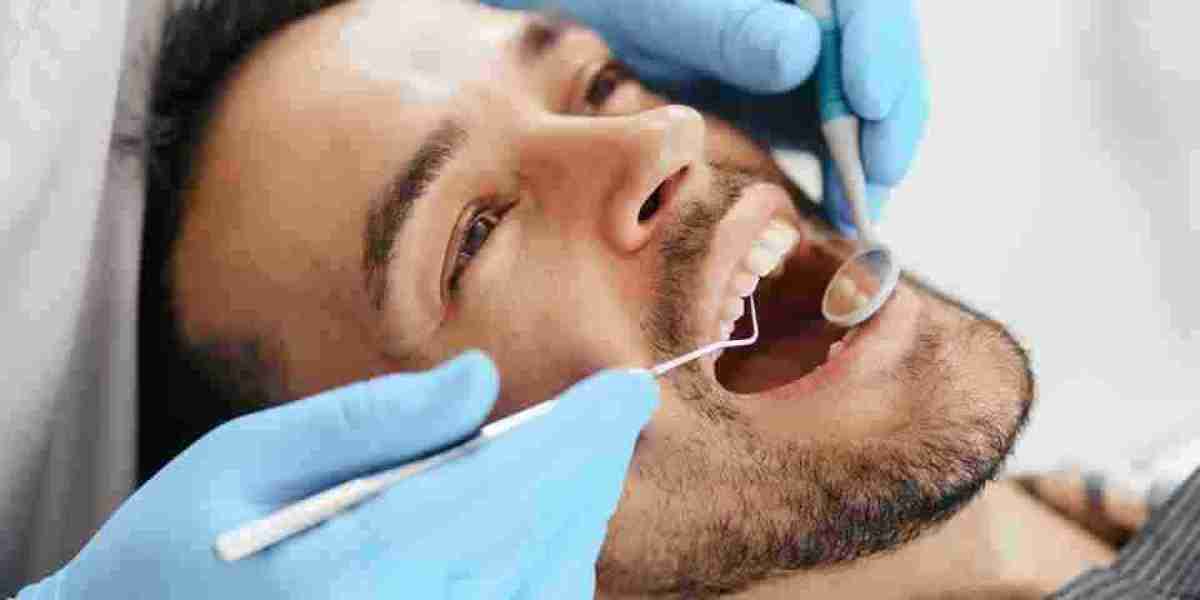

That is why regular dental examinations remain important even when your teeth look and feel normal. During an examination, a dental professional can check areas that may be difficult to inspect with a mirror. For someone searching for a dentist in North Potomac, understanding what these exams can reveal may also make routine dental visits easier to understand.
Why Healthy-Looking Teeth Can Still Have Problems
The visible part of a tooth does not always show its complete condition. For example, decay can develop between two teeth where a toothbrush cannot easily reach. Similarly, early gum problems can begin around the gumline without causing significant discomfort.
Moreover, some dental problems develop slowly. Because the changes happen gradually, you may adjust to minor sensitivity or other symptoms without realizing that something has changed.
Pain also does not always appear at the beginning of a dental problem. Therefore, waiting until a tooth hurts may not be the best way to monitor oral health. Regular examinations can help identify changes before they become more noticeable.
Cavities Are Not Always Easy to See
One of the most common reasons a dentist may find a problem that you cannot see is tooth decay. Early cavities can appear in places that are difficult to inspect, including between teeth, along the gumline, or in deep grooves on chewing surfaces.
At first, a cavity may cause no pain at all. However, as decay progresses, it can move deeper into the tooth and eventually cause sensitivity or toothache.
Dental X-rays can sometimes help identify decay in areas that cannot be seen clearly during a visual examination. However, the need for X-rays depends on factors such as your dental history, age, symptoms, and risk of developing dental disease.
Gum Disease Can Start Without Major Symptoms
Healthy-looking teeth do not necessarily mean that the gums are healthy. Early gum disease can cause changes such as redness, swelling, or bleeding, but these signs may be mild or easy to overlook.
Plaque that remains around the gumline can contribute to gum inflammation. Over time, untreated gum problems may affect the tissues and bone that support the teeth.
During a dental examination, the gums can be assessed for signs of inflammation and other changes. Consequently, routine visits can provide information that you may not notice during daily brushing.
If you are looking a dentist in North Potomac, you can also ask about the signs of gum disease and how your gum health is being monitored during regular examinations.
Small Cracks May Be Hidden
A tooth can develop a small crack without showing an obvious mark. Some cracks are extremely fine, while others may occur on a surface that is difficult to see.
You may notice occasional sensitivity when eating something hot or cold. In other cases, discomfort may occur only when biting or releasing a bite. However, some cracks may cause few or no symptoms in their early stages.
Teeth are exposed to repeated pressure from chewing and biting. Therefore, a crack can sometimes become more extensive over time. A dental professional can examine the tooth and determine whether the change requires monitoring or further evaluation.
Existing Fillings and Dental Work Can Change
Dental fillings, crowns, and other restorations can last for many years, but they are not permanent in every situation. Normal chewing forces, wear, and changes around the restoration can affect its condition.
For instance, a filling may become worn or damaged. In addition, decay can sometimes develop around an existing restoration.
These changes may not be obvious when you look at your smile. As a result, routine examinations can help assess the condition of previous dental work and identify areas that may need closer attention.
Importantly, finding an issue does not always mean immediate treatment is necessary. Depending on the situation, a dentist may recommend monitoring the area, improving oral hygiene, or taking another diagnostic image later.
Tooth Wear Can Reveal Hidden Habits
Your teeth can also show signs of habits that you may not notice yourself. Teeth grinding and clenching, for example, can gradually wear down enamel.
You may not realize that you grind your teeth if it happens during sleep. Nevertheless, a dental professional may notice flattened chewing surfaces, small chips, or other patterns of wear during an examination.
Similarly, frequent exposure to acidic foods and beverages can contribute to enamel erosion. Coffee, soft drinks, sports drinks, citrus products, and other acidic items may affect enamel when consumed frequently.
Therefore, an examination can provide useful clues about how everyday habits may be affecting your teeth.
Your Bite Can Affect Your Dental Health
Dental health involves more than cavities and gum disease. The way your upper and lower teeth meet can also affect how pressure is distributed across your mouth.
An uneven bite or repeated pressure on certain teeth may contribute to wear, sensitivity, chipped teeth, or discomfort. In some cases, these changes happen gradually and are not noticeable during everyday activities.
For this reason, a dental examination may include an assessment of your bite and the way your teeth move or contact one another.
Why Dental X-Rays Can Matter
Looking at your teeth in a mirror only provides a limited view. Dental X-rays can show structures that cannot be examined directly, depending on the type of image taken.
For example, X-rays may help identify decay between teeth, changes around tooth roots, bone loss, or other concerns. However, X-rays are not automatically needed at every appointment.
Instead, dental professionals consider individual factors when deciding whether an X-ray is appropriate. This approach helps balance the need for useful diagnostic information with the goal of avoiding unnecessary imaging.
What You Can Do Between Dental Visits
Regular dental examinations work best alongside consistent home care. Brushing twice a day with fluoride toothpaste and cleaning between your teeth can help remove plaque from areas that are difficult to reach.
Additionally, limiting frequent sugary snacks and drinks can reduce exposure to acids produced by bacteria. Drinking water throughout the day can also help support saliva flow and rinse the mouth.
It is equally important to pay attention to changes. Persistent sensitivity, bleeding gums, swelling, bad breath, tooth pain, or a chipped tooth can all be reasons to seek professional advice rather than waiting for the next routine visit.
For families researching general dental care, resources from practices such as MVP Smiles can also provide helpful information about preventive oral health. However, personal symptoms and dental concerns should be assessed by a qualified dental professional.
When Should You Schedule a Dental Examination?
You do not need to wait for tooth pain before arranging a dental examination. Regular visits allow dental professionals to compare your oral health over time and look for changes that may not be visible to you.
You should also contact a dental professional if you develop persistent pain, swelling, unusual sensitivity, bleeding, or a visible change in a tooth. Furthermore, sudden or severe symptoms may require more prompt attention.
The appropriate frequency of dental visits varies from person to person. Your dental history, oral health, age, risk factors, and home-care routine can all influence how often examinations may be recommended.
Final Thoughts
A healthy-looking smile is a positive sign, but appearance alone cannot confirm that every part of your mouth is healthy. Cavities between teeth, early gum disease, small cracks, enamel wear, and changes around dental restorations can develop without obvious symptoms.
Therefore, regular dental examinations can provide information that is difficult to obtain at home. Combined with good daily oral hygiene and attention to changes in your teeth and gums, professional dental care can help you stay informed about your oral health before a small concern becomes more complicated.