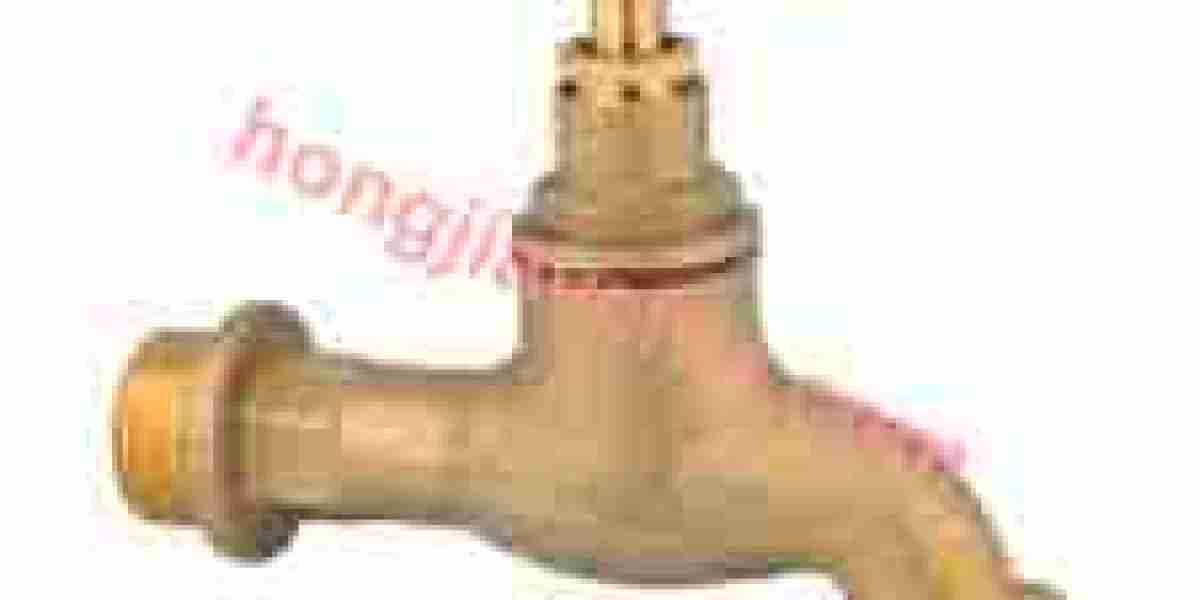

A diversity water device valve sits at the point where one supply line meets several distribution channels. It directs flow, balances pressure, and allows maintenance on one branch without shutting down the entire system. That central role makes it critical to daily operations in homes, farms, and industrial facilities. When the valve works as intended, water moves where it should and no one thinks about it. When problems appear, the effects spread quickly through every channel it serves. Understanding the typical faults helps users respond before small issues become system-wide failures. What signs indicate that a diversity water device valve needs attention?
Mineral buildup ranks among the most frequent complaints in regions with hard water. Calcium and magnesium deposits accumulate on internal surfaces, narrowing passages and restricting flow. A valve that once delivered steady pressure may begin to show reduced output on one or several channels. Deposits can also coat the sealing surfaces, preventing the valve from closing completely. Users in hard water areas should plan for periodic descaling or choose valves designed to resist mineral adhesion.
Seal degradation appears as valves age. Rubber and polymer seals harden, crack, or swell after exposure to heat, chemicals, and repeated pressure cycles. A worn seal allows water to pass even when the valve is closed, creating drips or continuous flow. In some cases, the leak remains internal and goes unnoticed until pressure drops across the system. Replacing seals at recommended intervals prevents this type of failure.
Pressure imbalance troubles multi-channel systems. When one outlet draws heavily, other channels may see reduced pressure or fluctuating flow. A valve that lacks proper balancing features cannot compensate for these changes. Users notice that shower pressure drops when the irrigation line runs, or that one fixture starves while another performs normally. Selecting a valve with balancing capability addresses this problem at the design stage.
Sticking or stiff operation develops over time. Handles that once turned smoothly may require force, and levers may fail to return to position. Mineral deposits, dried lubricant, and worn internal parts all contribute. Forcing a stiff handle can damage the mechanism and lead to a complete failure. Regular exercising of the valve and periodic lubrication keep operation smooth.
Cracking and body damage result from water hammer, freezing, and physical impact. A sudden pressure surge can crack a valve body that has weakened over years of service. Water trapped inside a valve during a freeze expands and splits the housing. Valves installed in exposed locations need insulation or drainage to survive cold weather.
Noise during operation signals internal problems. Whistling, rattling, or humming may indicate that flow is restricted or that internal components have loosened. While some operating sound is normal, a change in pitch or volume suggests that inspection is due.
HongJiavalve manufactures valves and plumbing fittings for residential and commercial markets. The company produces its diversity water device series from corrosion-resistant materials suited to long-term use. Its product line includes designs for different flow rates, pressure ratings, and installation configurations. The company also supports buyers with guidance on selection and maintenance that helps extend service life.
Preventive habits reduce many common problems. Flushing the system after installation removes debris that could lodge in the valve. Checking pressure regularly identifies imbalances before they affect users. Inspecting seals during routine maintenance catches wear before leaks develop. Keeping the area around the valve dry and clean prevents corrosion and contamination.
Resolving diversity water device valve problems comes down to recognizing early signs and addressing them promptly. Mineral buildup, seal wear, pressure imbalance, stiff operation, body damage, and unusual noise each point to specific causes that users can investigate. With consistent care and quality equipment, multi-channel water systems remain reliable. For those seeking dependable valves, HongJiavalve and its diversity water device series can meet the demand, and https://www.hongjiavalve.com offers a look at products built for varied water management needs. How do you keep your water distribution system running smoothly?