
Agricultural Water Pump installation success depends on careful preparation before the first start. Many operators face delays when the unit fails to draw fluid or stops shortly after activation. These issues often stem from simple oversights during setup rather than equipment faults. Addressing them early saves time and protects components from unnecessary stress.
Begin by selecting a firm level surface for the base. Soft or uneven ground allows vibration that loosens fittings over time. Compact the soil or place a concrete pad if the site requires extra support. Anchor the frame firmly so movement stays minimal once the motor engages. Proper support also keeps the shaft aligned with the drive and reduces wear on bearings.
Next examine every joint on the intake side. Even a small gap lets air enter and breaks the continuous column needed for suction. Tighten clamps replace worn gaskets and apply sealant where recommended. Use rigid pipe or heavy hose that resists collapse under vacuum. Keep the intake line as short and straight as possible. Extra bends increase friction and raise the chance of air pockets.
Elevation between the unit and the fluid surface requires close attention. Position the equipment so the vertical distance stays within the design limit. Excessive height makes priming difficult and can cause the impeller to run dry. If the source level fluctuates dig a shallow sump or adjust the mounting platform to maintain safe coverage of the intake.
Clear the strainer before every start. Debris leaves mud or vegetation can block flow within minutes. A blocked screen forces the impeller to work harder and may overheat the seal. Choose a mesh size that matches expected solids while still allowing adequate volume. Inspect and clean the screen at regular intervals during the season.
Fill the casing completely before switching on the power. Air trapped inside prevents proper pressure build up and can damage the mechanical seal through lack of lubrication. Open the priming port pour fluid until it overflows then close the port tightly. Confirm that the discharge valve sits slightly open to allow air to escape during the initial moments of operation.
Verify rotation direction matches the arrow on the housing. Reverse spin produces little or no delivery and may loosen the impeller nut. Check electrical connections or engine linkage carefully so the shaft turns the correct way from the first attempt.
Match the power source to the load. Undersized motors struggle under full demand while oversized ones waste energy. Confirm voltage frequency or fuel supply meets the nameplate values. Allow enough ventilation around the drive so heat dissipates freely.
After the first successful start monitor gauges for steady pressure and listen for unusual noise. Any sudden drop or vibration signals a need to shut down and recheck the intake joints or strainer. Keep a simple log of these early readings to compare later performance.
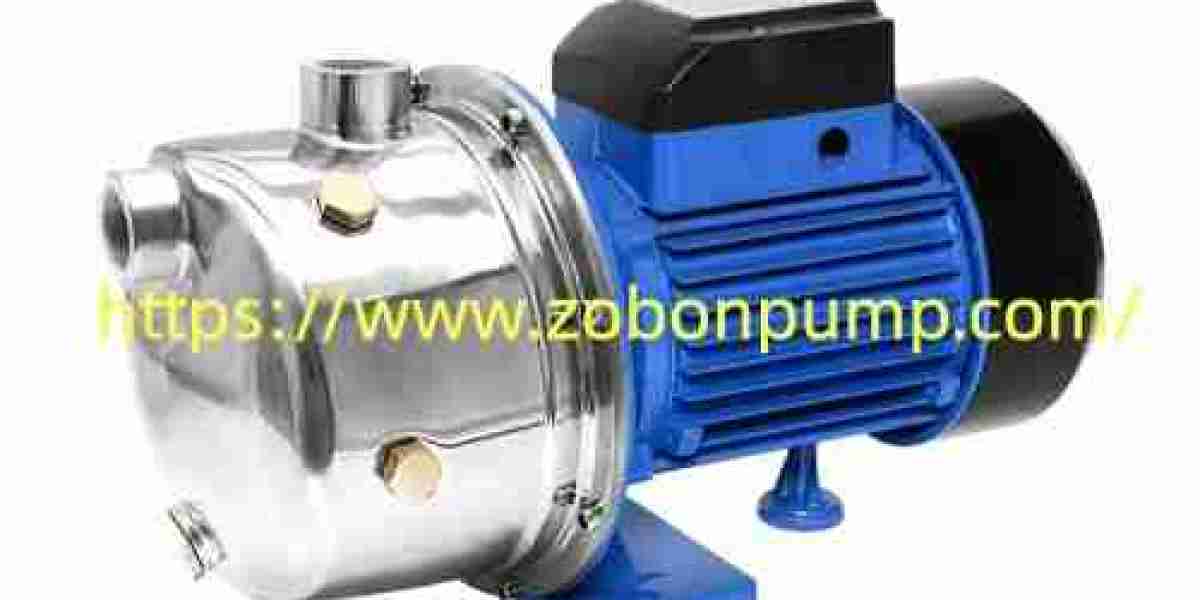
Zobonpump designs incorporate clear priming ports solid base plates and accessible strainers that simplify these steps. Operators who follow the sequence above report fewer interruptions and longer intervals between service visits. Regular attention to foundation integrity airtight seals and intake clearance forms the foundation of dependable field use.
Additional care includes protecting exposed fittings from weather and securing long discharge runs so they do not pull against the casing. These practices keep the entire system balanced and ready for daily cycles.
For detailed product specifications and support resources visit https://www.zobonpump.com/