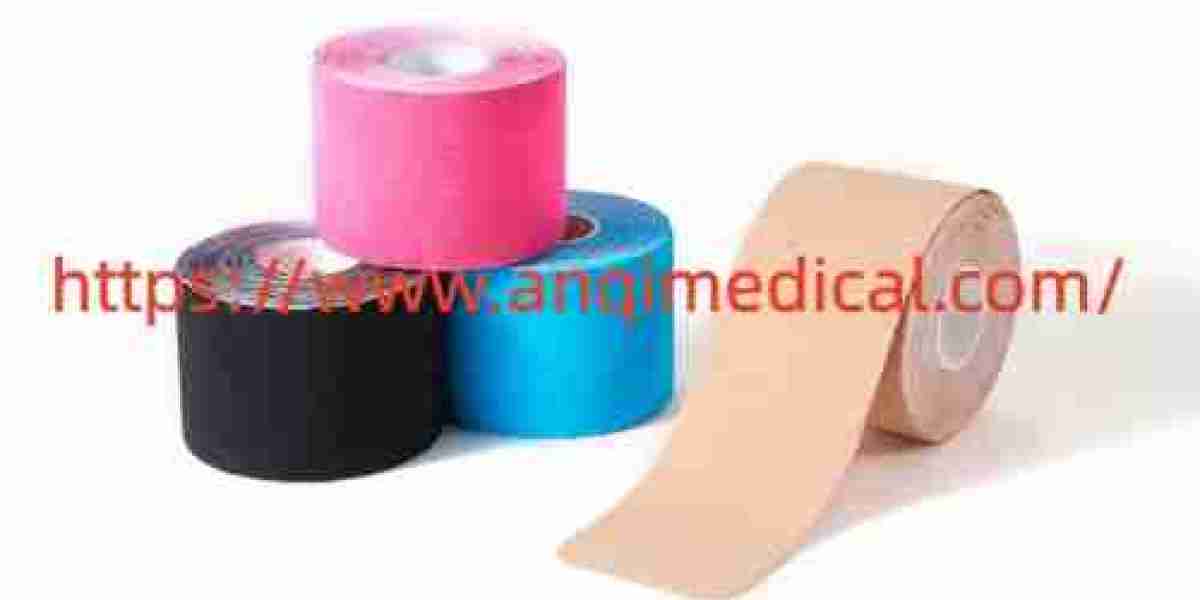

Sports Adhesive Tapes can serve a wide range of applications across athletic training, fitness activities, rehabilitation settings, and sports related retail channels. For manufacturers, adapting a product for different markets requires more than changing a label or package design. Material selection, dimensions, adhesive characteristics, colors, printing, packaging, and application requirements may all need to be considered. A structured customization process allows manufacturers to respond to different purchasing expectations while keeping production practical and manageable.
The first step is understanding the target market. A distributor serving professional sports teams may have different requirements from a retailer selling products to recreational athletes. Medical supply businesses may also focus on different product characteristics than general sports stores. Before production begins, buyers can provide information about intended users, application environments, sales channels, preferred specifications, and expected order volumes. This gives the manufacturer a clearer foundation for discussing suitable options.
Material selection is an important part of customization. Different users may prefer different fabric structures, elasticity levels, surface textures, or thicknesses depending on the intended application. Manufacturers can discuss available materials and evaluate which construction is appropriate for the buyer's target customers. The goal is to balance handling, flexibility, durability, and application convenience according to practical requirements rather than relying on one standard specification for every market.
Dimensions can also be adjusted according to customer needs. Width and roll length influence how a product is handled, stored, displayed, and used. Some buyers may require compact rolls for retail packaging, while others may prefer larger formats for professional environments. Manufacturers can review these requirements before production and determine suitable dimensions based on the intended sales channel and usage scenario.
Adhesive characteristics deserve careful discussion as well. Different applications may require different levels of tack, attachment behavior, or removal characteristics. Buyers should communicate the conditions in which the product will normally be used, including movement, perspiration, storage conditions, and expected application time. Sample testing can then help both sides evaluate whether the selected formulation matches the intended purpose.
Packaging is another area where customization can create a more market appropriate product. Retail buyers may need individual boxes with clear product information, while distributors purchasing in larger quantities may focus more on carton configuration and storage efficiency. Packaging can include product specifications, usage information, company branding, barcode requirements, and other details relevant to the sales channel.
Private labeling is also important for businesses building their own product ranges. Manufacturers can discuss logo placement, label design, package artwork, color preferences, and other branding elements before production. Providing clear artwork files and packaging instructions can help reduce communication problems during the manufacturing process. Sample approval before mass production is a useful step when visual details are particularly important.
Color selection can vary between markets as well. Some distributors may prefer neutral colors for professional applications, while retail customers may respond differently to colors that fit their existing product range. Manufacturers can discuss available color options and determine whether customized colors are practical for the expected order quantity.
Production planning should remain part of the customization conversation. Changes to materials, dimensions, packaging, or printing may influence minimum order quantities, production schedules, sampling procedures, and shipping arrangements. Buyers should therefore communicate their requirements as early as possible. A clear specification sheet can help both parties confirm product details before production starts.
Quality control is another consideration when supplying different markets. Manufacturers can establish inspection procedures covering dimensions, appearance, adhesive consistency, packaging, labeling, and other agreed specifications. Maintaining clear production standards helps ensure that repeated orders remain aligned with the approved sample and purchasing requirements.
Anqimedical supports buyers who need sports and medical support products adapted to different commercial requirements. By discussing application scenarios, product specifications, packaging preferences, and branding needs in advance, buyers can work toward a configuration that fits their particular market. Sample evaluation also gives purchasers an opportunity to review practical details before confirming a larger order.
For international distributors, communication remains an important part of successful customization. Buyers should provide complete information about target customers, intended applications, preferred packaging, estimated quantities, and market requirements. Manufacturers can then assess production feasibility and provide suitable options for consideration. This process can make product development more organized and reduce unnecessary revisions.
Businesses planning to develop or expand a sports support product range can review available solutions and product categories through Anqimedical at https://www.anqimedical.com/product/