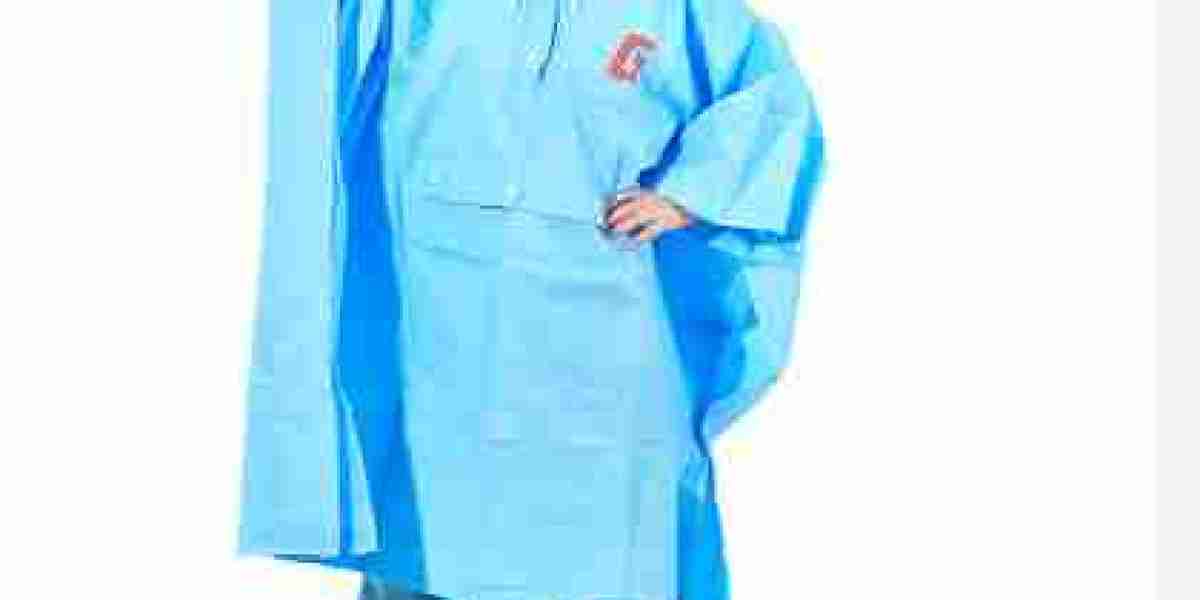

A rider's posture changes considerably compared with walking, so rain protection has to account for more than simply covering the torso. The Rainwear for Cycling category includes poncho-style garments that extend coverage around the upper body while leaving enough room for arm movement.
When riding, the shoulders and arms are extended toward the handlebars, while the upper body often leans forward. A short or closely fitted rain jacket can leave the lower body exposed as the rider changes position. A wider poncho provides additional material around the front and back, helping the outer layer continue covering clothing while the rider is seated.
Back coverage is especially relevant for people carrying backpacks. A conventional jacket may protect the rider but leave the bag directly exposed to rain. A loose Rainwear for Cycling design can extend over part of the backpack, reducing the need for a separate waterproof cover in some situations. For delivery riders, commuters, and electric-scooter users, that difference can affect how quickly they can prepare for changing weather.
The proportions still need to be controlled carefully. More fabric does not automatically mean better usability. Excess material around the arms or front can interfere with movement, while insufficient rear length may leave clothing or bags exposed. Hood dimensions, side coverage, sleeve openings, and overall garment length therefore work together as part of the pattern rather than as isolated details.
Material selection also affects the riding experience. PVC and EVA are commonly used in this type of rainwear, with different thicknesses suited to different requirements. A reusable Rainwear for Cycling garment needs enough flexibility for repeated movement while maintaining a stable waterproof barrier. Material that is excessively stiff may feel cumbersome, while very thin material may not provide the durability expected for regular use.
Construction methods matter as well. Heat-sealed or bonded areas can reduce openings associated with conventional stitched seams, making sealing quality an important production checkpoint. For bulk orders, manufacturers may need to monitor material thickness, seam sealing, garment dimensions, hood size, and printing consistency across production batches.
The hood deserves particular attention because cycling creates airflow around the head. A hood that moves excessively can become distracting, while an opening that is too large can allow rain to enter around the neck. Front-opening and pullover designs also offer different wearing experiences, so the choice can depend on whether the garment is intended for short commutes, delivery work, or general outdoor mobility.
For B2B buyers, these differences provide room to develop several versions within one rainwear range. Color, printing, material thickness, hood structure, opening style, and rear coverage can be adjusted for different markets. Rather than treating Rainwear for Cycling as simply a larger raincoat, its design is shaped by the rider's posture, movement, carried equipment, and the practical demands of two-wheel transportation.