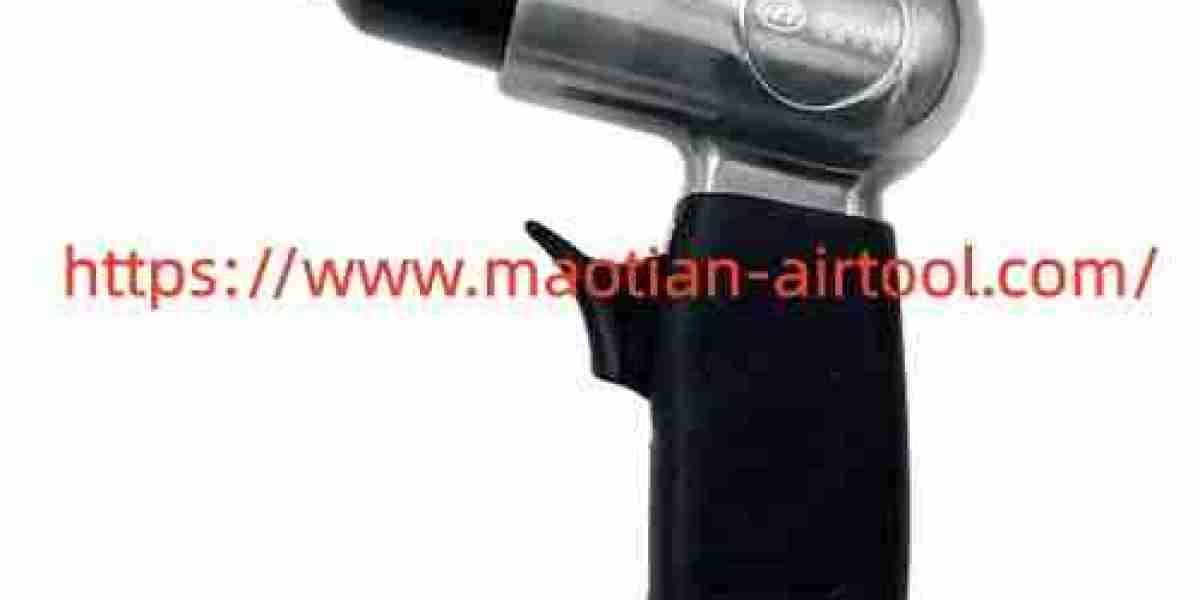

Short Barrel Air Hammer performance depends heavily on stable supply conditions and the right delivery path from the compressor. When pressure at the tool reaches the designed level while the unit runs the internal piston cycles at the intended rate and the operator gains predictable control.
Most units of this type are built around a working pressure of ninety psi measured at the inlet during full trigger activation. Setting the compressor regulator higher to offset line losses often proves necessary so the value at the tool itself stays near that target. Running consistently below the design figure reduces impact energy and slows the work cycle while exceeding the limit places unnecessary stress on seals and moving parts. A simple inline gauge placed close to the connection point allows quick verification and adjustment.
Hose inside diameter plays an equal role. A three eighths inch passage carries sufficient volume for typical consumption rates of three to six cubic feet per minute without creating excessive resistance. Narrower lines common on lighter duty setups can cut effective pressure by ten psi or more over moderate distances and leave the tool underpowered. Longer runs beyond twenty five feet increase friction further so either a larger diameter or a higher source setting becomes useful. Rubber or hybrid polymer construction offers flexibility while resisting kinks that restrict flow.
Fittings and connections deserve equal attention. Quick couplers sized to match the inlet prevent bottlenecks and every extra joint adds a small pressure drop. Using the fewest connections practical and sealing threads properly keeps the system efficient. An inline filter removes moisture and particles that otherwise reach the mechanism and a lubricator meters oil into the stream to protect internal surfaces. Together these components form a basic filter regulator lubricator assembly that stabilizes delivery and extends service intervals.
Compressor capacity must match demand. A unit able to sustain the required cubic feet per minute at the working pressure with a safety margin prevents the tank pressure from falling during extended use. Intermittent operation tolerates a smaller tank while continuous cutting or chipping benefits from larger storage. Daily draining of condensate from the tank and filter bowls keeps the supply dry and free of water that can cause internal corrosion.
Operators also gain from correct technique. Light steady contact with the work surface lets the tool do the work rather than forcing it which can stall the piston or increase vibration. Regular oiling through the inlet after each session maintains smooth action. Checking the retainer and accessory security before each start avoids unexpected release.
When these elements align pressure stays consistent the supply path remains open and the tool cycles evenly. The result is controlled progressive material removal with less operator fatigue and fewer interruptions for recovery or adjustment. Workshops that standardize on the ninety psi target three eighths inch lines limited length and clean lubricated delivery report more predictable results across body work exhaust service and light fabrication tasks.
Maotian builds tools intended for these standard shop conditions so matching the supply system to the design values unlocks the intended response. The same principles apply whether the job involves sheet metal work pin driving or surface preparation.
Attention to these details turns an ordinary setup into one that supports steady productive work day after day. Visit https://www.maotian-airtool.com/product/ to review available options and matching accessories that fit common shop layouts.