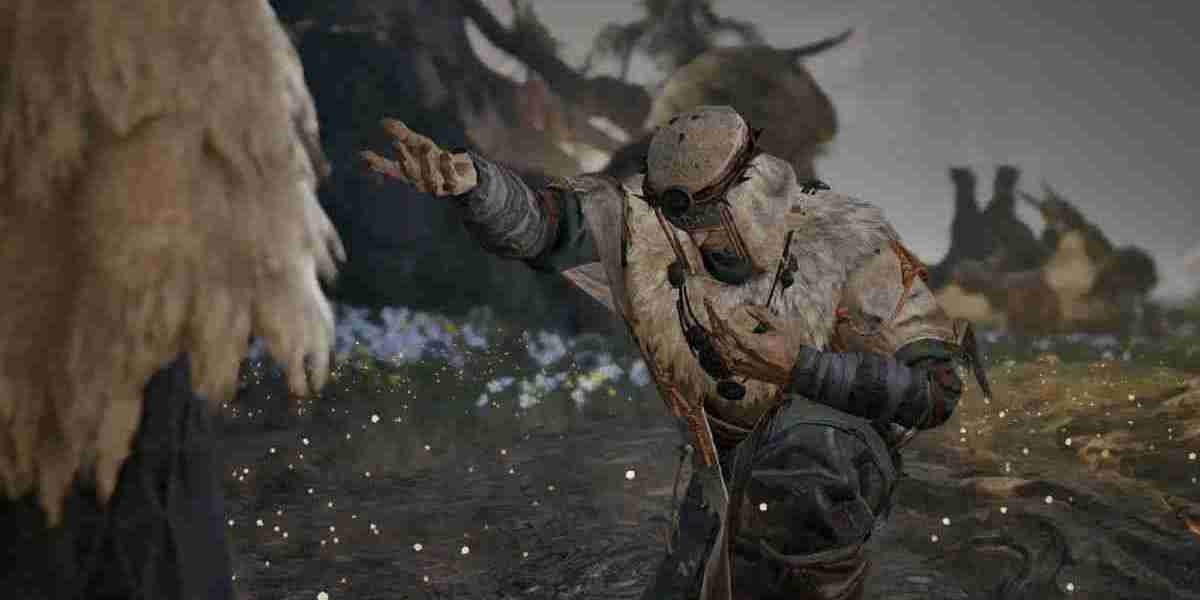

Mistfall Hunter feels more revealing now than it did during launch week. The crowds have thinned, queues can drag outside peak hours, and every expedition asks a sharper question: are you here for a quick fight, or for a risky haul worth carrying home? That choice sits at the heart of the game, especially when you're weighing gear such as Mistfall Hunter Gyldenblod before stepping into Gyldenmist.
The Game Now Feels Built Around Decisions
The early excitement came from discovery. Now, the interesting part is judgment. You hear movement near a ruined gate, spot a useful material, then notice your healing supply is nearly gone. Push on? Turn back? Mistfall Hunter works when those small calls matter more than raw damage numbers.
That pressure is also why the quieter population matters. Fewer hunters can mean slower matchmaking, but empty runs create a different problem: less unpredictability. The game needs enough activity to make every route feel alive, without turning encounters into random noise.
Three Practical Routes Through Gyldenmist
Players tend to settle into one of three habits. None is automatically best. Your choice depends on how much risk you enjoy and whether you're running alone.
1. The Vanguard stays close, blocks carefully, and wins space through steady pressure.
2. The Marksman chips away from medium range, then retreats before trouble closes in.
3. The Mistweaver uses spells, control effects, and movement to survive messy encounters.
The Vanguard feels dependable, though stamina mistakes hurt badly. The Marksman is calmer but needs clear sightlines and disciplined positioning. The Mistweaver has the most answers, yet poor resource timing can leave you exposed at the worst moment.
Why Recovery Beats Greedy Damage
Many failed runs start with the same mistake: building for the fastest possible kill. That sounds sensible until a second enemy arrives, your stamina runs dry, and the escape route is blocked. Recovery tools, movement options, and dependable defence often carry more value across a full expedition.
1. Keep one emergency heal for the journey home.
2. Leave room for materials before entering another fight.
3. Treat every loud encounter as a possible third-party threat.
That mindset changes the whole rhythm. You stop chasing every target. You listen more. You also begin to recognise when a modest haul is already a successful run.
The Technical Test Is Part of the Game
Connection trouble is especially rough here because timing matters. A delayed dodge or late hit can erase a careful plan. Class balance matters too, particularly for solo players who cannot cover a weak role with a teammate. Seasonal content will help only if it adds new decisions instead of another checklist.
Is It Worth Playing in September 2026
Yes, with a little patience. Mistfall Hunter still has a strong sense of place and fights that can produce memorable stories. Just don't expect every session to feel busy, smooth, or perfectly fair. Peak-hour groups will get the liveliest experience, while solo players may need to accept slower pacing.
What I'd Watch Next
| Area | What players need | Why it matters |
|---|---|---|
| Matchmaking | Reliable queues | More varied encounters |
| Solo mode | Fair progression | Stronger long-term appeal |
| Technical quality | Stable connections | Trust in every fight |
If the studio tightens those foundations while keeping losses meaningful, the game has room to recover its rhythm. For now, I'd recommend it to players who enjoy careful routes, tense escapes, and gear decisions that can make buy Mistfall Hunter Gyldenblod feel like part of a real expedition plan, not a routine shopping task.