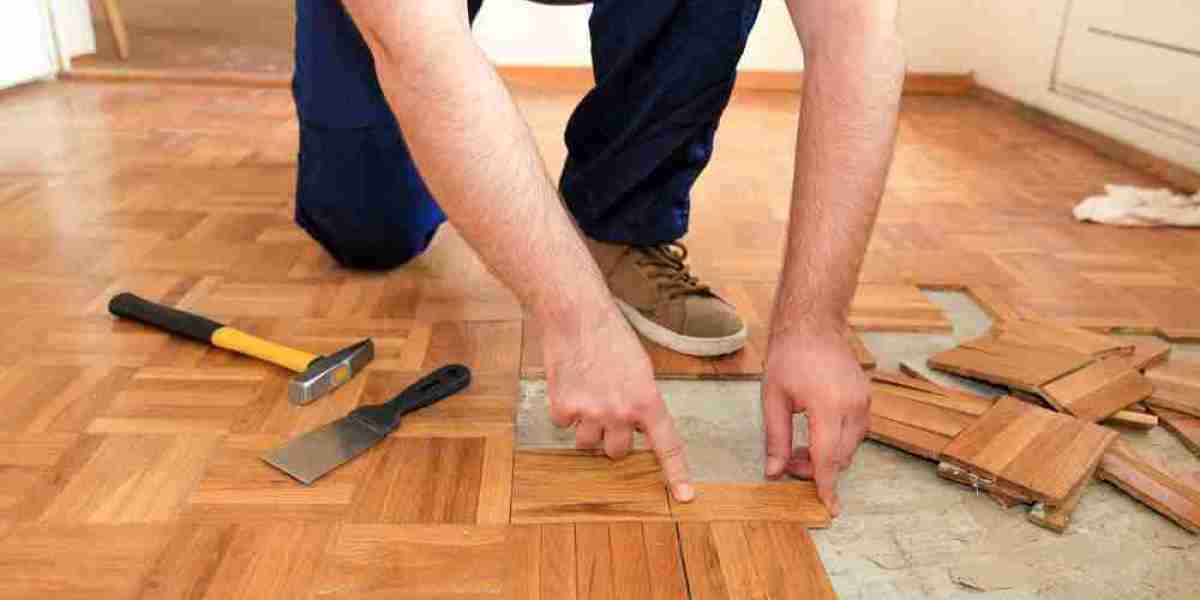

Wood floors can bring warmth and character to a home, but everyday use can eventually leave visible marks on the surface. Scratches, dents, loose boards, gaps, stains, and worn areas can make a floor look older than it really is. Wood floor repairs can address many of these problems without requiring the entire floor to be replaced. The right repair depends on the type and extent of damage. Some issues may involve only the surface, while others can affect individual boards or the floor beneath them. Identifying the problem early can help prevent further deterioration and keep the flooring looking presentable.
Identify the Cause of Floor Damage
Before starting wood floor repairs, it is useful to understand what caused the damage. Scratches may come from furniture, pet activity, shoes, or everyday foot traffic. Water exposure can cause staining, swelling, or changes in the shape of individual boards. Loose flooring may develop because of movement beneath the surface or problems with the original installation. Finding the source of the problem can help determine the most suitable repair approach. Fixing only the visible damage without addressing its cause may allow the same issue to return later.
Repair Scratches and Surface Marks
Minor scratches are among the most common problems found on wood flooring. Over time, repeated foot traffic can leave certain areas looking dull or worn. Wood floor repairs in Spring Valley may involve treating small surface marks, restoring the appearance of affected areas, or refinishing sections where appropriate. The method depends on the depth of the scratch and the condition of the surrounding finish. Light surface marks may require less extensive work, while deeper scratches can expose the wood beneath the finish. Addressing these imperfections can help restore a more consistent appearance.
Replace Severely Damaged Boards
Some flooring damage goes beyond the surface and affects the actual wood board. Deep cracks, severe water damage, splitting, or significant impact can make an individual board difficult to restore. Wood floor repairs can sometimes involve removing the damaged section and replacing it with a suitable matching piece. Careful measurements are important so the replacement fits correctly with the surrounding boards. Matching the wood species, color, grain, and finish can also help the repaired area blend into the existing floor. This approach can preserve the rest of the flooring while addressing the damaged section.
Fix Gaps Between Floorboards
Small gaps can sometimes develop between wood boards as flooring responds to changes in temperature and humidity. Larger or persistent gaps may also indicate installation or moisture-related concerns. Wood floor repairs can help address gaps after the underlying cause has been considered. The appropriate repair method depends on the size, location, and condition of the boards. It is important to avoid treating every gap in the same way because natural seasonal movement is common with many wood floors. Understanding the reason behind the gap can lead to a more suitable repair.
Address Loose or Noisy Boards
Loose boards can create movement or squeaking when people walk across the floor. These sounds may be minor, but they can become frustrating when they occur repeatedly in high-traffic areas. Wood floor repairs can focus on stabilizing affected boards and correcting the source of unwanted movement. The repair may depend on how the flooring was installed and what is located beneath the surface. A careful inspection can help identify which boards are moving and why. Addressing loose areas can make the floor feel more stable and comfortable during everyday use.
Deal With Moisture-Related Problems
Water is one of the concerns that can cause significant damage to wood flooring. Spills, leaks, excessive humidity, or standing water can affect boards and their finish. Wood floor repairs should not begin until the source of moisture has been identified and controlled. Otherwise, repaired flooring may experience the same problem again. Swelling, discoloration, warping, or changes between boards can all be signs that moisture has affected the floor. Quick attention to water-related issues can reduce the possibility of more extensive damage and help protect nearby sections of flooring.
Restore Worn and Faded Areas
High-traffic sections of a home often show wear before other parts of the floor. Entryways, hallways, kitchens, and living areas can develop faded finishes, dull patches, and visible marks from years of use. Wood floor repairs can include restoring selected areas when the damage is limited. In some cases, refinishing may be a better option for bringing the surface back to a more consistent appearance. The condition of the existing finish and the depth of the wear will help determine which approach makes sense for the floor.
Match Repairs With the Existing Floor
One of the challenges of repairing wood flooring is making the repaired area blend with the surrounding surface. New boards can look different from older wood because of changes in color, finish, lighting, and natural aging. Wood floor repairs require attention to these differences when replacing or treating damaged sections. A suitable stain or finish may help create a closer visual match. However, natural wood variation means an exact match is not always possible. Careful selection and preparation can still produce a repaired area that looks natural within the larger floor.
Keep Repaired Floors in Good Condition
Once wood floor repairs are complete, regular care can help protect the restored areas. Routine cleaning can remove dirt and particles that may gradually wear the finish. Furniture pads can help reduce scratches, while rugs may provide added protection in busy areas. Spills should be cleaned promptly, and excessive moisture should be avoided when caring for wood surfaces. Keeping indoor humidity within a reasonable range can also help limit excessive movement in some wood flooring. With proper maintenance and timely attention to new problems, repaired floors can continue to provide a comfortable and attractive surface throughout the home.