
A zipper may look like a small component in a garment, bag, suitcase, or outdoor product, yet its performance is closely connected with the quality of its teeth, tape attachment, spacing, and movement. When a zipper is opened and closed repeatedly, these elements experience continuous mechanical contact, which makes manufacturing consistency especially important. For companies studying zipper production equipment, a resin zipper machine from Lhmachinery offers an interesting reference for understanding how automated forming can influence the characteristics of zippers designed for repeated use. So, can resin zippers handle frequent opening and closing without losing smooth movement?
The answer depends on several connected factors rather than the material alone. Resin zipper teeth need a suitable shape, accurate spacing, secure attachment, and a consistent relationship with the slider. During repeated movement, the slider travels along the teeth while applying contact and friction to the interlocking structure. If the teeth are uneven, poorly positioned, or insufficiently attached to the tape, the zipper may experience resistance, misalignment, or premature damage.
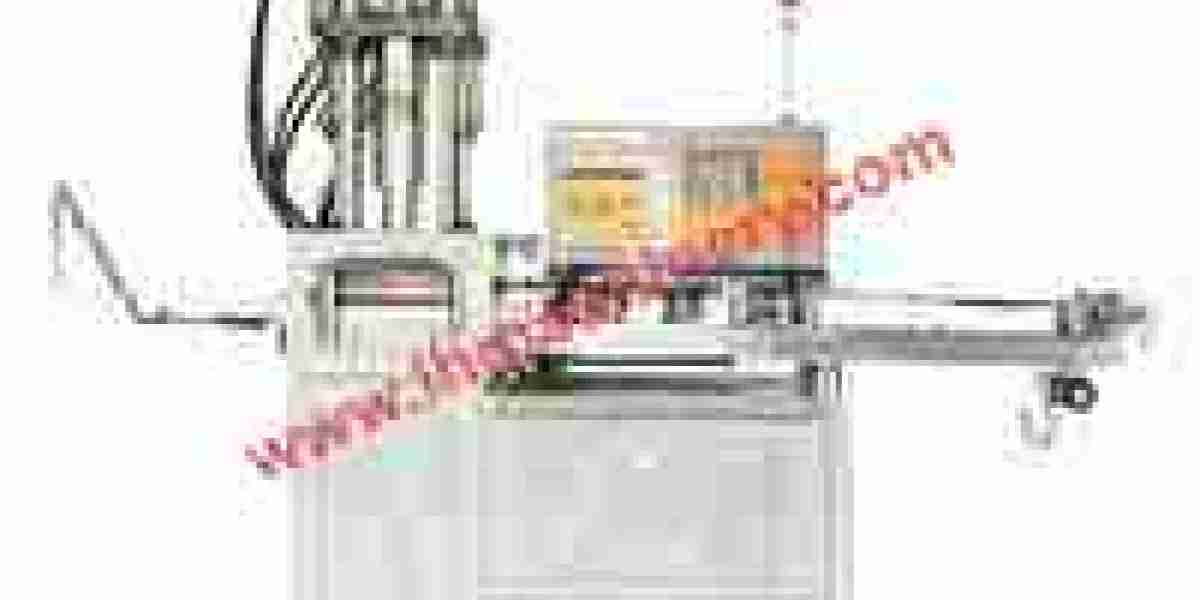
The quality of the molding process therefore has an important role. Injection molding allows the tooth structure to be formed according to a defined mold geometry, while the production system controls the relationship between the molten material, tape position, mold, and movement sequence. A stable process can help maintain similar tooth dimensions throughout a continuous production run. LongHui Machinery describes its automatic zipper equipment as integrating resin injection, tooth forming, and assembly-related processes, allowing manufacturers to produce zipper components with controlled specifications.
To understand repeated opening and closing, it is useful to look at the zipper teeth themselves. Each tooth needs to engage with the corresponding teeth on the opposite side while allowing the slider to move naturally along the chain. The geometry cannot be considered independently from the tape and slider. A small deviation in position may change how the components meet, particularly when the zipper is opened and closed under different angles or when the finished product is exposed to regular bending.
Material selection also affects the behavior of a zipper during repeated use. Resin needs to possess characteristics suitable for the intended application, while the molding conditions need to correspond with the material being processed. Temperature, injection pressure, cooling conditions, mold design, and feeding stability can all influence the final tooth structure. When these variables remain under control, the resulting zipper chain can have a consistent appearance and mechanical relationship between adjacent teeth.
Tape attachment is another factor that should not be overlooked. The teeth are not independent components because they are formed or attached along a flexible carrier. During use, the tape bends while the slider travels across the teeth, creating a combination of movement and tension. If the connection between the teeth and tape is inconsistent, repeated operation can expose weaknesses that may not be obvious during a simple visual inspection.
Slider compatibility is equally important. Even well-formed teeth need to work with the appropriate slider geometry. The slider must separate the teeth when opening and guide them into engagement when closing. Excessive resistance can place additional stress on the teeth and tape, while insufficient engagement may affect closure stability. This is why zipper manufacturing involves a complete relationship between tooth formation, spacing, tape position, slider design, and finished-product testing.
Production consistency becomes particularly valuable when zippers are manufactured for garments, luggage, outdoor travel goods, and similar products. LongHui's automatic zipper molding equipment is presented for applications including the garment and luggage industries, while its product range includes automatic resin zipper equipment and servo-based resin zipper forming equipment.
Automation can also influence how manufacturers manage repeated production. Manual processes may introduce differences in positioning or handling from one production cycle to another, whereas an automated system can coordinate several mechanical actions according to programmed parameters. LongHui's company information states that its zipper machinery uses a PLC human-machine control system with a touch screen and operation panel, while different zipper tooth types can be configured when changing molds.
For manufacturers, another useful consideration is how equipment responds when product specifications change. Different zipper sizes or tooth designs can require corresponding mold arrangements and production settings. A machine intended for flexible manufacturing should therefore provide a practical way to adjust relevant parameters while keeping the forming sequence coordinated. This becomes especially useful for businesses producing several zipper styles rather than concentrating on a single finished specification.
Maintenance also has a direct connection with repeated-use performance. A production line may be technically capable of forming accurate teeth, but worn tooling, unstable feeding, residue, improper lubrication, or misaligned components can gradually affect output quality. Regular inspection of molds, guides, injection components, transmission elements, and control systems can help manufacturers identify changes before they become visible in finished zipper chains.
Quality inspection should therefore consider both appearance and functional behavior. Visual checks can identify incomplete teeth, irregular spacing, surface defects, or inconsistent attachment, while functional testing can examine slider movement, engagement, opening force, closing behavior, and resistance to repeated operation. These checks give manufacturers a clearer understanding of whether the finished zipper is appropriate for its intended application.
For companies researching production equipment, the selection process should begin with the actual zipper specification rather than a machine name alone. Product size, resin characteristics, tooth structure, tape type, expected production rhythm, mold requirements, and quality standards all deserve consideration. LongHui Machinery specializes in automatic injection zipper molding machines as well as multi-station cold heading forming machines, and its manufacturing information describes dedicated technical, production, sales, and after-sales teams.
A zipper intended for frequent opening and closing depends on the relationship between material, tooth geometry, tape attachment, slider compatibility, molding conditions, and inspection procedures rather than on a single production factor. Manufacturers evaluating equipment can examine the automatic resin zipper machine information at https://www.lhmachinery.com/ to understand the equipment configuration and consider whether its forming approach corresponds with their production requirements.