
When a packaging company begins considering an Automatic Box Folder, the purchase should not be based on machine appearance or production speed alone. Box structure, board characteristics, feeding stability, folding requirements, adhesive application, adjustment methods, maintenance access, available floor space, and after-sales communication can all influence whether a machine fits a particular production environment. cenwanmachine develops carton folding and gluing equipment for different packaging applications, with configurations covering straight-line boxes, bottom-lock structures, corner boxes, and other carton formats. With so many factors connected to one investment, what should a business examine before selecting its equipment?
The first consideration is usually the type of packaging that will pass through the machine. A company producing simple straight-line cartons may have different requirements from a manufacturer handling bottom-lock, four-corner, six-corner, or specially shaped packaging. The folding path, glue position, carton dimensions, and forming sequence can change according to the box design, so buyers should prepare actual samples or detailed drawings before discussing a machine configuration with a supplier.
Material compatibility deserves the same attention. Paperboard and corrugated board can differ in thickness, stiffness, surface treatment, printing finish, and folding behavior. A suitable folder gluing system needs to accommodate the materials used in the intended production range while maintaining controlled transportation through each working section. Different carton structures can also require different feeding and folding arrangements, making material testing an important part of equipment evaluation.
Feeding performance is another practical issue that businesses should examine carefully. Before a carton reaches the folding section, the blank needs to enter the production path in a controlled position. Uneven feeding or unstable alignment can influence subsequent creasing, folding, and adhesive placement. A properly designed feeding section can therefore have an important relationship with the final shape of the finished package, particularly when production involves thin paperboard or cartons with several folding lines.
Folding capability should then be evaluated according to the actual box structure. Some packaging designs require several sequential folding actions, while others involve bottom-lock mechanisms or corner formations. Businesses should consider whether the machine can accommodate the crease arrangement, panel dimensions, and folding sequence used by their packaging range. A machine selected only according to nominal capacity may not be appropriate if the carton design requires functions outside its standard configuration.
Glue application is another area that deserves close examination because adhesive placement affects the formation of the final package. The application system needs to place glue along the required bonding area without creating unnecessary residue around the carton. Depending on the box design, manufacturers may require different adhesive arrangements or spraying solutions. Proper coordination between adhesive delivery and folding movement can help the glued panels meet at the intended position during continuous production.
Adjustment is particularly important for businesses producing several carton styles. When dimensions or structures change between orders, operators may need to reposition guides, belts, folding components, or other sections. An equipment design that provides practical adjustment access can make changeovers easier to organize. Buyers should therefore ask how machine settings are changed, which components require manual adjustment, whether automatic adjustment options are available, and how operators can confirm that the new setup corresponds with the approved carton sample.
Automation should also be considered in relation to the company's production rhythm. A coordinated feeding, folding, and gluing sequence can reduce repeated manual handling within the process, while control systems can help different sections operate together. However, automation should correspond with actual operational needs rather than being selected simply because it includes a large collection of functions. A business producing varied box formats may value flexible adjustment, while a manufacturer handling recurring orders may focus on stable transportation and straightforward operation.
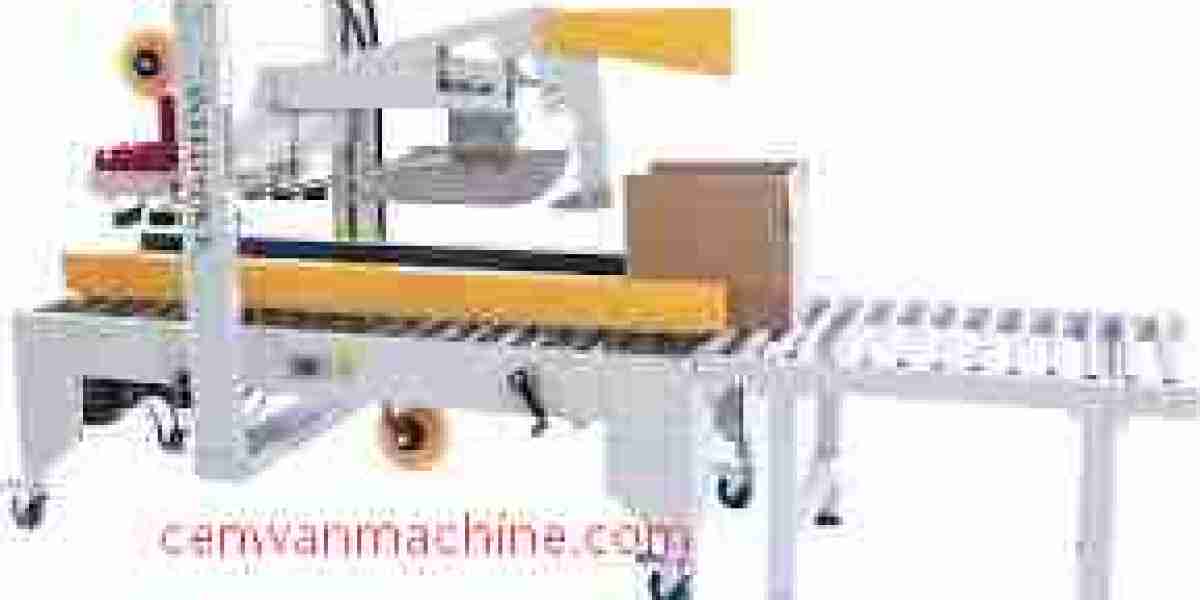
Floor space and production-line arrangement should not be overlooked. Folder gluing equipment can include feeding, calibration, folding, gluing, compression, and delivery sections, creating a substantial installation footprint. Before placing an order, businesses should check the available workshop area, material flow, operator access, electrical requirements, compressed-air conditions, and space reserved for maintenance. Planning these details in advance can help prevent practical difficulties after installation.
Maintenance access is another consideration that can influence daily operation. Moving belts, bearings, folding components, adhesive systems, sensors, and transmission parts require appropriate inspection and servicing. Buyers should understand which components are considered consumable items, how cleaning is performed around adhesive areas, how replacement parts are supplied, and what technical support is available when an unusual operating condition appears. These questions can be discussed with the supplier before the equipment is shipped.
The machine's control system also deserves attention. Operators need to understand how production parameters are displayed, how adjustments are entered, and how abnormal conditions are communicated. A clear control interface can make daily operation easier to organize, particularly when different employees share responsibility for production. Buyers may also ask whether the equipment can include functions such as glue detection, reject handling, or other customized features that correspond with the packaging structure being produced.
Another useful step is to evaluate the manufacturer's ability to discuss customization. Packaging businesses rarely have identical production requirements, especially when their product range includes different carton sizes and folding structures. A manufacturer that can review drawings, samples, material specifications, and production expectations before recommending a configuration can create a clearer technical discussion. This process also gives buyers an opportunity to discuss special folding arrangements, adhesive requirements, packaging materials, and preferred production procedures before the final machine configuration is established.
Service communication should be considered before the purchase rather than after installation. Technical questions can arise during commissioning, operator training, format changes, maintenance, or future production adjustments. A supplier's ability to communicate clearly about machine specifications, installation conditions, operating procedures, spare parts, and technical assistance can become an important part of the purchasing relationship. For international buyers, communication regarding shipment preparation, installation guidance, documentation, and replacement components can also influence the practical experience of using the equipment.
Businesses should also compare equipment according to the complete production process instead of focusing on a single specification. Feeding, calibration, folding, adhesive application, compression, delivery, adjustment, and maintenance form a connected workflow. A machine that appears suitable on paper still needs to match the physical carton, material, workshop conditions, operator capabilities, and expected production schedule. Reviewing samples and discussing actual production requirements with the manufacturer can provide a practical basis for equipment selection.
For companies developing packaging lines around folding cartons or specialty boxes, the available machine configuration should reflect the carton structure rather than forcing every project into the same setup. CenWanMachine provides carton folding and gluing solutions for different packaging applications, allowing buyers to examine equipment according to box construction and production requirements. The stereo box folder gluer page at https://www.cenwanmachine.com can provide a useful reference when reviewing folding requirements, adhesive coordination, production layout, and equipment configuration for an Automatic Box Folder.