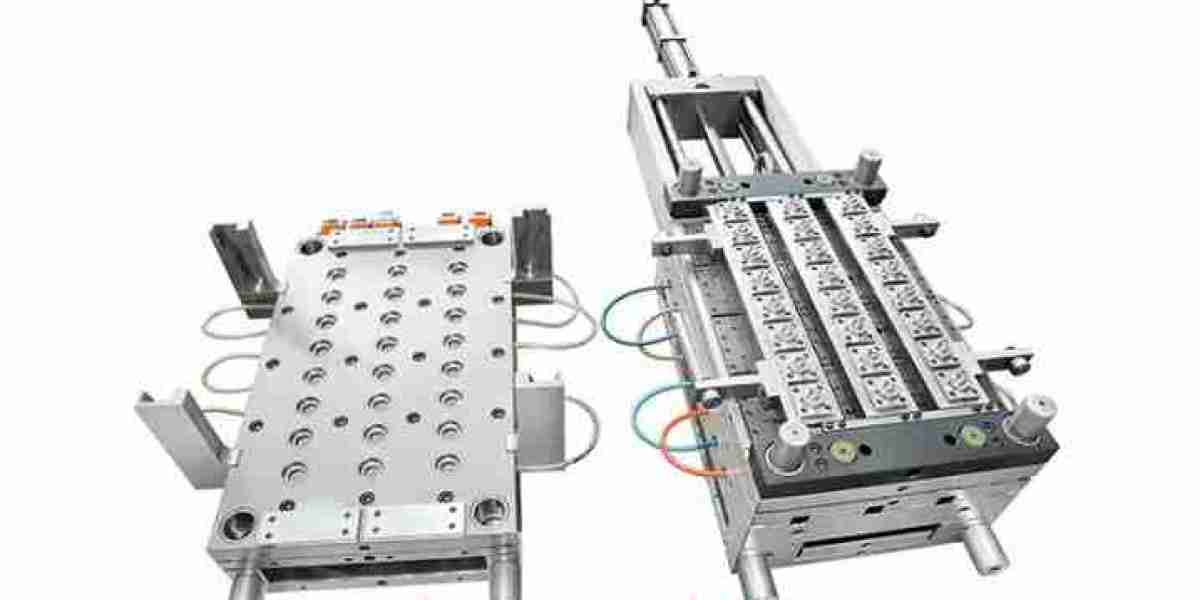

Modern plastic closure manufacturing requires a production process in which movement, material preparation, tooling, forming, cooling, and collection operate in harmony. A Rotary Cap Compression Moulding Machine brings a rotary approach to compression forming, while Capping-Machine develops equipment with attention to practical production requirements and coordinated machine operation. This concept allows manufacturers to consider the entire molding journey rather than focusing on a single stage in isolation.
A rotary configuration can create a continuous movement between different processing positions. As tooling progresses through the machine, individual stages can be arranged around a structured production sequence. This approach gives manufacturers a clear framework for connecting material placement, compression, cooling, and release while maintaining an organized flow through the equipment.
Tooling remains central to the molding process. Plastic closures can feature threads, sealing surfaces, tamper-related structures, and distinctive external profiles. Each detail needs to be reflected in the cavity design and supported by an appropriate forming process. Careful coordination between machine structure and tooling can help manufacturers maintain a logical connection between the intended closure design and its manufacturing method.
Material preparation also deserves careful planning. The plastic material entering the forming area needs to be suitable for the selected process and distributed in a consistent manner. Feeding arrangements should work naturally with the rotary movement so that material transfer does not become an unnecessary interruption. A well-organized material path can contribute to a cleaner and more manageable production environment.
Cooling follows the forming stage and plays an important role in preparing closures for release. The cooling arrangement needs to cooperate with the tooling and rotary sequence, allowing the molded component to reach a suitable condition before moving toward collection. When these stages are thoughtfully connected, the production process can maintain a natural rhythm without making individual operations unnecessarily complicated.
Another consideration is the relationship between the molding system and the surrounding factory layout. Supporting equipment may include feeding units, conveying systems, inspection stations, collection arrangements, or packaging machinery. Planning these connections together can help manufacturers make better use of available working space while considering operator access and routine maintenance.
Production flexibility is also relevant for manufacturers whose product requirements may evolve. Different closure designs can require changes in tooling, material selection, or forming conditions. An adaptable machine structure gives producers more room to evaluate new packaging concepts while retaining an established production framework. This can make future adjustments easier to organize and integrate.
Maintenance should be viewed as part of the original equipment strategy rather than an afterthought. Accessible components, sensible machine organization, and clear operating arrangements can support routine inspection and servicing. Proper attention to tooling and mechanical systems can also help maintain an orderly working environment over the course of regular production.
Selecting a rotary compression solution is ultimately about creating a connection between equipment capabilities and real manufacturing needs. The closure design, material characteristics, tooling concept, machine arrangement, cooling process, operator workflow, and downstream handling should all be considered as parts of one system.
A better production story can begin with a simple closure idea. Let the next chapter start with a closer look at the machinery behind it. Visit https://www.capping-machine.net/product/ and turn your packaging concept into a conversation about what your production line could become.