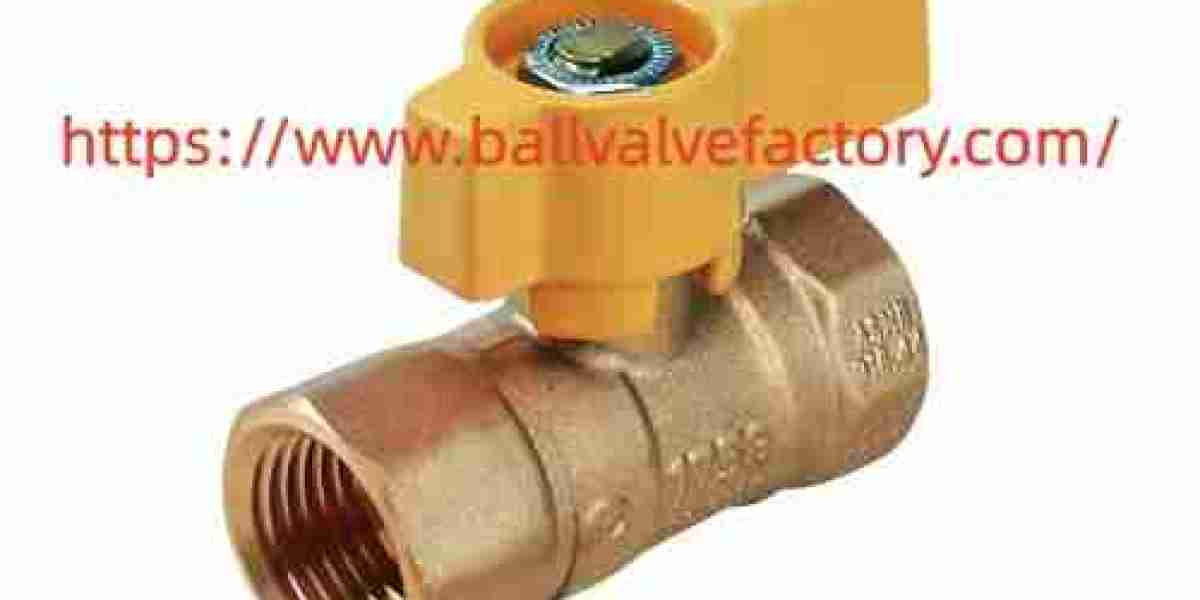

Yellow Handle Gas Valve selection deserves careful attention because gas control components must match the actual installation requirements rather than being chosen by appearance alone. Buyers should review connection dimensions, pressure conditions, applicable gas type, material construction, temperature range, certification requirements, and available installation space before confirming an order. A yellow handle can help identify a gas line component, but the color itself should never be treated as proof of application suitability. Product specifications and applicable regulations remain essential.
One of the first things to check is connection compatibility. Gas piping systems can use different thread forms, sizes, and connection arrangements. Some products use female threaded ends, while other configurations combine threaded and flare connections. These differences matter because a component that looks suitable may not connect directly to the existing pipework. Buyers should confirm the inlet and outlet dimensions as well as the applicable thread standard before purchasing. Some available models, for example, are offered in 3/8 inch, 1/2 inch, or 3/4 inch configurations, showing why size confirmation is important.
The intended gas medium should also be considered. Natural gas and liquefied petroleum gas applications can have different requirements depending on the system, location, pressure, and local regulations. Buyers should check the manufacturers stated application range rather than assuming that every gas control component can serve every installation. This is particularly relevant for distributors handling products for several markets.
Pressure is another specification that should not be overlooked. Different products can carry different pressure ratings depending on their design and certification. For example, commercially available gas ball valves may have ratings for appliance applications or higher pressure service, while the actual permitted use depends on the applicable standard and product documentation. Buyers should compare the required system pressure with the products stated operating limits and avoid selecting a component based only on its nominal size.
Temperature conditions deserve similar attention. A heating installation, outdoor system, appliance connection, or equipment room can expose components to different environmental conditions. Buyers should check the specified operating temperature range and consider whether the installation location falls within that range. Product materials and sealing components should also be evaluated against the intended conditions.
Material construction can influence product suitability as well. Brass is widely used for gas control components, while internal parts may include brass, plated brass, stainless steel, PTFE, elastomer seals, or other materials depending on the design. A product specification that clearly identifies these components gives purchasers a better basis for technical comparison. Material compatibility should be considered together with the gas composition and operating environment.
The handle design is another practical detail. A quarter turn mechanism can make manual shutoff straightforward, while the shape and position of the handle can affect access in a confined installation. Buyers should check whether the handle has enough clearance to move fully between operating positions. This becomes especially relevant when the component is installed close to walls, cabinets, appliances, or other pipework.
Physical dimensions should therefore be reviewed before ordering. Compact body designs can be useful where installation space is limited, but the available clearance still needs to accommodate connections, tools, and handle movement. A dimensional drawing can help contractors confirm whether the selected configuration will fit the planned location.
Certification and compliance should receive particular attention when purchasing for regulated markets. Requirements vary according to location and application, and some products carry certifications or listings associated with specific gas services. For example, gas valves available in the market may reference standards such as UL, CSA, ANSI, ASME, or EN 331 depending on the product and destination. Buyers should request the relevant documentation and confirm that the selected model corresponds with local requirements rather than relying on a general certification claim.
For distributors and engineering buyers, consistency across product batches can also be useful. Clear dimensional information, defined material specifications, stable configurations, suitable packaging, and traceable technical documentation can make purchasing and project coordination easier. This is especially relevant when several sizes or connection combinations are required within the same order.
Ballvalvefactory can support buyers who need to compare gas control products according to practical project requirements. Reviewing dimensions, connection styles, construction details, operating limits, and applicable documentation before ordering helps create clearer communication between manufacturers, distributors, installers, and end users.
A thoughtful purchasing process should begin with the installation rather than the appearance of the handle. Once the gas type, connection arrangement, pressure conditions, temperature range, dimensions, material requirements, and compliance needs have been confirmed, buyers can make a more suitable product decision. To review available product configurations and discuss options for different applications, visit https://www.ballvalvefactory.com/product/ and compare the range according to your project requirements. Ballvalvefactory can provide product information for buyers evaluating different specifications and installation needs.