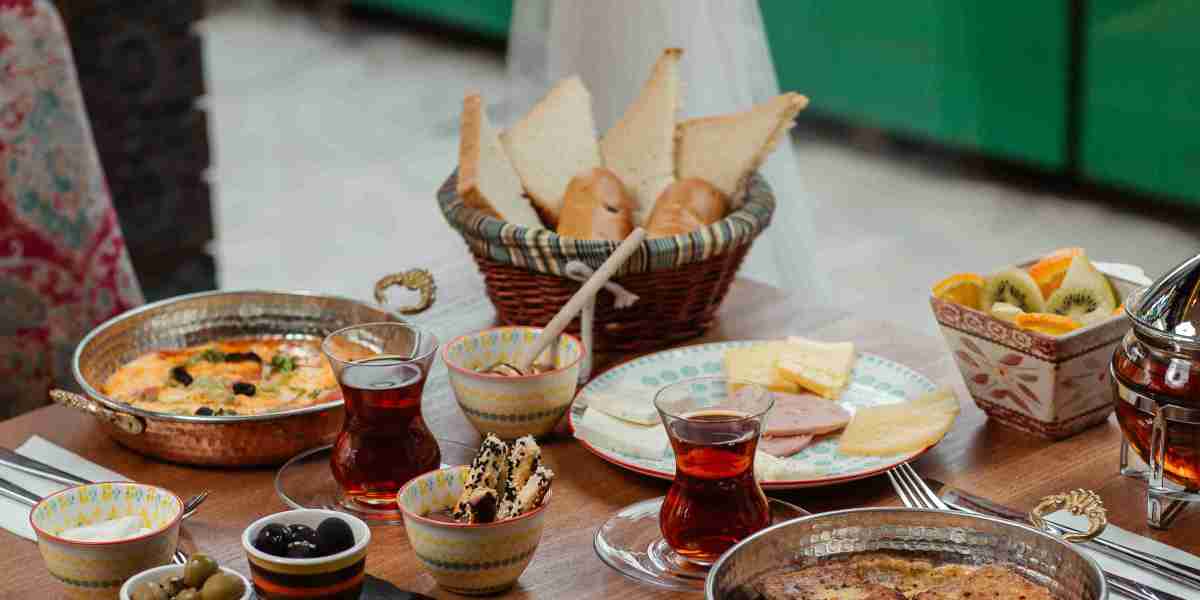

Dubai is celebrated for its extraordinary culinary diversity, but few cuisines offer the warmth, depth, and generosity associated with Lebanese food. Rooted in centuries-old traditions, Lebanese cooking brings together fresh vegetables, aromatic herbs, carefully prepared meats, grains, legumes, and delicate sweets. Every dish carries a sense of place, family, and heritage, making a Lebanese meal more than simply something to eat.
The Essential Flavors That Define Lebanese Cuisine
Authentic Lebanese cooking is built around simplicity and freshness. Rather than relying heavily on complicated sauces or excessive seasoning, many traditional recipes allow the natural character of each ingredient to remain noticeable. Olive oil, lemon, garlic, parsley, mint, sesame, and spices frequently contribute layers of flavor without overwhelming the main components.
A traditional Lebanese meal often begins with mezze, a collection of small dishes designed for sharing. Hummus provides a smooth combination of chickpeas, tahini, lemon, and garlic, while baba ghanoush introduces a gentle smokiness through roasted eggplant. Tabbouleh adds brightness with finely chopped parsley, tomatoes, bulgur, mint, and lemon juice. These preparations demonstrate how vegetables, grains, herbs, and legumes can create memorable dishes without requiring elaborate techniques.
Another defining feature is the importance of freshly prepared bread. Warm flatbread is commonly enjoyed alongside dips, grilled specialties, and salads. Its soft texture makes it ideal for scooping up creamy spreads, while its subtle flavor complements stronger ingredients.
Spices also play an important role, although Lebanese cuisine generally maintains a balanced approach. Cinnamon, allspice, cumin, sumac, and black pepper may appear in different preparations, creating warmth and fragrance. The result is a cuisine that feels flavorful without becoming excessively heavy.
Freshness extends beyond ingredients to the way food is served. Herbs may be added shortly before eating, salads are often dressed with lemon and olive oil, and grilled items are best enjoyed immediately after preparation. This emphasis on freshness gives Lebanese cuisine its distinctive liveliness.
Discovering Dubai’s Lebanese Dining Experience
Dubai offers an impressive range of Middle Eastern dining experiences, from casual neighborhood eateries to elegant restaurants designed for leisurely gatherings. For anyone searching for the top Lebanese restaurants in Dubai, the best approach is to look beyond presentation and consider how closely the dining experience reflects traditional culinary values.
A memorable Lebanese restaurant should create an atmosphere where food is naturally connected to hospitality. Sharing is central to the culture, and a table filled with colorful mezze, freshly baked bread, salads, and hot dishes encourages conversation. Dining becomes a social experience rather than a rushed meal.
The side dishes accompanying grilled food are equally significant. Garlic sauce, pickles, fresh vegetables, herbs, and warm bread provide contrast to rich meats. These combinations create a complete meal in which acidity, creaminess, freshness, and smokiness work together.
Dining traditions also influence how Lebanese food is experienced in Dubai. Large shared tables are ideal for families and groups of friends, allowing everyone to sample different preparations. Ordering several small plates rather than one main course can reveal a broader range of flavors and textures.
Dubai’s multicultural population has also encouraged Lebanese cuisine to evolve while retaining its identity. Some restaurants present classic recipes in sophisticated settings, while others maintain a relaxed environment inspired by traditional neighborhood dining. This variety allows visitors to choose an experience that suits their preferences without losing touch with the cuisine’s foundations.
How to Explore Lebanese Food Like a Local
Exploring Lebanese cuisine becomes more rewarding when approached with curiosity. Instead of immediately choosing familiar dishes, diners can gradually expand their selection and discover preparations that may not appear on everyday menus.
Begin with a selection of cold and warm mezze. A combination of hummus, moutabal, tabbouleh, warak enab, and fried or baked specialties can provide an introduction to the cuisine’s range. The contrast between creamy, tangy, smoky, crisp, and herbaceous flavors makes mezze an excellent starting point.
Next, explore grilled dishes and traditional mains. Kafta combines minced meat with herbs and spices, while shish tawook offers tender chicken prepared with a flavorful marinade. Lamb preparations provide a richer alternative, particularly when paired with fragrant rice or grilled vegetables.
Vegetarian dishes deserve equal attention. Lebanese cuisine has a remarkable variety of plant-based preparations, including lentil dishes, stuffed vegetables, salads, and legumes. These recipes demonstrate that Lebanese food is not dependent on meat to remain satisfying. The careful use of herbs, lemon, garlic, tahini, and olive oil gives vegetables considerable depth.
Desserts provide another dimension to the experience. Lebanese sweets often combine pastry, nuts, syrup, cream, and floral flavors. Baklava, maamoul, and other traditional creations offer different textures and levels of sweetness. Some feature pistachios or walnuts, while others incorporate dates or delicate semolina-based mixtures.
Coffee and tea can complete the meal. Lebanese-style coffee is traditionally strong and aromatic, while tea may be served with herbs or enjoyed simply after dining. These small rituals encourage guests to slow down and extend the experience beyond the final dish.
Authenticity can also be appreciated through preparation methods. Look for dishes that show attention to grilling, roasting, baking, grinding, and marinating rather than relying on heavily processed ingredients. The character of traditional cuisine often becomes most apparent through these techniques.
Grilled specialties are particularly important. A quality Lebanese grills restaurant typically focuses on properly marinated meat, controlled cooking temperatures, and the distinctive smoky character created by grilling over heat. Shish tawook, lamb kebabs, kafta, and mixed grills are among the dishes that demonstrate the importance of technique. The meat should remain tender while developing a lightly charred exterior, with marinades enhancing rather than masking its flavor.
Ultimately, exploring Lebanese food in Dubai is about understanding the relationship between ingredients, preparation, and hospitality. The cuisine celebrates generosity, balance, and togetherness. A table filled with shared dishes creates an environment where people can taste something unfamiliar, discuss their favorites, and discover new combinations.
Dubai’s Lebanese food scene makes this culinary exploration especially accessible. With traditional recipes available alongside modern interpretations, diners can experience both the heritage and continuing evolution of Lebanese gastronomy. The most memorable meals are rarely defined by a single dish. Instead, they emerge from the combination of fresh ingredients, thoughtful preparation, welcoming service, and the pleasure of sharing food.
For anyone eager to explore Middle Eastern flavors, Lebanese cuisine offers an inviting starting point. Its vibrant salads, creamy dips, aromatic grains, grilled specialties, warm breads, and delicate desserts create a journey that appeals to both adventurous diners and those discovering the cuisine for the first time. In Dubai, that journey can unfold across countless dining experiences, each offering its own interpretation of a culinary tradition that continues to bring people together.