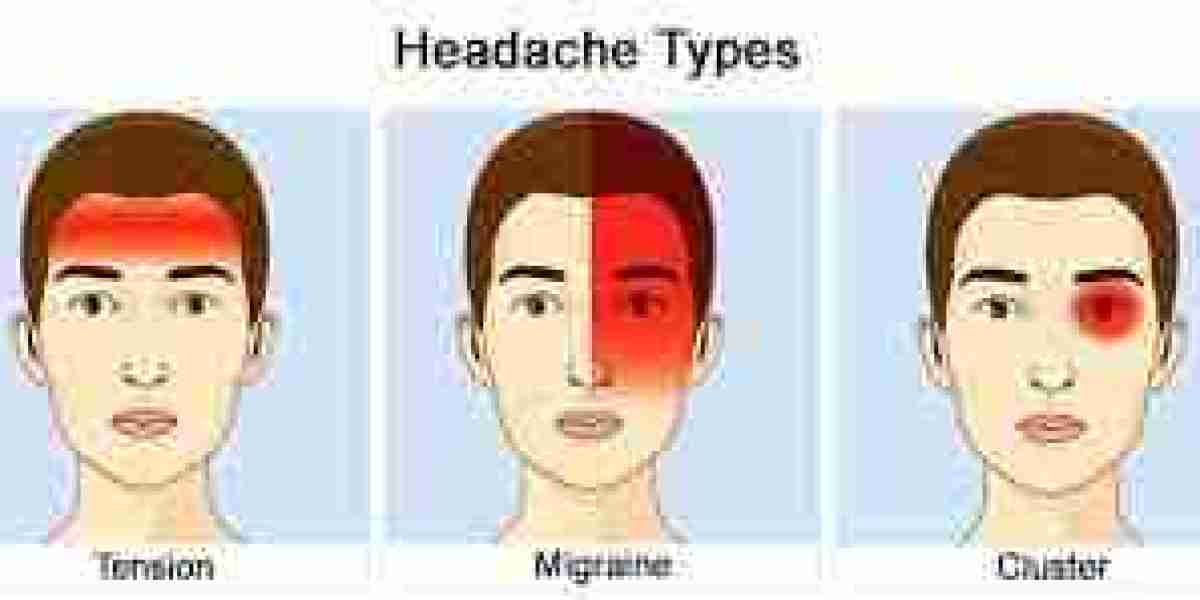

Headaches are common, but not all headaches are the same. Migraines and cluster headaches are two distinct neurological conditions that can cause severe pain and significantly affect daily life. Because their symptoms can sometimes overlap, knowing the differences between them can help you recognize when professional neurological care is needed.
At Neurology and Pain Management Clinic (NPMC), Dr. Gautam Arora (MBBS, MD, DM), an experienced Neurologist in Delhi, provides comprehensive evaluation and personalized treatment for migraine, cluster headaches, and other headache disorders.
What Is a Migraine?
A migraine is a neurological condition that commonly causes moderate to severe, often throbbing or pulsating head pain. It frequently affects one side of the head, although pain can occur on both sides.
A migraine attack may last from several hours to a few days. Some people experience aura before or during an attack. Aura can include temporary visual changes, flashing lights, blind spots, tingling, or difficulty speaking.
Common migraine symptoms include:
- Throbbing or pulsating head pain
- Nausea or vomiting
- Sensitivity to light, sound, or smells
- Worsening pain with routine physical activity
- Visual disturbances in some people
- Fatigue or difficulty concentrating
What Is a Cluster Headache?
Cluster headache is a less common but extremely painful headache disorder. Attacks usually cause intense pain around or behind one eye and tend to occur in patterns called clusters.
Individual attacks are generally shorter than migraines but can occur repeatedly during a day. A cluster period may continue for weeks or months, followed by periods without attacks.
Typical symptoms include:
- Severe pain around or behind one eye
- Red or watery eye on the affected side
- Drooping or swelling of the eyelid
- Nasal congestion or runny nose
- Facial sweating
- Restlessness or an inability to stay still
The distinctive eye and nasal symptoms on the same side as the pain are important clues that the headache may be a cluster headache.
Key Differences Between Migraines and Cluster Headaches
Although both can cause severe pain, several features help distinguish them.
Migraine:
- Attacks commonly last 4–72 hours
- Pain is often throbbing or pulsating
- Nausea and sensitivity to light and sound are common
- People often prefer to rest quietly in a dark room
- Aura may occur
Cluster headache:
- Attacks commonly last around 15–180 minutes
- Pain is usually extremely severe and concentrated around one eye
- Eye watering, redness, or nasal symptoms may occur
- Attacks can happen multiple times in one day
- Restlessness is common during an attack
Common Migraine Triggers
Migraine triggers vary from person to person. Common triggers may include:
- Stress and emotional changes
- Poor or irregular sleep
- Skipping meals
- Dehydration
- Bright or flashing lights
- Strong smells
- Hormonal changes
- Certain foods or beverages
- Sudden changes in weather
Keeping a headache diary can help identify personal triggers and patterns.
Cluster Headache Triggers
Cluster headaches have different patterns and triggers. Alcohol is a well-known trigger during an active cluster period. Strong smells, heat, or certain environmental factors may also trigger attacks in some individuals.
Unlike migraines, cluster headaches often follow a predictable pattern and may occur at similar times of day.
When Should You See a Neurologist?
Frequent, severe, or changing headaches deserve professional evaluation. You should seek medical attention if headaches:
- Become more frequent or severe
- Interfere with work, sleep, or daily activities
- Require frequent pain medication
- Are accompanied by neurological symptoms
- Suddenly become extremely severe
- Begin for the first time later in life
A sudden, severe headache accompanied by weakness, confusion, speech difficulty, loss of vision, or other neurological symptoms requires urgent emergency medical assessment.
Diagnosis and Treatment
A neurologist can distinguish migraine, cluster headache, and other headache disorders through a detailed medical history and neurological examination. Imaging or additional tests may be recommended when symptoms suggest another underlying condition.
Treatment depends on the diagnosis and may include preventive medicines, acute treatments, lifestyle modifications, and strategies to manage individual triggers.
Conclusion
Migraines and cluster headaches can both be debilitating, but they are different neurological conditions with different patterns, symptoms, and treatment approaches. Recognizing these differences can help you seek appropriate care instead of relying on repeated self-medication.
At Neurology and Pain Management Clinic (NPMC), Dr. Gautam Arora (MBBS, MD, DM) offers expert neurological evaluation and personalized headache management. If recurring headaches are affecting your quality of life, timely consultation with a Neurologist in Delhi can help identify the cause and develop an appropriate treatment plan.