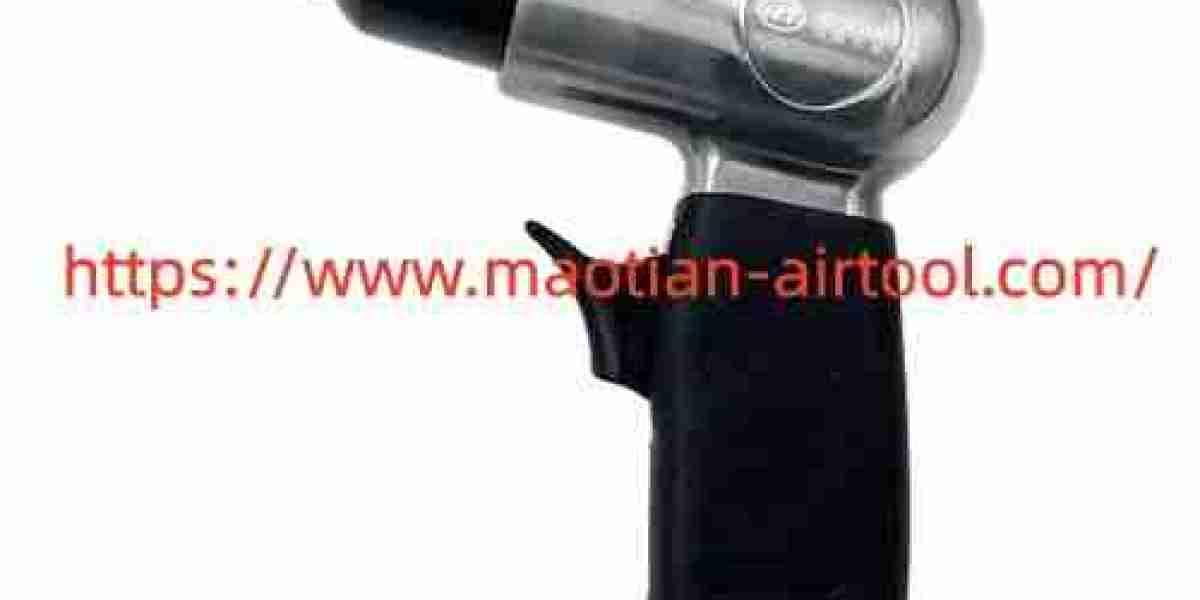

Short Barrel Air Hammer can be used across a range of workshop applications when the tool configuration, attachment, air supply, and working method are matched to the job. From automotive maintenance and exhaust work to rust removal and light metal cutting, pneumatic hammering can provide a practical way to apply repeated impact to a workpiece. Current products in this category show that specifications can vary considerably, with some models offering around 3,000 to 3,500 blows per minute and operating around 90 PSI.
Automotive repair is one of the common application areas. Technicians may use pneumatic hammering equipment for tasks involving exhaust components, body panels, suspension work, and other mechanical assemblies. A compact body can be useful when access around the workpiece is limited. Product information from manufacturers and retailers commonly lists applications such as muffler removal, pipe work, body shop tasks, shock work, and front end servicing.
Removing rust and surface buildup is another practical application. Corrosion can make mechanical components difficult to separate, particularly around older fasteners and metal assemblies. With an appropriate attachment, repeated impact can help break up rust or surface material. The attachment should always match the intended task and be securely installed before operation. Manufacturers of pneumatic hammers provide different attachment options for cutting, scraping, chipping, and related maintenance work.
Metal cutting can also be handled when the correct cutting attachment is selected. This can be useful during repair work where a damaged or unwanted section needs to be separated. The operator should allow the attachment to work against the material rather than applying unnecessary force. Different materials require different working approaches, so users should consider material thickness, hardness, access, and the type of attachment being used.
Exhaust system servicing is another area where compact pneumatic hammering equipment can be useful. Rusted components and fasteners can be difficult to remove with conventional hand tools. A suitable attachment can deliver repeated impacts to help loosen or separate components. However, the tool should be used according to its rated specifications, and the attachment should be selected specifically for the intended operation.
The choice of attachment has a direct effect on application flexibility. Pointed, flat, cutting, and other attachment profiles are designed for different types of work. Users should check the shank dimensions and retaining system before installation. Some current models use a 0.401 inch shank opening, while other pneumatic hammer designs use different dimensions. Compatibility should therefore be confirmed from the individual product specifications rather than assumed.
Air supply is another important factor when moving between different workshop jobs. Pneumatic equipment depends on compressed air, so users should check the recommended pressure, airflow, inlet connection, and hose requirements. One current short barrel model specifies 90 PSI and approximately 2.5 CFM average consumption, while another comparable model lists 90 PSI and 1.8 CFM. These differences show why compressor compatibility should be evaluated for the specific product.
Air quality and lubrication also deserve regular attention. Pneumatic equipment can be affected by moisture, contamination, and insufficient lubrication. Maintenance guidance for air hammers commonly recommends keeping the air system clean and dry, draining condensation, and applying suitable pneumatic oil according to the manufacturers instructions. Regular inspection can also help identify loose parts, worn attachments, or damaged retainers before continued use.
Operator technique matters when handling repeated impact. The workpiece should be secured, and the attachment should be held firmly against the working surface before the trigger is activated. Users should avoid forcing the tool into the material. Appropriate eye and hearing protection should also be used because hammering operations can generate flying particles, noise, and vibration. Safety guidance for pneumatic hammers specifically recommends securing the workpiece and checking the attachment before operation.
For workshops handling several types of repair work, choosing equipment around actual applications can make daily operations easier to organize. Maotian focuses on pneumatic equipment for workshop and mechanical applications, allowing customers to consider different configurations based on their intended tasks, air systems, attachments, and operating requirements.
The key is not simply choosing equipment according to one specification. Buyers should consider the material, access conditions, attachment compatibility, air pressure, airflow, operating frequency, and maintenance requirements together. Customers interested in reviewing Maotian pneumatic products and available configurations can visit https://www.maotian-airtool.com/product/ and compare the available options with their workshop needs. A practical application based approach can help users select equipment that fits the work they actually perform.