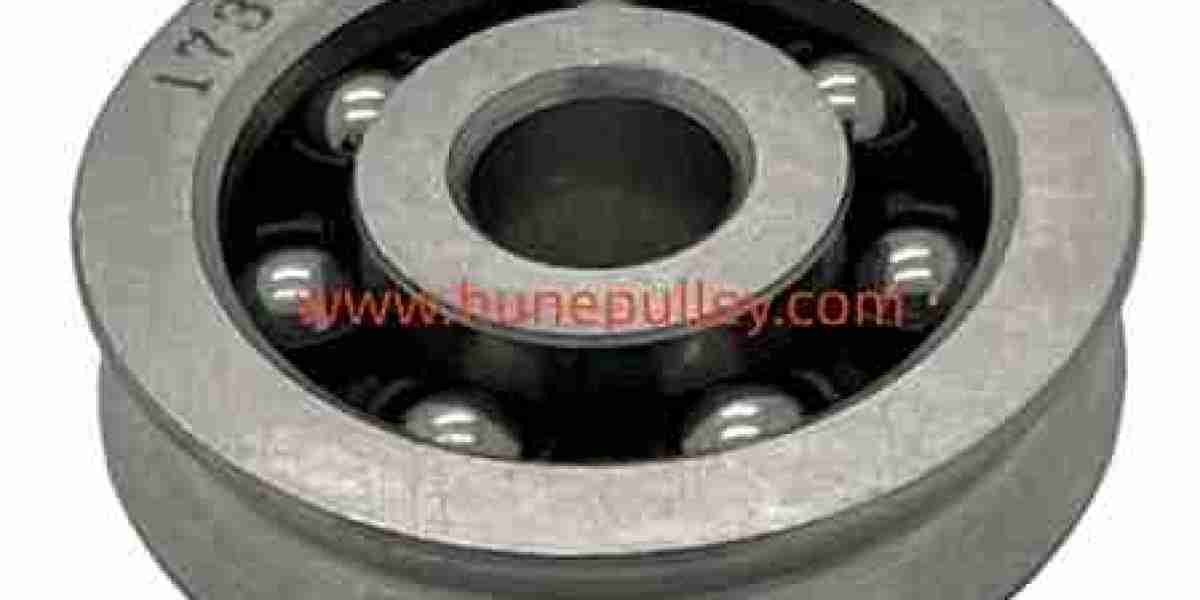

A Bearing Pulley Wheel can play a meaningful role in mechanical systems where controlled movement and reliable component coordination matter. Hunepulley develops pulley solutions with attention to practical applications, helping manufacturers and hardware suppliers consider movement, installation, and compatibility when planning different assemblies. Although a pulley may appear to be a small part of a larger product, its structure can influence how the entire mechanism feels during everyday operation.
Movement systems often depend on several components working together. Wheels, bearings, tracks, mounting structures, and connected parts must interact in a coordinated manner. A suitable pulley can help guide movement along the intended path while supporting a design that is easy to integrate into the surrounding structure. This makes component selection an important step during product development and hardware sourcing.
For furniture systems, doors, cabinets, equipment, and other movable structures, space and construction requirements can vary considerably. Different designs may call for particular wheel materials, mounting arrangements, bearing structures, or surface treatments. Instead of applying one configuration to every project, manufacturers can evaluate the actual working environment and select a component that corresponds with the intended application.
The bearing structure deserves particular consideration because it is closely connected with rotational movement. Proper coordination between the bearing and wheel can contribute to fluid operation while reducing unnecessary resistance within the mechanism. When combined with an appropriate track or guiding surface, the component becomes part of a complete movement solution rather than an isolated hardware accessory.
Material choice can also influence how a pulley fits into a project. Depending on the application, designers may consider factors such as contact surfaces, surrounding materials, appearance, operating conditions, and installation requirements. A practical design approach balances functional needs with the overall construction, allowing the hardware to become part of the product without distracting from its intended appearance.
Installation is another area where thoughtful component design can make a difference. When mounting structures and connected parts are compatible, assembly can be easier to organize. This can be particularly useful for manufacturers who work with different product configurations and need components that can adapt to varying construction approaches.
For distributors and project buyers, sourcing is not simply about finding a wheel that moves. It involves understanding the relationship between component structure and final application. Clear product information, suitable configurations, and responsive communication can help buyers evaluate whether a particular solution aligns with their requirements before production or installation begins.
A well-considered pulley can remain almost unnoticed once a system is assembled. Its value is often reflected through the movement it helps create rather than through its visual presence. This quiet role makes careful selection worthwhile when developing products where smooth handling, coordinated construction, and practical installation are important.
If your next project depends on movement that feels natural and construction that makes sense, take a closer look at the mechanism behind it. Visit https://www.hunepulley.com/product/ and let your next hardware idea begin with a component worth considering.