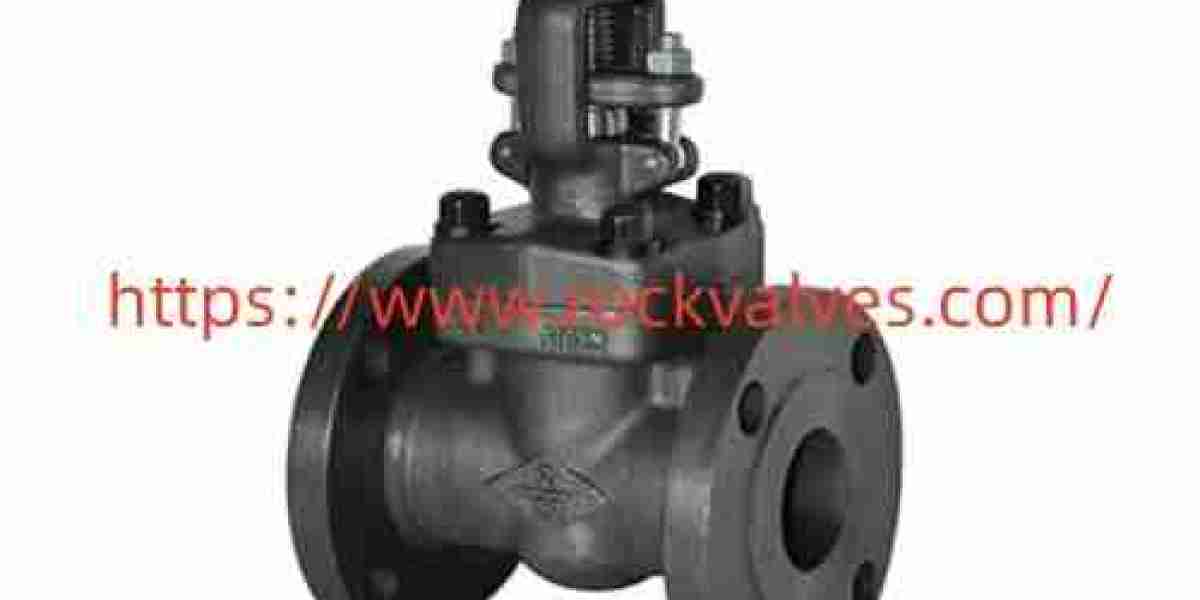

Sour Service Gate Valve designs address environments that contain hydrogen sulfide mixed with free water. These products operate in upstream oil and gas production where well streams and gathering lines carry partial pressures of H2S that trigger material restrictions. Operators place the units at wellheads and manifold stations to isolate sections during interventions while the remainder of the system stays active. The construction follows hardness limits and alloy qualifications that reduce the chance of sudden cracking under tensile stress.
In midstream transmission the same items control flow at compressor stations and block valve locations along long distance routes. Wet gas streams with even modest H2S levels require documented compliance so that bodies, stems and seating surfaces remain within accepted ranges. Refineries apply the assemblies in amine regeneration circuits and sour water stripper overhead lines where the combination of H2S, ammonia and chlorides creates aggressive conditions. Isolation during turnaround periods depends on the ability of the products to hold pressure without leakage after extended exposure.
Gas processing plants install the units upstream of sweetening towers and downstream of regenerators. Sulfur recovery trains also rely on them for liquid sulfur and acid gas routing. Controlled chemistry and post weld heat treatment keep the heat affected zones below the threshold that would invite embrittlement. Offshore platforms use the devices in limited space production modules where vibration and temperature swings add further demands on stem packing and body integrity.
Selection starts with confirmation of the actual H2S partial pressure, presence of free water, temperature range and chloride content. Body materials often stay within carbon or low alloy grades provided hardness stays at or under 22 HRC. Trim components may shift to austenitic stainless or nickel alloys when higher corrosion resistance is needed. Bolting follows modified grades that meet the same hardness ceiling. Welding procedures require qualification records and hardness surveys on production joints.
Storage and handling before installation protect sealing faces from mechanical damage. Once in place, periodic checks of packing compression and external leakage help confirm continued performance. Rockvalves prepares material test reports and compliance statements that accompany each shipment so project teams can verify the items against site specifications. Field experience has shaped packing arrangements and stem designs that limit the need for frequent adjustment under continuous duty.
When a project calls for consistent dimensional accuracy and documented resistance to hydrogen related damage the products from Rockvalves provide a practical route. Full technical data sheets and dimensional drawings can be reviewed at https://www.rockvalves.com/product/ so engineers can match the assemblies to each process condition.