
A new roof is a major home project, so rushing into the work can create unnecessary problems later. Before materials arrive or work begins, homeowners need a clear idea of what the roof needs, which materials suit the property, how much the project may cost, and how long the work may take.
Every new roof project is different. Roof size, slope, existing damage, material choice, weather, ventilation, and the condition of the underlying structure can all affect the work.
Taking time to prepare can make the project easier to manage and can help homeowners understand what will happen once the roofing work begins.
Does the Existing Roof Need a Full Replacement?
The first question is whether a complete new roof is actually needed. Some roofing issues can be handled with repairs, while widespread damage, aging materials, or serious structural concerns may point toward replacement.
A professional roof assessment can help determine the current condition.
Look at the Entire Roofing System
A roof should not be judged only by its shingles or outer surface. The assessment may also look at flashing, roof decking, ventilation, drainage areas, and other accessible components.
Knowing the condition of these areas helps create a more accurate project plan.
Which Roofing Material Should You Choose?
Roofing materials come in different styles, weights, costs, and expected service lives. Asphalt shingles are common, while metal and other roofing systems may suit certain properties.
The best material depends on the building rather than appearance alone.
Match the Material With the Property
Homeowners can discuss:
- Roof slope
- Local weather
- Material weight
- Appearance
- Maintenance needs
- Project budget
A suitable material should work with the structure and the property's needs.
What Should You Know About the Roof Budget?
A new roof project can include more than the cost of roofing materials. Labor, removal of old materials, decking work, ventilation, flashing, disposal, and other project needs may affect the final price.
Getting a clear written estimate can help homeowners understand the expected costs before work starts.
Ask What the Estimate Includes
A roofing estimate should make it clear what work is included. If certain conditions are discovered after old roofing materials are removed, the project cost may change.
Knowing how these situations are handled can prevent confusion later.
How Long Can a New Roof Project Take?
Project length varies according to roof size, material, weather, crew size, and the amount of work needed underneath the existing roof.
A smaller roof with limited preparation may move quickly, while a larger or more complicated roof can take longer.
Weather Can Affect the Schedule
Rain, strong winds, extreme temperatures, and other weather conditions can interrupt roofing work.
Homeowners should leave some flexibility in their schedule rather than expecting every project to follow an exact timeline.
Should You Plan for Old Roofing Removal?
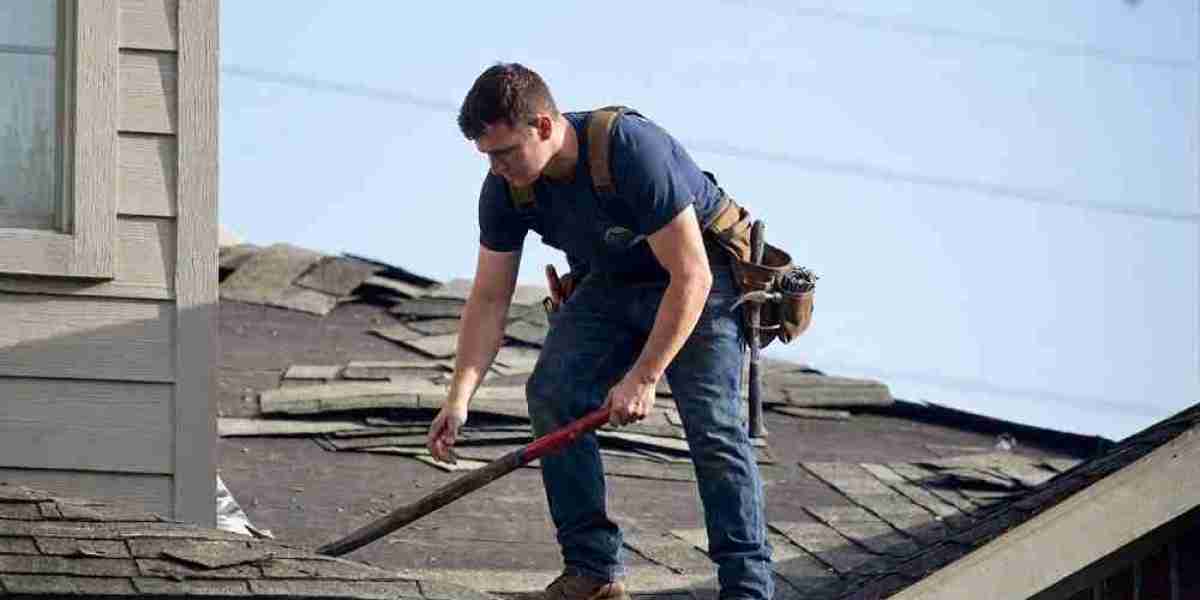
When a roof is replaced, the existing roofing materials may need to be removed before the new system is installed.
This step allows the roofing team to inspect the surface underneath and identify areas that may need attention.
Hidden Conditions Can Appear
Old roofing materials can sometimes cover damaged decking or other issues.
If damaged decking is found, that section may need work before new roofing materials can be installed properly.
Does Roof Ventilation Matter During a New Roof Project?
Ventilation should be part of the overall roofing discussion. Poor attic airflow can contribute to heat and moisture concerns.
A new roof is a useful time for homeowners to ask whether the existing ventilation system is suitable for the property.
Airflow Works With the Roof
Intake and exhaust vents need to work together. The exact setup depends on the roof design and attic structure.
A roofing professional can assess the existing system and explain if changes are needed.
What Should Homeowners Know About Roof Flashing?
Flashing is used around areas such as chimneys, walls, vents, skylights, and roof transitions.
When a roof is replaced, these areas deserve attention because old flashing may not be suitable for the new roofing system.
Small Details Matter
A new roof is more than a fresh outer surface. Components around roof openings and transitions need proper installation so water can move away from vulnerable areas.
How Should You Prepare the Property?
Roofing work can create noise, movement, and falling debris. Preparing the property before work starts can make the process more comfortable.
Homeowners may need to move outdoor items, protect belongings in the attic, and keep children and pets away from active work areas.
Keep Access Clear
The roofing crew may need clear access around the property for materials, equipment, and debris removal.
A little preparation can help the work area remain organized throughout the project.
How Can Local Roofers Help With Planning?
Homeowners who need help assessing their roofing needs can speak with roofers in Wilmington NC about the roof's current condition, material options, project scope, and expected work.
A clear discussion before construction starts can help homeowners understand the process and prepare for possible issues.
What Should You Check Before a New Roof Project Begins?
Once the roofing plan is clear, there are several practical details worth reviewing before work starts. A new roof project can affect the home, schedule, budget, and daily routine, so having clear information early can make the process easier.
The goal is to know what work is planned, what materials will be used, and what the homeowner can expect during construction.
Do You Need a Roofing Permit?
Some roofing projects may require a permit, depending on local building rules and the type of work being done.
Permit requirements can vary between cities and counties. A roofing professional can explain which local requirements apply and whether permits are part of the project planning.
Local Rules Matter
Homeowners should not assume that the same requirements apply everywhere. Local regulations may differ based on the property location and scope of work.
Handling this question before construction starts can help prevent scheduling problems later.
What Should Be Included in the Roofing Contract?
A written contract should clearly describe the planned work. Homeowners should review the document carefully before signing.
Important details can include:
- Roofing material
- Project cost
- Work scope
- Payment terms
- Estimated schedule
- Cleanup
- Warranty details
Read the Details Carefully
A clear contract can help both sides understand what was agreed upon. If something is unclear, it is better to ask about it before work begins rather than after materials have been installed.
Should You Ask About Roofing Warranties?
A new roof may come with different warranty terms depending on the materials, manufacturer, and roofing contractor.
Homeowners should understand what each warranty covers and how long the coverage lasts.
Know the Limits
A warranty does not necessarily cover every roofing issue. Certain conditions, maintenance problems, or installation concerns may have specific requirements.
Reading the warranty information can help homeowners understand their responsibilities after the project is complete.
Can Insurance Affect a New Roof Project?
Insurance may play a role when the roof replacement is connected with covered storm damage or another eligible event.
The process can vary depending on the insurance company, policy, and type of damage.
Keep Project Records
Photos, inspection reports, estimates, invoices, and other project documents can be useful when insurance is part of the roofing process.
Homeowners should keep copies of important paperwork throughout the project.
When Is a Good Time to Start a New Roof Project?
Weather plays a major role in roofing schedules. Dry conditions are generally more suitable for outdoor roofing work, while rain and strong winds can cause delays.
Seasonal weather patterns can also affect scheduling.
Leave Room for Delays
Even with careful planning, weather or unexpected roof conditions can change the schedule.
A flexible timeline can make the project less stressful when adjustments become necessary.
What Should You Ask the Roofing Contractor?
Before work starts, homeowners should feel comfortable asking questions about the project.
Useful questions include:
- What materials are planned?
- How long may the work take?
- What happens if damaged decking is found?
- Is cleanup included?
- What warranty applies?
- How will unexpected costs be handled?
- Who should be contacted with project questions?
Clear answers can help homeowners understand what they are agreeing to.
How Should You Prepare for Roofing Work?
A roofing project can create noise, dust, debris, and temporary changes around the property.
Before work begins, homeowners can prepare outdoor areas and keep valuable or fragile items away from locations where vibration may affect them.
Keep Children and Pets Away
Active roofing areas can contain tools, materials, and debris. Children and pets should remain away from the work zone while construction is underway.
Homeowners should also follow any access instructions given by the roofing crew.
What Happens After the New Roof Is Installed?
The project does not end as soon as the last roofing material is installed. A final review can help confirm that the planned work has been completed.
The roofing area should be checked for leftover materials, debris, visible installation concerns, and drainage issues.
Keep Your Roofing Records
Store the contract, warranty information, receipts, inspection documents, and project photographs in a safe place.
These records can be useful later if maintenance, repairs, insurance questions, or warranty matters arise.
Why Is Preparation Important for a New Roof Project?
A new roof project is easier to manage when homeowners understand the roof's current condition, material choice, expected costs, schedule, contract terms, and warranty details before construction begins.
Good preparation does not mean every project will follow the exact same path. Unexpected conditions can appear once old roofing materials are removed. The important part is having a clear plan and knowing how those situations will be handled.
Modern Roofing USA Reviews can also be another reference for homeowners researching roofing experiences and gathering information before choosing a roofing professional.
A new roof is a major project, but careful planning can make the process much clearer. Reviewing the roof condition, asking questions, checking the written agreement, understanding warranty terms, preparing the property, and keeping project records can help homeowners stay informed throughout the work. Once these details are clear, the project can move ahead with fewer surprises and a better understanding of what the finished roofing system should include.
Visit for news and updates at whaup.net